






































































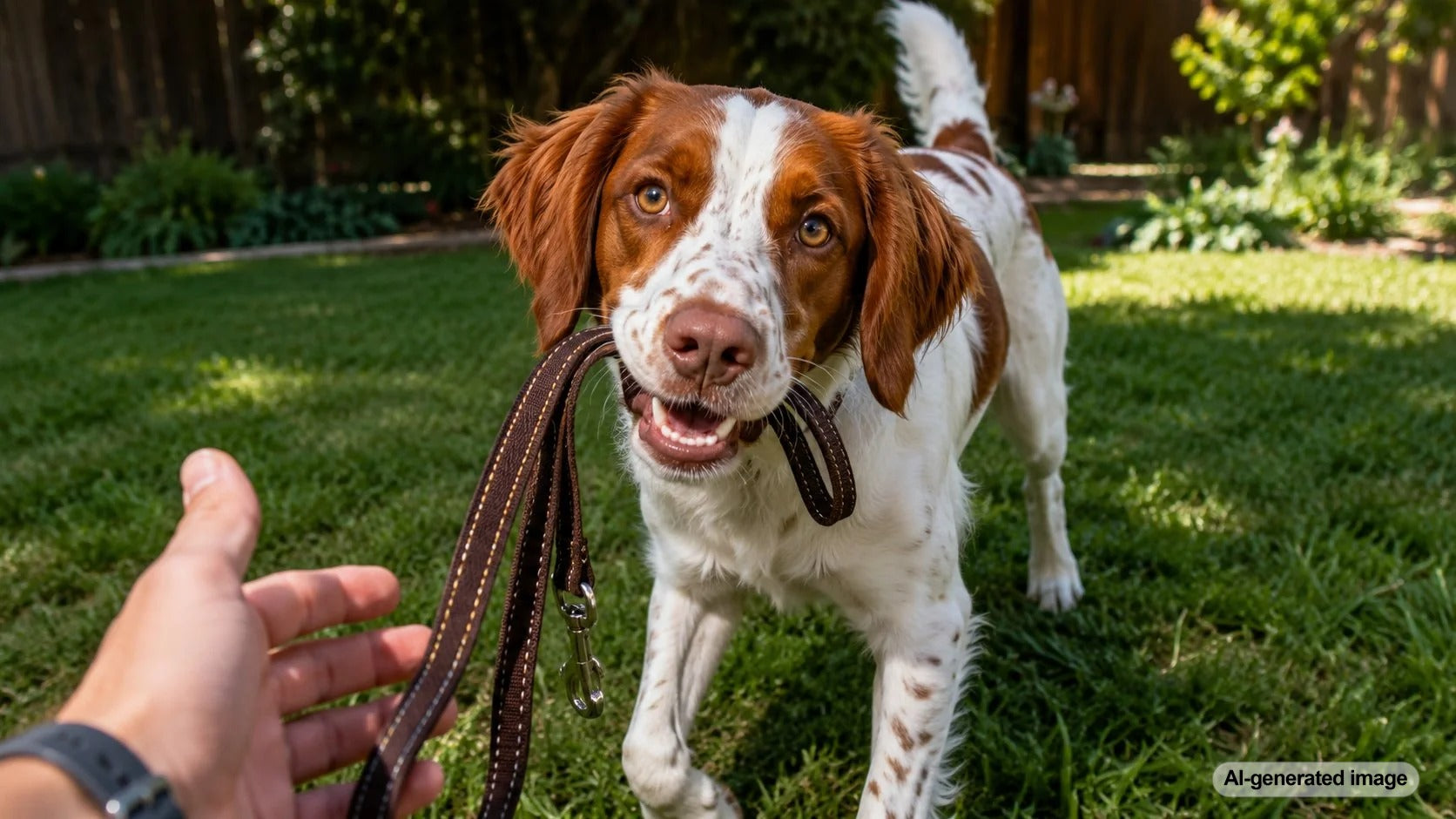
You have barely unclipped the leash when your dog turns around, stares at the door, and makes it perfectly clear that the walk was not enough. Maybe they paw at you, whine, pace, or bring the leash over for an encore. Before automatically heading outside again, pause long enough to figure out whether your dog needs another bathroom break, more exercise, mental stimulation, or simply help settling after an exciting outing.
A second walk is not necessarily a bad idea. However, repeatedly responding to demanding behavior with another trip outside can accidentally teach your dog that persistence controls the schedule. The goal is to meet genuine needs while helping your dog develop a predictable rhythm of activity, enrichment, and rest.
Quick answer: First, consider whether your dog may genuinely need to relieve themselves again. If that seems unlikely, offer water, allow a brief cool-down, and redirect them to a calming activity such as sniffing for hidden kibble, licking, chewing, or a short training game. Take another walk when it fits their physical needs and your routine, not simply because they are demanding one.
Start by Asking What Your Dog Is Requesting
Dogs cannot say, "I did not finish going to the bathroom," or, "That fast walk around the block did not satisfy my need to sniff." They use behavior instead. Standing beside the door can mean several different things, so look at the full picture rather than the leash alone.
A dog that circles, sniffs the floor, looks urgently toward the exit, or recently drank a large amount of water may need another bathroom opportunity. A dog that bows, bounces, grabs toys, and races around the room may still have physical energy. A dog that paces, nudges you, or cannot settle may be seeking stimulation or attention rather than mileage.
The context matters too. Puppies have smaller bladders and may need frequent trips. Senior dogs may also require more bathroom opportunities, even when they cannot comfortably handle another long walk. A sudden change in an adult dog's bathroom habits, urgency, restlessness, appetite, mobility, or behavior deserves a call to your veterinarian.
Consider the Quality of the First Walk
A walk can be physically tiring without being mentally satisfying. If you hurried your dog past every tree, kept them in a strict heel, or followed the same short route at the same pace, they may come home with energy still looking for an outlet.
Dogs gather information through scent. A relaxed sniff walk, even when it covers less distance, can provide a different kind of fulfillment than a brisk exercise walk. Try building several sniff breaks into your regular outing. You can also vary the route, practice simple cues near mild distractions, or scatter a few tiny treats in grass for a supervised "find it" game.
Weather can reduce the value of a walk as well. A heat-sensitive dog may come home early without receiving much activity, while a dog rushed through heavy rain may still want engagement indoors. Adjust the rest of the routine instead of assuming every unmet need requires another full trip outside.
Use a Calm Transition After the Walk
Some dogs remain activated after coming indoors. The sights, scents, squirrels, dogs, and people outside may have left their nervous system in high gear. They need a clear transition from adventure to rest.
Create a repeatable post-walk sequence. Remove the leash, offer fresh water, check paws when needed, and guide your dog to a quiet activity. You might use The Pupsicle for longer-lasting licking and treat enrichment while your dog settles. A supervised chew, a small scatter of kibble, or several minutes on a bed with a reward for calm behavior can also work.
Keep the sequence low-key. Excited talking, wrestling, or tossing a ball immediately after every walk may convince your dog that coming home begins the next round of action.
Offer a Different Kind of Activity
Physical exercise is only one part of a satisfying day. When another walk is inconvenient or unnecessary, try meeting the underlying need in another way.
A five-minute training session can be surprisingly productive. Practice touch, place, down, wait, or a few easy tricks using tiny rewards. Hide kibble around one dog-safe room and encourage your dog to search. Let them work through a food puzzle, enjoy supervised chewing, or lick a prepared mat.
For a quieter option, the FlipMat can turn part of a meal or a dog-safe spread into a slower enrichment activity. Choose portions that fit your dog's normal daily food intake, and supervise any toy or feeding tool according to your dog's chewing style.
Helpful tip: Save a portion of your dog's regular meal for post-walk enrichment. This provides an activity without automatically adding extra calories every time your dog asks for more entertainment.
Avoid Rewarding the Demand Itself
If every whine, bark, or leash delivery immediately produces another walk, that behavior can become more persistent. This does not mean ignoring a dog who may need the bathroom. It means separating genuine needs from a learned attention-seeking routine.
When you are confident your dog's needs have been met, wait for a brief moment of calm before offering attention or enrichment. You might reward four paws on the floor, a quiet sit, or resting on a bed. Over time, your dog can learn that calm behavior starts activities more reliably than demanding behavior.
A predictable schedule also helps. Dogs often settle more easily when walks, meals, play, and rest happen within familiar windows. The schedule does not need to be exact to the minute, but it should be consistent enough that your dog is not constantly negotiating for the next event.
Know When a Second Walk Makes Sense
Sometimes the simplest answer is that your dog would benefit from another outing. Young adult dogs, working breeds, and highly active individuals may need more movement than one short walk provides. Splitting exercise into two or three manageable outings can be easier on both dog and owner than trying to accomplish everything at once.
Keep the second outing appropriate for the dog in front of you. Puppies should not be pushed through excessive repetitive exercise. Senior dogs and dogs with mobility limitations may prefer several short, gentle walks. Flat-faced breeds, thick-coated dogs, and dogs exercising in warm or humid weather may need shorter outings, shade, water, and careful monitoring.
Watch for lagging behind, heavy or unusual panting, reluctance to continue, limping, weakness, or repeatedly stopping. End the activity and contact your veterinarian if you are concerned.
When the Behavior Deserves Extra Attention
Contact your veterinarian if the sudden demand to go outside comes with frequent urination, straining, accidents, diarrhea, vomiting, excessive thirst, pain, swelling, limping, appetite changes, unusual panting, or a major behavior change. A trainer or qualified behavior professional can help when persistent pacing, barking, or inability to settle continues after medical concerns have been ruled out.
Dog Parent FAQs
Should I ignore my dog when they ask for another walk?
Do not automatically ignore them. First consider bathroom urgency, discomfort, age, weather, and how much activity they received. When their needs are met, wait for calm behavior before starting the next activity.
Can mental enrichment replace a walk?
Enrichment can complement exercise and occasionally provide a practical alternative during bad weather, but most dogs still benefit from regular outdoor movement, sniffing, and exploration.
Why is my dog energetic after a long walk?
The walk may have been exciting rather than calming, or your dog may still need mental engagement. Try a slower cool-down, a few sniff breaks, water, and a quiet licking or chewing activity.
How long should I wait before deciding on another walk?
Give your dog a brief chance to drink, cool down, and transition indoors. If they still show clear bathroom signals, take them out. Otherwise, redirect them to a calm activity and observe how they respond.
The Bottom Line
When your dog demands a second walk immediately, treat the behavior as information rather than an order. Check for genuine bathroom or health needs, consider whether the first walk provided enough movement and sniffing, and offer an appropriate indoor activity when more mileage is not necessary. A balanced routine teaches your dog that good things still happen after the leash comes off, including enrichment, connection, and much-needed rest.


