






































































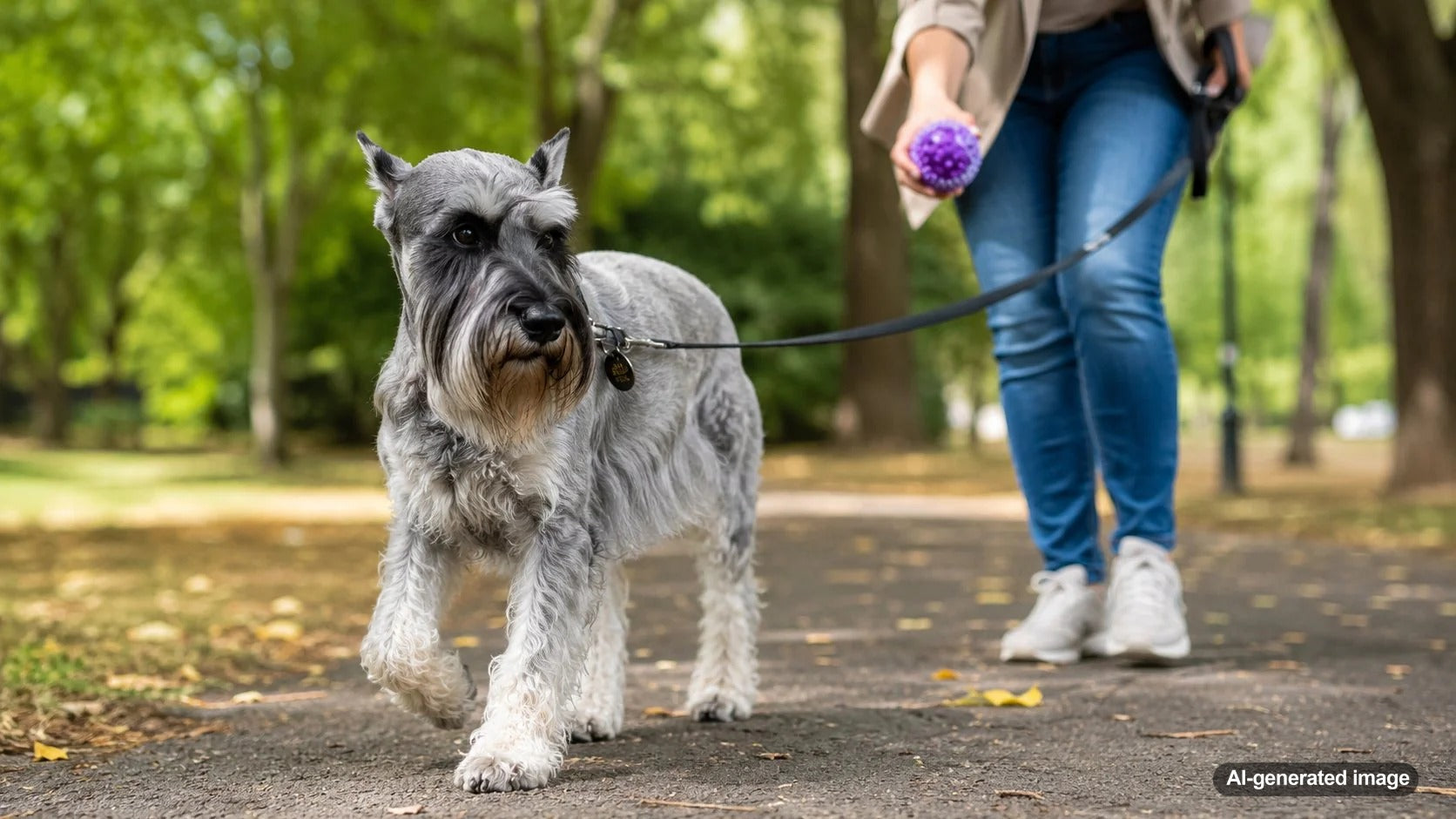
Your dog looks bored, follows you from room to room, sighs dramatically, and stares at you like you personally canceled fun forever. Then you offer a basket full of toys, and somehow every single one is ignored. When that happens, the problem is not always that your dog needs more toys. More often, your dog needs the right kind of engagement, a little guidance, and a routine that makes play feel worth starting.
Dogs do not all play the same way. Some love fetch, some want to sniff, some prefer chewing, some need food motivation, and some will only engage when you are part of the game. A dog who ignores toys may still be craving enrichment, but the toy may not be matching the job your dog needs it to do.
Quick answer: what should you do first?
If your dog acts bored but ignores every toy, change the experience before buying another random toy. Try food-based enrichment, short training games, sniffing opportunities, toy rotation, and supervised chew or lick routines. If the change is sudden, or your dog also seems tired, painful, anxious, nauseous, or uninterested in food, check with your veterinarian.
Why a bored dog may ignore toys
A toy sitting on the floor is not always enrichment. For many dogs, especially adult dogs who have seen the same toys for months, a toy becomes part of the furniture. It no longer smells new, moves differently, or leads to a reward.
Some dogs also never learned that toys are fun. Rescue dogs, puppies who were not shown how to play, seniors with changing energy, and dogs who prefer human interaction may need you to make the first few steps obvious. Instead of tossing a toy and waiting, try making it wiggle, hiding a treat near it, or rewarding one tiny interaction.
There may also be a comfort issue. Dental pain, sore joints, vision changes, stomach upset, stress, or a bad previous experience with a toy can make a dog less interested. If your dog used to love toys and suddenly does not, treat that as information, not stubbornness.
Match the enrichment to your dog's real motivation
Instead of asking, "Why won't my dog play?" ask, "What kind of activity does my dog naturally choose?" Watch what your dog does when no toy is involved. Does your dog sniff the floor, shred paper, chew chair legs, follow you, steal socks, lick blankets, bark out the window, or beg during food prep?
| If your dog tends to... | Try this type of enrichment |
|---|---|
| Sniff every corner on walks | Scatter feeding, treat searches, and hide-and-seek rewards |
| Chew furniture, shoes, or sticks | Supervised chew sessions with appropriately sized durable chews |
| Lick blankets, paws, or bowls | Lick mats, frozen spreads, and calming lick routines |
| Get excited by food but not toys | Treat-dispensing toys, puzzle feeders, and short training games |
| Want you involved constantly | Two-minute tug, chase me games, cue training, and name game rewards |
Make the toy come alive
Many dogs ignore toys because the toy is too passive. A ball on the floor is just an object. A ball that rolls away, hides a treat, or starts a game with you becomes an event. Try using a toy for 30 seconds, then stop while your dog is still interested. Short, energetic sessions can build value faster than leaving toys available all day.
For picky toy dogs, start small. Put one treat beside the toy. Praise your dog for sniffing it. Then place a treat partly under it. Then move the toy an inch. You are teaching the dog that interacting with the object makes something good happen.
Helpful tip: rotate toys in small groups. Keep most toys put away, then bring out two or three for a few days at a time. Novelty can make an old toy feel more interesting without buying a mountain of new stuff.
Use food-based enrichment when regular toys fail
Food changes the game for many dogs because it gives them a clear reason to work. Licking, chewing, sniffing, and problem-solving are natural dog behaviors, and food-based enrichment turns those instincts into a calmer, more focused activity.
For a dog who acts restless but ignores plush toys or ropes, The Pupsicle can be a useful tool because it turns treat time into longer-lasting interactive play. Instead of expecting your dog to invent a game alone, it gives your dog a clear task: lick, nudge, investigate, and work for the treat inside.
If your dog is more of a licker than a chewer, the FlipMat offers a different kind of enrichment with licking and slow feeding textures. That can be especially helpful for dogs who need a settling activity after a walk, during a busy work call, or before bedtime.
Build a boredom reset routine
When your dog seems bored, do not start with the longest or hardest activity. Start with a simple three-part reset that covers the brain, body, and nose. Many dogs settle better when they get a little movement, a little sniffing, and one calm activity instead of ten random toys tossed on the floor.
Try this 15-minute boredom reset:
- Five minutes of movement: a short walk, hallway recall, gentle tug, or a few easy tricks.
- Five minutes of sniffing: scatter a few treats in a towel, cardboard box, or safe room.
- Five minutes of calm enrichment: a lick mat, chew, treat puzzle, or frozen treat toy.
Repeatable routines matter. A dog who gets one big enrichment marathon on Sunday and nothing on Tuesday may still act bored. A short daily habit is often easier for the dog to understand and easier for you to maintain.
Common mistakes that make toys less interesting
One common mistake is giving a dog too many choices at once. A crowded toy bin can feel like background noise. Another is choosing toys based on what looks cute to humans instead of what fits the dog's size, chewing style, and motivation.
It is also easy to accidentally make toys lonely. If the only fun part of your dog's day is interacting with you, then a silent toy on the floor cannot compete. Play with the toy together first, then let your dog continue independently once the toy has value.
For power chewers, always choose size-appropriate options and supervise. For puppies, keep sessions short and positive. For seniors, choose lower-impact enrichment and watch for signs of stiffness, dental discomfort, or fatigue.
When to ask for help
A bored-looking dog who ignores toys may simply need a better routine, but behavior changes can also signal something else. Contact your veterinarian if your dog suddenly loses interest in toys, food, walks, or people, or if you notice limping, drooling, vomiting, diarrhea, bad breath, paw licking, swelling, hiding, or unusual aggression.
If your dog is destructive, panicky when left alone, or unable to settle even with appropriate activity, a qualified trainer or behavior professional can help you build a plan. Boredom, stress, anxiety, and unmet exercise needs can look similar from the outside.
Dog Parent FAQs
Is my dog bored if they ignore toys?
Possibly, but not always. Your dog may be bored, tired, stressed, uncomfortable, or simply uninterested in that style of toy. Look at the whole pattern, including appetite, energy, sleep, walks, and behavior changes.
How do I get my dog interested in toys again?
Rotate toys, add treats, play together for short sessions, and choose toys that match your dog's natural habits. Food puzzles, lick mats, chew sessions, and sniffing games often work better than passive toys.
Should I leave toys out all day?
A few safe toys may be fine, but leaving every toy out can make them less exciting. Rotating toys and saving high-value enrichment for specific times can make play feel more special.
What if my dog only wants treats, not toys?
Use that motivation. Treat-dispensing toys, training rewards, slow feeders, and lick-based enrichment can bridge the gap between food and play while giving your dog a job to do.
The bottom line on bored dogs and ignored toys
When your dog acts bored but ignores every toy, do not assume your dog is being difficult. They may be asking for a different kind of enrichment: more scent work, more food motivation, more chewing, more licking, or more participation from you. Start with one simple routine, watch what your dog naturally enjoys, and build from there.


