






































































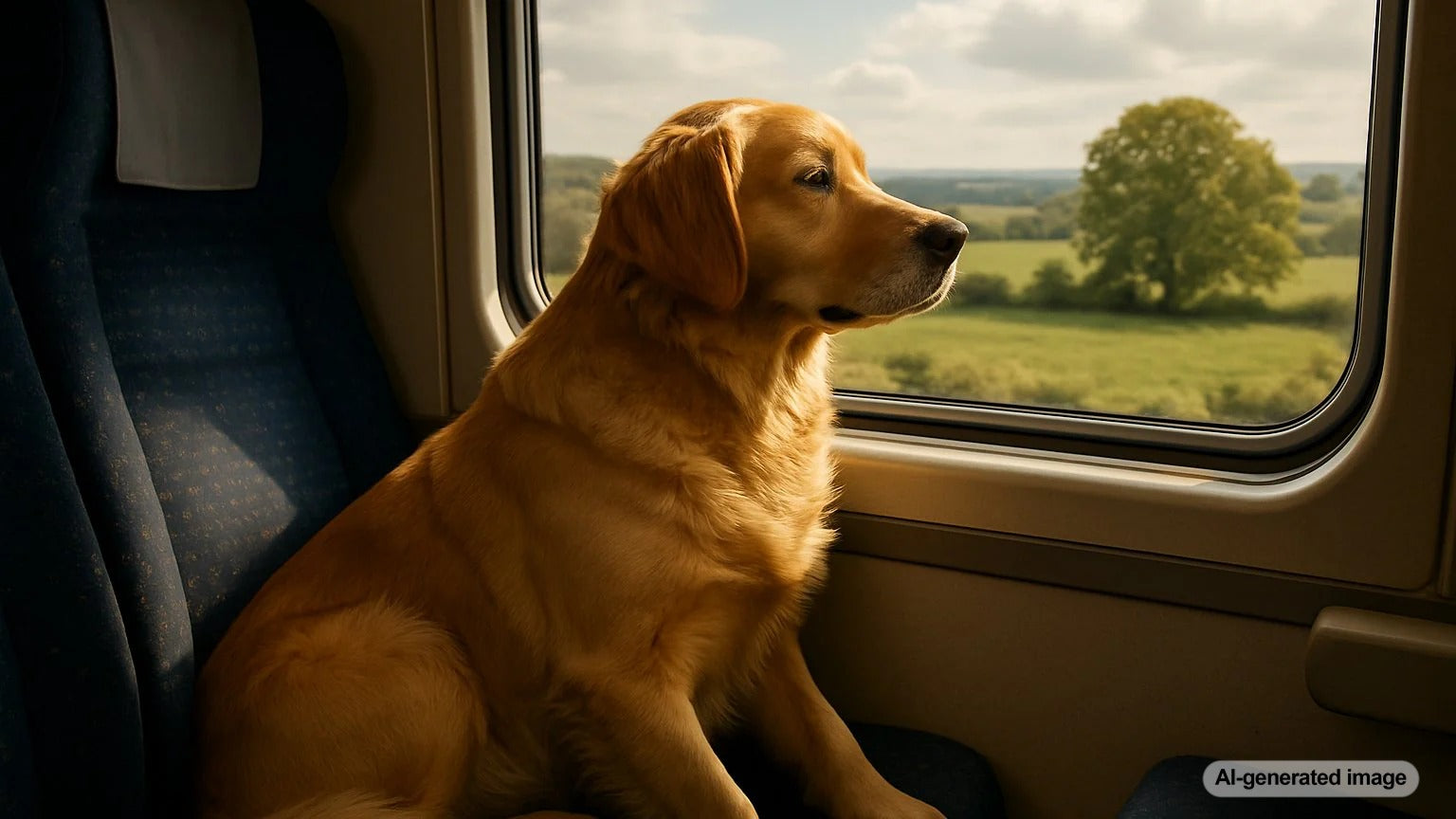
Picture your loyal companion curled by your side as the landscape unfurls beyond the window — the rumble of the tracks, the gentle click of wheels on rail. That idyllic image is entirely possible when you consider the idea of taking your dog on a cross-country train trip. But before you pack treats and leash, it’s wise to examine the question: the legality and ethics of taking your dog on a cross-country train trip.
Let’s dive into what rules you’ll face, what your dog really experiences, and how to make the journey both legal and ethical when you travel with your furry friend.
Legal considerations: rules, regulations and what you must check
First off, in the United States the dominant long-distance rail provider, Amtrak, does permit pets on some routes — but the rules are narrow. Dogs (and cats) must typically travel in a carrier under your seat, weigh no more than about 20 pounds including the carrier, and the entire trip must be less than around seven hours of travel time. Certain trains and routes exclude pets outright (including sleeper cars or connecting bus/“Thruway” services). Additionally, you’ll often need to sign a pet-release agreement and attest that your dog is vaccinated, well-behaved, odorless, and non-disruptive.
What this means is that taking a dog on a true cross-country train trip (often well beyond seven hours) runs straight into legal limits. Unless your route is specifically pet-allowed and segmented into legally acceptable portions, you could face denial of boarding or forced separation.
Ethical reflections: what’s fair to your dog and to other passengers?
Even if the legal boxes are checked, there’s a deeper question: is it ethical? Your dog deserves comfort, calm, and dignity. A long train ride means time confined to a carrier or seat-footspace, limited opportunities for relief breaks, changing climates and unfamiliar stations. While it can be a bonding adventure, it can also be a stressor for a canine companion if you haven’t prepared.
Moreover, other passengers share the space. Ethical dog travel means you accept responsibility — your dog should be trained to handle the environment, remain quiet, not disrupt dining or passage, and relieve themselves before boarding. Respecting fellow travelers is part of the equation.
When the trip makes sense — and how to prepare
There are scenarios where train travel with a dog is quite manageable: shorter regional stretches, pet-friendly routes under legal limits, or journeys broken into manageable legs. If you aim for such a trip, preparation is key. Start by choosing a sturdy travel carrier or crate your dog is comfortable in. Get them used to it in the weeks ahead. Choose off-peak travel moments, bring fresh water, toys, familiar blankets, and give your dog a brisk walk before boarding so they are settled.
Consider also the benefits that enrich your dog’s journey. While traveling, puzzle toys or slow-feeding enrichment (think of the Woof Walkabout rolling slow-feeder or the Flyball puzzle treat ball) can turn downtime into engagement and comfort. These handy pieces of gear aren’t just ‘nice to have’ — they can help alleviate the monotony of a long ride, keep your dog mentally sharp, and anchor them to home-like routines even while moving across states.
Alternative strategies if full cross-country isn’t feasible
If you discover the legal and ethical constraints make a true cross-country train trip with your dog impractical, consider alternatives: plan shorter rail hops combined with car segments, break the trip into dog-friendly layovers, or opt for pet-friendly accommodations and trains piece-by-piece. You might also treat the journey as an expedition in stages rather than a non-stop ride.
Another smart strategy is to equip your dog with interactive toys designed for travel. For example, the Woof Fly n’ Feed disc - plus-lick-mat gives your dog something to focus on while you settle into your seat, and the Woof Puzzle Treats reward them with slow-release tasty moments when the world around is shifting and unfamiliar.
Final thoughts: adventure can be kind, safe and legal
So when you ask the question — the legality and ethics of taking your dog on a cross-country train trip — the answer isn’t simply yes or no. Legally, it’s constrained: size, carrier, route-length and operator all matter. Ethically, it invites you to ask whether your dog is truly comfortable and whether the experience respects both them and your fellow passengers. With thoughtful preparation, shorter segments, and the right enrichment gear — like some of the Woof travel-optimized products — you can make rail travel with your dog not just possible, but pleasant, safe and memorable.
If you do decide to embark on that long train ride, give your dog the best by planning ahead, respecting the rules, and investing in toys and feeders that make the journey interactive and stress-free. Because when you roll across states with your loyal companion beside you, it’s not just travel — it’s a shared story waiting to be told.


