





















Some dogs chase squirrels. Some dogs herd sheep. And some truly extraordinary pups help protect fragile ecosystems with nothing more than their noses, focus, and unstoppable drive to work. All Products from Woof are built around the same truth conservation teams already know: when a dog has a job to do, amazing things happen. Whether a pup is sniffing out invasive species, helping researchers locate animal scat for monitoring, or covering rough terrain faster than human teams ever could, these dogs show just how powerful a dog's natural talents can be when they are guided with care, training, and purpose.
That is what makes conservation dogs so fascinating. They are not just smart. They are focused, athletic, eager, and deeply motivated by a challenge. In many cases, they help researchers find things people would otherwise miss, from tiny traces of wildlife to hard-to-spot environmental threats. It is real work with real impact, and it is one more reminder that dogs are not just our companions. They are incredible teammates.
What exactly do conservation dogs do?
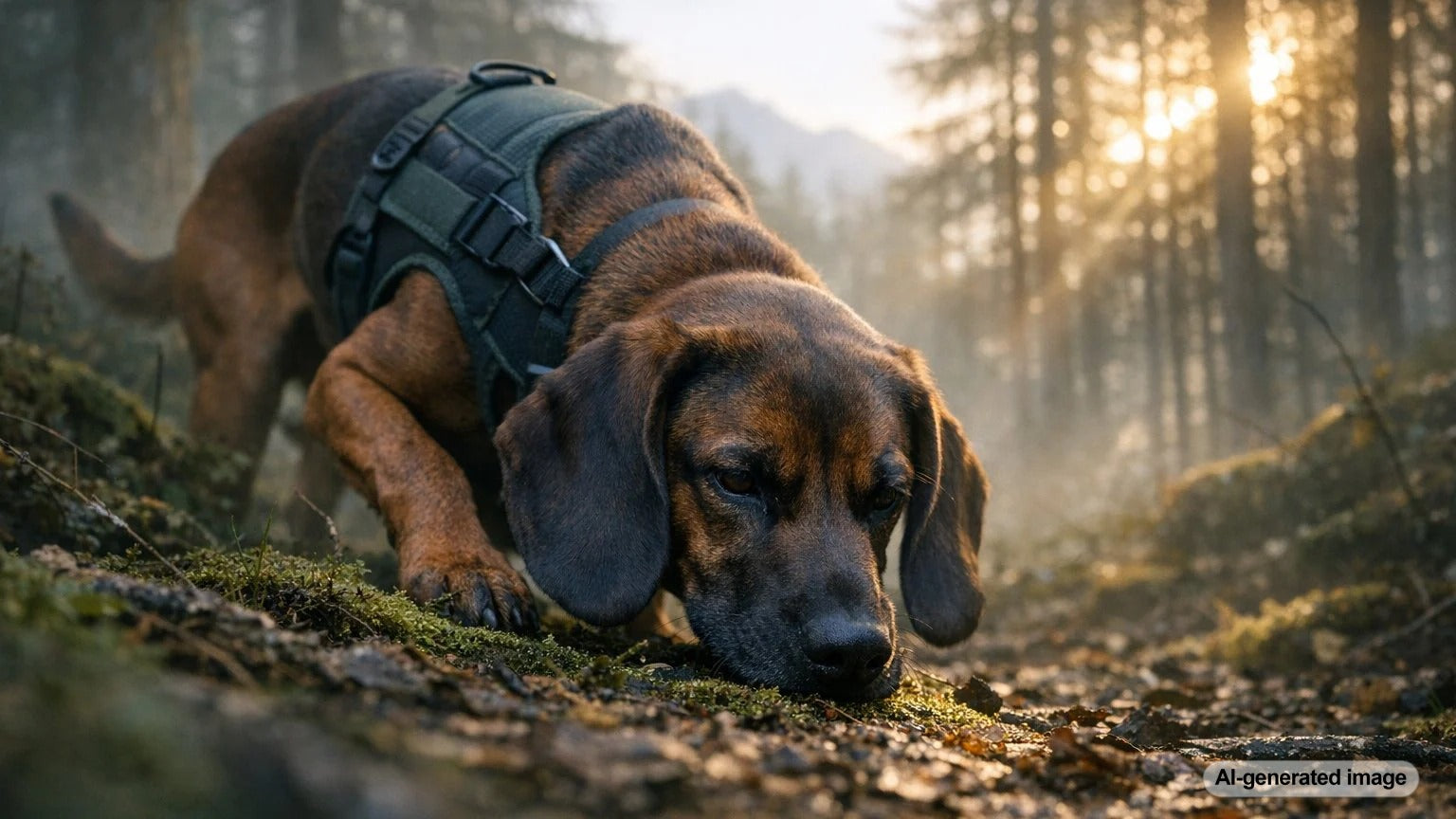
Conservation dogs are trained to detect specific scents in the environment and alert their handlers when they find them. That target scent could be linked to wildlife, plants, insects, or even environmental hazards. Some dogs help locate evidence left behind by elusive animals, which gives researchers a noninvasive way to study populations. Others assist in detecting invasive species before those threats spread further. Their work supports field teams trying to gather better information, move faster, and protect vulnerable habitats with more precision.
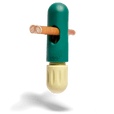
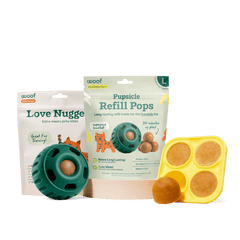
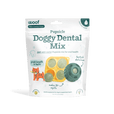
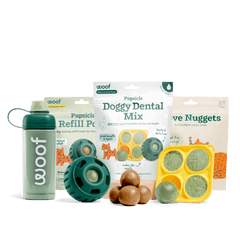
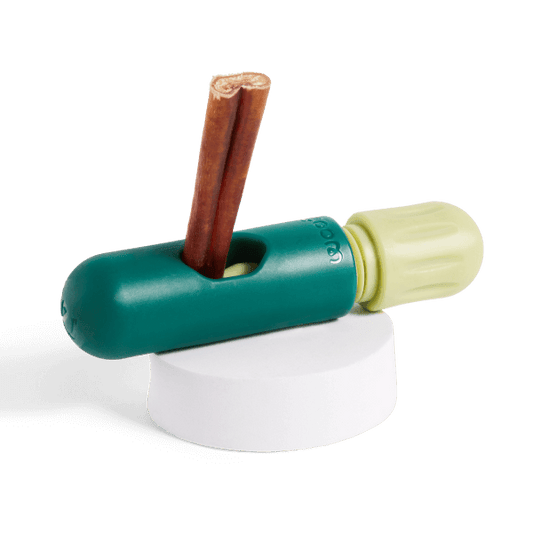
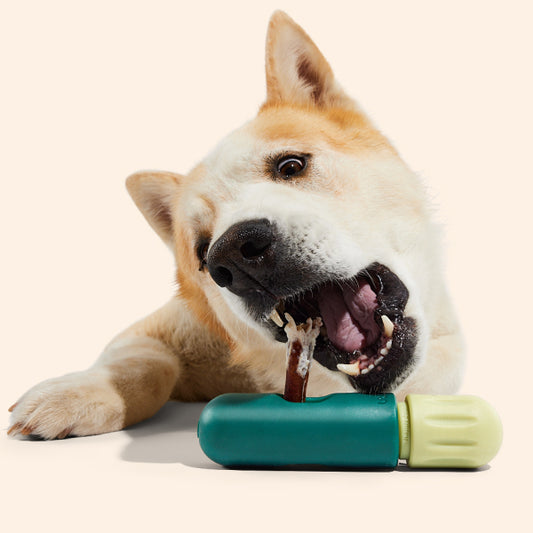
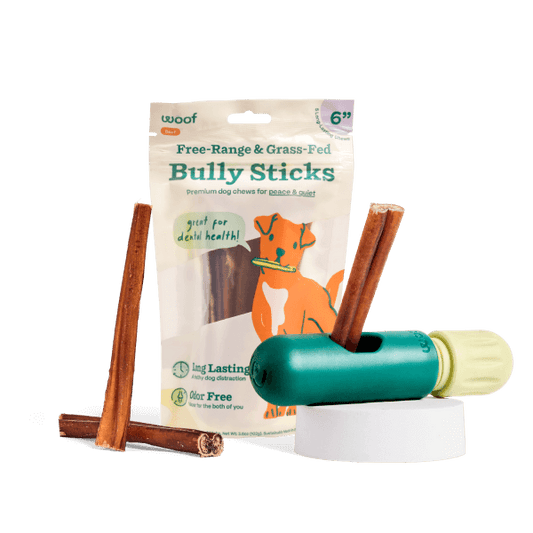
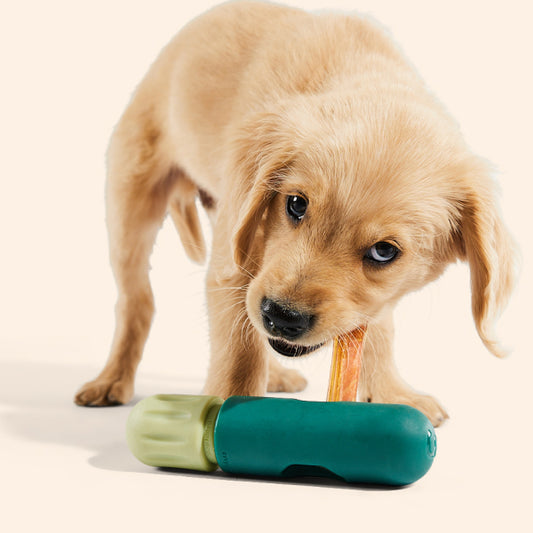
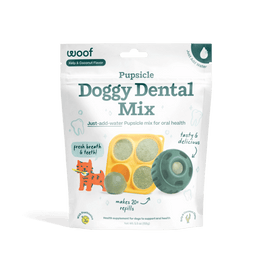
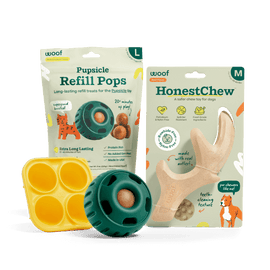
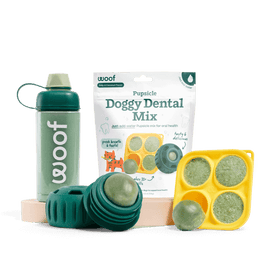
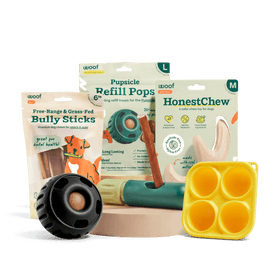
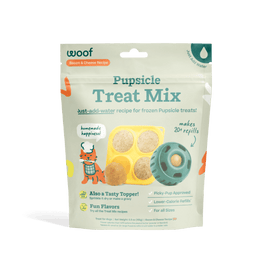
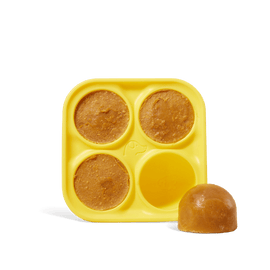
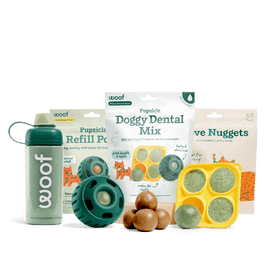
It is easy to imagine this kind of work as dramatic, and honestly, it often is. These dogs may search forests, grasslands, coastlines, trails, or remote field sites. They are solving scent puzzles in changing conditions while staying locked in with their handler. It is mentally demanding and physically impressive, which is why working dogs thrive when they also have satisfying outlets at home. For everyday pups who love to stay busy, something like The Pupsicle can turn downtime into a rewarding challenge, helping channel that same natural problem-solving energy into safe, enriching fun.
Why dogs are so good at this job
A dog's nose is the superstar here, but scent ability is only part of the story. Great conservation dogs also need stamina, confidence, handler engagement, and a love of the hunt. They need to stay motivated over long stretches and work through distractions like wind, wildlife smells, uneven ground, and changing weather. In other words, this is not passive sniffing. It is purposeful detection work.
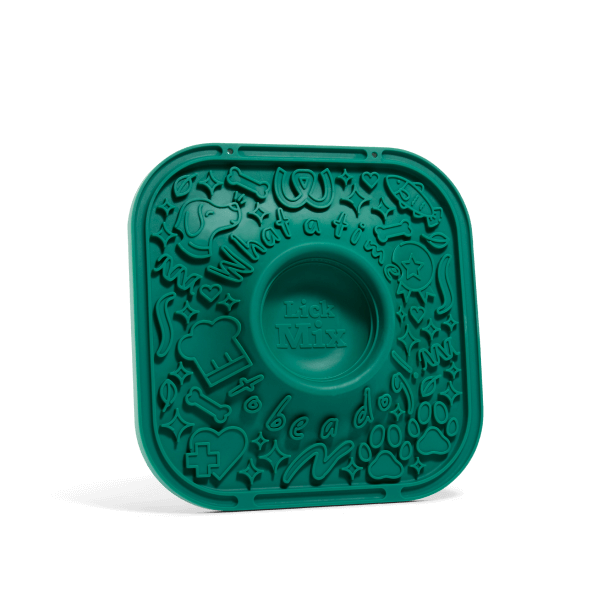
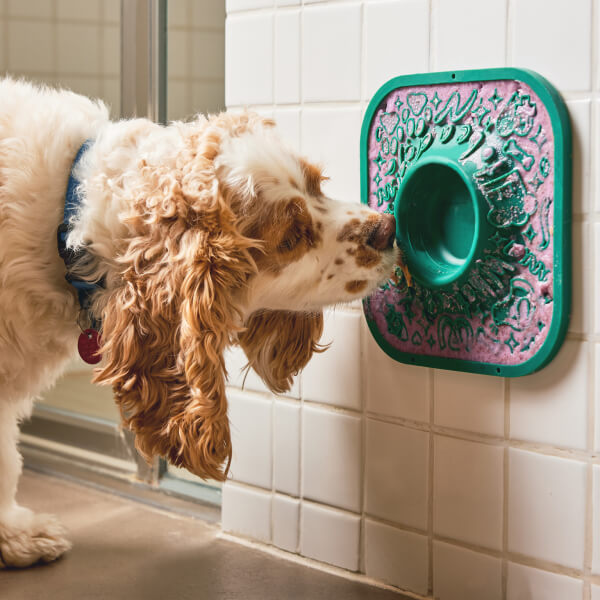
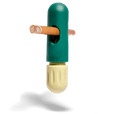
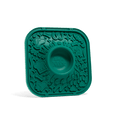
That kind of determination is exactly why enrichment matters so much for pet dogs too. A dog who gets regular opportunities to lick, chew, sniff, and solve problems is often more settled, more content, and easier to live with. Licking in particular can be wonderfully grounding, especially for dogs who need a calm moment after excitement. Tools like FlipMat and Calming Support LickWells make it easy to create a soothing routine that taps into your dog's natural need to engage both brain and body.
The hidden heroism behind the work
One of the most beautiful things about conservation dogs is that so much of their work happens behind the scenes. They are not chasing headlines. They are helping scientists, land managers, and conservation teams collect better information so smarter decisions can be made. A well-timed find can help shape habitat management, identify a problem earlier, or reveal that a species is still present in an area where it is rarely seen.
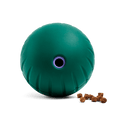
And while the work is serious, the dog's experience often looks like pure joy. Search, alert, reward, repeat. For many working dogs, the task itself is the reward. They get to move, think, explore, and succeed. That is a powerful lesson for pet parents: dogs do not just want affection and a full bowl. They want purpose. Even simple daily routines can feel purposeful when they include interactive feeding, enrichment games, and rewarding challenges. The On the Go Travel Kit is a great example of how to bring that kind of structure anywhere, from road trips to waiting rooms to outdoor adventures.
What pet parents can learn from conservation dogs
You do not need a field assignment or a research team to borrow inspiration from these incredible canines. The biggest takeaway is simple: dogs flourish when they get to use their instincts. Sniffing, licking, chewing, foraging, and working for rewards are not random habits. They are deeply satisfying behaviors that help dogs feel more balanced and fulfilled.
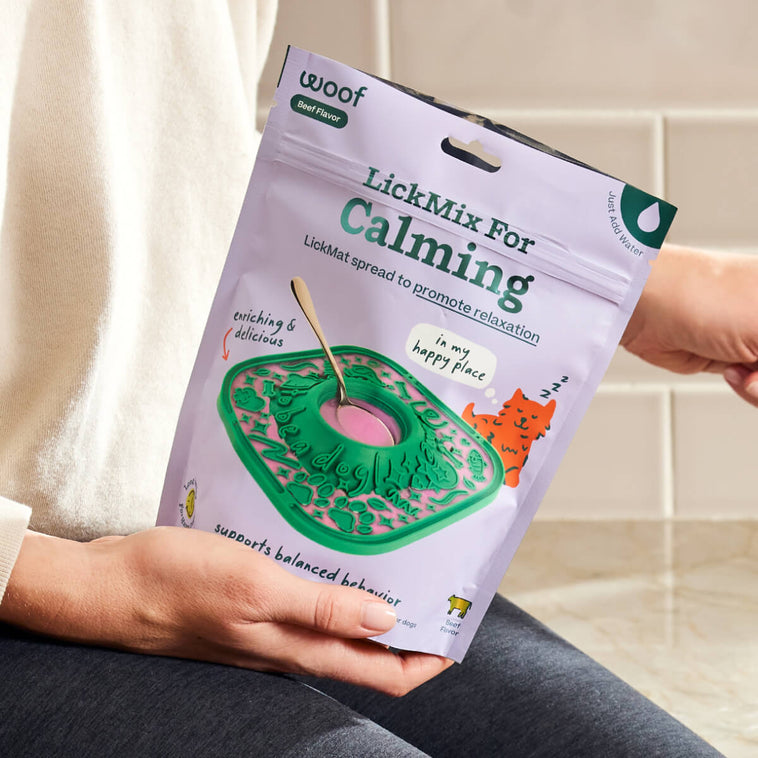
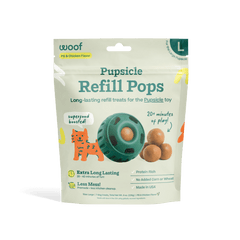
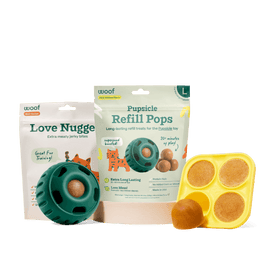
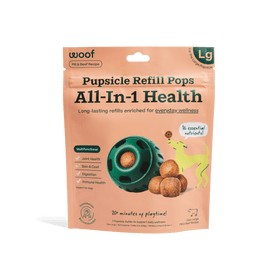
That is why enrichment is not just a trend. It is a practical way to support emotional wellness and prevent boredom before it turns into chaos. A pup who has appropriate outlets is less likely to invent their own entertainment out of your couch cushions, shoes, or table legs. For dogs who crave mental engagement, a combo like The LickMat with Calming LickMix can create an easy daily reset. For dogs who love a longer-lasting project, The Pupsicle Starter Pack offers a simple way to keep them busy, focused, and happily occupied.
Celebrating the dogs that make a difference
The dogs that work in conservation remind us that canine brilliance comes in many forms. Some dogs guard. Some retrieve. Some cuddle like professionals. And some help protect wildlife and wild spaces by following a scent trail humans could never detect on their own. Their work is a moving example of what happens when instinct meets opportunity.
At Woof, we love that spirit. We believe every dog deserves healthy ways to engage their mind, enjoy their routines, and feel successful doing what dogs do best. Conservation dogs may be out there supporting important fieldwork, but the lesson they leave for all of us is wonderfully everyday: a fulfilled dog is a happier dog. Give them something to solve, something to savor, and something that makes them feel accomplished. That is where the magic starts.