






































































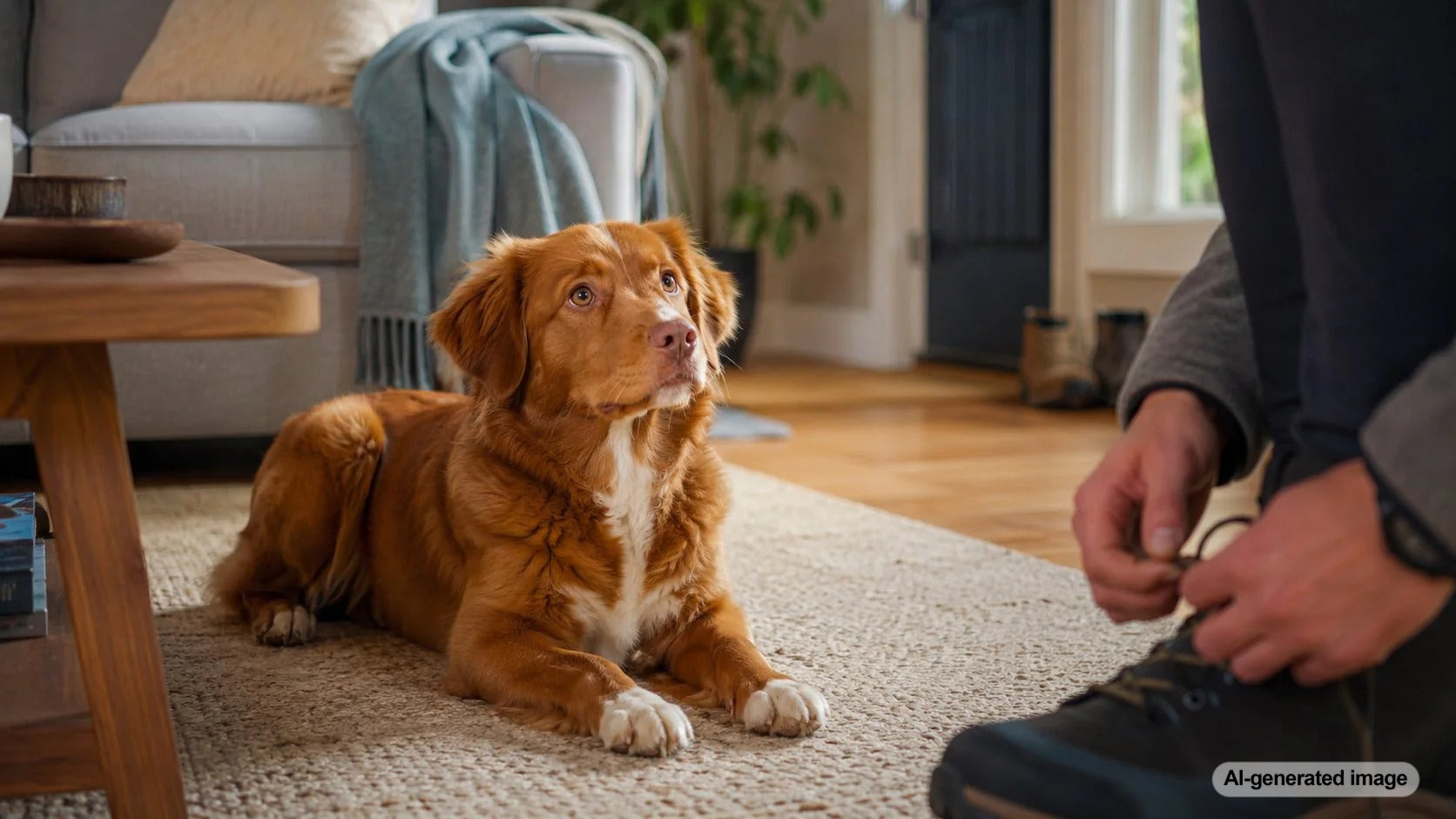
Some dogs seem to learn the rhythm of a home almost by magic. They notice when shoes mean a walk, when the laptop closing means playtime, and when the dinner routine ends with settling on their bed. The best dog breeds for people who want a dog that learns household routines are usually breeds that combine trainability, people-focus, emotional steadiness, and enough food or play motivation to make daily habits easy to reinforce.
That does not mean breed alone guarantees an easy dog. Puppies need repetition, adolescent dogs often test boundaries, and even the smartest breeds can become pushy or bored without structure. Still, certain breeds are especially good at noticing patterns, responding to cues, and fitting into family life when their needs are met.
What Makes a Dog Good at Learning Household Routines?
A routine-friendly dog is not simply a dog that learns commands quickly. Household routines include small everyday patterns: waiting while coffee brews, going to a mat during dinner, relaxing after a walk, using a potty schedule, settling when guests arrive, and understanding when playtime is over.
The traits that help most are attention to people, willingness to repeat behaviors, comfort with predictable structure, and the ability to recover after excitement. A dog who watches your body language, enjoys rewards, and can shift from active to calm will usually learn home habits faster than a dog who is extremely independent, under-exercised, or easily frustrated.
Owners often misunderstand intelligence here. A very smart dog may learn the routine quickly, but also learn how to open cabinets, demand attention, or invent trouble if bored. The easiest routine dogs are usually not just clever. They are clever, cooperative, and given enough legal outlets for chewing, sniffing, licking, and problem-solving.
Best Dog Breeds for Learning Household Routines
Labrador Retriever
Labs are famous for being friendly, food-motivated, and eager to participate in family life. Those traits can make routines easier because rewards matter to them and they usually want to be involved. A Lab can do beautifully with a morning walk, breakfast puzzle, rest period, afternoon play, and evening chew routine, but many Labs need help learning calmness because enthusiasm comes naturally.
Golden Retriever
Golden Retrievers are often strong routine learners because they are people-oriented and responsive to gentle repetition. They tend to thrive when household expectations are clear: greet politely, bring a toy instead of jumping, settle during dinner, and enjoy enrichment before quiet time. Their softness can be a strength, but harsh corrections may make some Goldens worried or confused.
Poodle
Standard, Miniature, and Toy Poodles are bright, observant dogs that often notice patterns quickly. They can be wonderful for owners who enjoy training and mental games. Because they are clever, they may need more than a basic walk to feel satisfied. A Poodle who gets short training sessions, puzzle play, and calm lick-time can become very tuned in to household flow.
Shetland Sheepdog
Shetland Sheepdogs are attentive, sensitive, and quick to pick up cues. They may learn routines almost too well, including the exact sound of a treat bag or the timing of a school pickup. They are best for owners who like structure and can provide mental stimulation. Some Shelties can be vocal, so build quiet cues and calm routines early.
Papillon
Papillons are small, lively, and surprisingly trainable. They are a good reminder that routine-loving dogs do not have to be large working breeds. A Papillon can fit well into apartment or small-home life when given play, short training games, and predictable rest times. Their tiny size does not mean they should be treated like decor. They still need real learning opportunities.
Cavalier King Charles Spaniel
Cavaliers are often gentle, affectionate companions who enjoy being close to their people. They may not be the most intense problem-solvers, but many are excellent at family rhythms because they love companionship and predictability. They can be a good fit for calmer homes, remote workers, or families who want a sweet dog who learns the day by being part of it.
Miniature Schnauzer
Miniature Schnauzers are alert, smart, and often very engaged with their households. They can learn routines well when training is consistent and upbeat. Since many are naturally watchful, it helps to teach what to do when the doorbell rings, where to settle during meals, and how to trade barking for a job like going to a mat.
Pembroke Welsh Corgi
Corgis are bright, sturdy, and responsive dogs that often enjoy having a role. They can learn household rules quickly, but their herding background can show up as barking, nipping at motion, or trying to control the room. Give them structure, movement, and brain work so their routine skills do not turn into bossy household management.
Bichon Frise
Bichons can be cheerful, affectionate routine dogs for owners who want a smaller companion. They often respond well to positive training and predictable schedules, especially around potty breaks, grooming, meals, and rest. Coat care is part of the routine, so this breed is best for someone comfortable with regular brushing and professional grooming.
Adult Mixed-Breed Dogs
A steady adult mixed-breed dog can be one of the best choices for routine-focused homes because you may already see their adult personality. Ask about how the dog handles being alone, visitors, other pets, food, leash walks, and settling indoors. A calm, food-motivated adult dog with a known history may adapt to household rhythms faster than a mystery puppy from any breed.
Breed Traits That Matter More Than Popularity
| Trait | Why It Helps With Routines | What To Watch For |
|---|---|---|
| Food motivation | Makes it easier to reward potty breaks, mat time, recalls, and polite greetings. | Use small rewards and avoid overfeeding during frequent training. |
| People-focus | The dog naturally checks in and notices what the family is doing. | Some people-focused dogs need practice being alone calmly. |
| Moderate energy | The dog can enjoy activity without needing nonstop entertainment. | Under-exercised dogs may create their own routines, like chewing furniture. |
| Emotional steadiness | Helps the dog recover from guests, noises, schedule changes, and busy days. | Very sensitive dogs need gentle, consistent training. |
How To Help Any Dog Learn Your Household Routine
Start with a few anchor points. Feed at predictable times, take potty breaks after sleep and meals, reward calm behavior before it becomes chaos, and give your dog a clear resting spot. Dogs learn faster when the pattern is simple enough to repeat.
Use rewards strategically. For example, keep a few small treats near the door for polite leash behavior, near the dog bed for settle practice, and near your desk if you want your dog to relax while you work. Woof Love Nuggets can fit nicely into short training moments because they are bite-sized rewards for marking the exact behavior you want.
Also build in enrichment before you expect calm. A dog who has sniffed, chewed, licked, or solved a small food puzzle is often more ready to settle than a dog who has only been told no. For dogs who need a predictable quiet-time ritual, The Pupsicle can be part of a supervised daily routine that gives them something appropriate and engaging to focus on.
Common Mistakes That Make Routine Learning Harder
One common mistake is changing the rules based on your mood. If jumping gets attention on Monday but scolding on Tuesday, many dogs keep trying because the pattern is unclear. Another mistake is expecting a young puppy to act like an adult dog. Puppies need more potty trips, shorter training sessions, and more sleep than many new owners realize.
A third mistake is skipping decompression. Busy breeds often need a transition from activity to rest. After a walk, try water, a short calm cue, and a safe enrichment item instead of going straight from high excitement to total stillness.
Finally, do not ignore sudden changes. If a dog who normally follows routines starts having accidents, refusing food, snapping, hiding, limping, drooling excessively, vomiting, or acting unusually anxious, check with your veterinarian or a qualified trainer or behavior professional. Routine struggles can sometimes point to discomfort, stress, or a training plan that needs adjusting.
Dog Parent FAQs
What dog breed learns household routines the fastest?
Many Labrador Retrievers, Golden Retrievers, Poodles, Shetland Sheepdogs, and Papillons learn routines quickly because they are attentive and trainable. Individual temperament, age, exercise, and consistency matter just as much as breed.
Are small dogs good at learning routines?
Yes. Papillons, Miniature Schnauzers, Bichon Frises, and some Cavaliers can be very good routine learners. Small dogs still need real training, clear expectations, and enough enrichment.
Is a puppy or adult dog better for a routine-based home?
An adult dog may be easier if you want a more predictable personality right away. A puppy can learn your routine from the beginning, but needs more supervision, patience, potty breaks, and consistency.
Can any dog learn household routines?
Most dogs can learn household routines with patient training, rewards, and repetition. Some dogs may need extra help because of age, anxiety, health concerns, past experiences, or breed-related energy needs.
The Bottom Line on Routine-Loving Dogs
The best dog for a routine-loving household is not always the smartest dog on paper. It is the dog whose energy, temperament, size, grooming needs, and motivation fit your real life. Choose a breed or individual dog that matches your schedule, then make the routine easy to understand, rewarding to follow, and flexible enough for normal life.
With the right match and a little daily practice, your dog can learn the rhythm of your home: when to play, when to settle, when to chew, when to wait, and when it is finally time for the best part of the day, being with you.


