






































































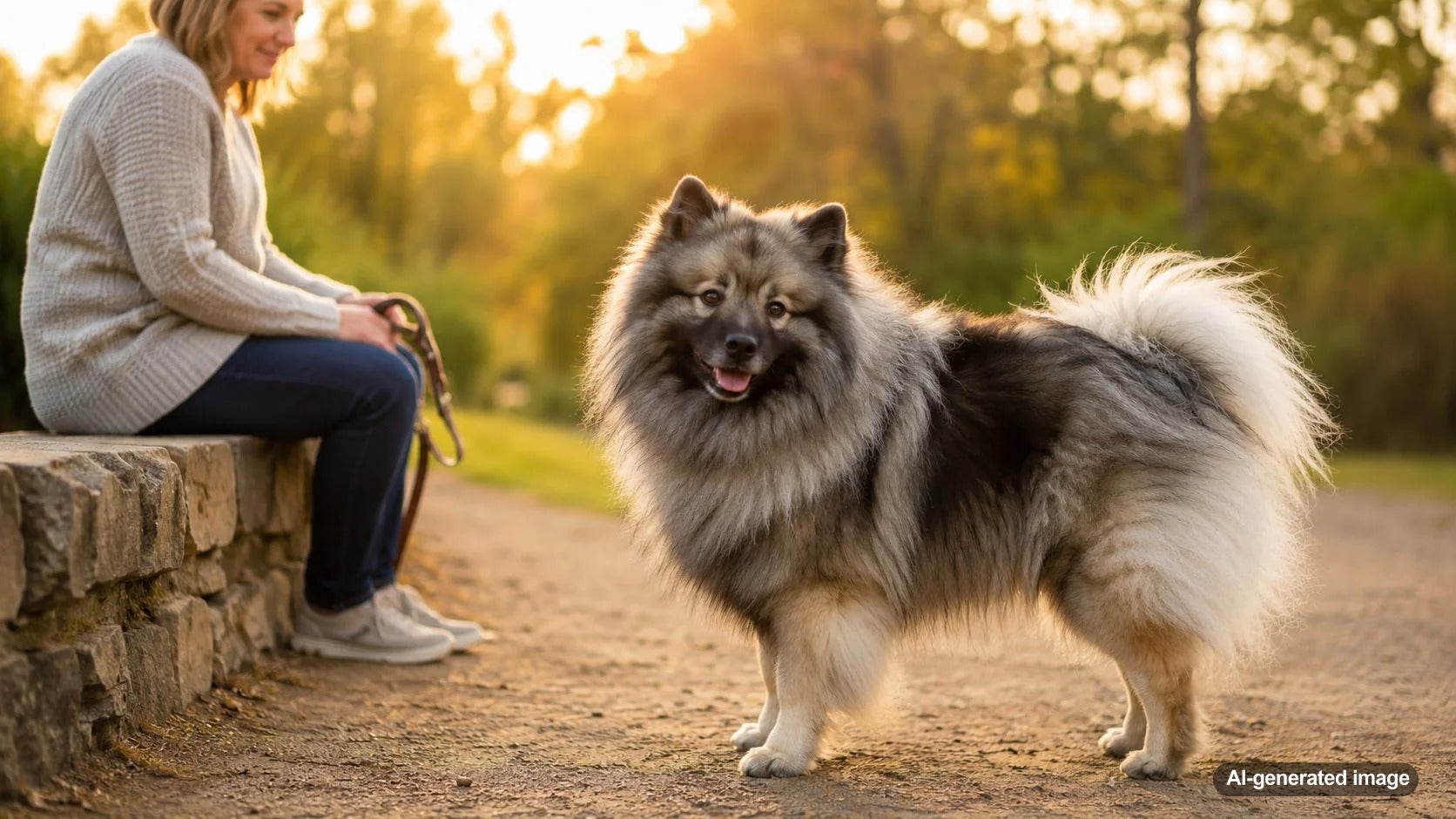
Some dog lovers want a loyal buddy who enjoys walks, playtime, couch time, and daily routines without following them from room to room like a tiny furry supervisor. The Best Dog Breeds for People Who Want a Companion, Not a Shadow are usually dogs with a little more independence, a steady temperament, and the confidence to relax nearby instead of needing constant contact. That does not mean they are cold or detached. It means they may love you deeply while still being perfectly happy to nap in their favorite spot, chew calmly, or watch the world from across the room.
Before choosing a breed, it helps to separate healthy independence from being left alone too long. Every dog needs exercise, training, enrichment, affection, vet care, and a safe routine. Breed tendencies can guide your search, but an individual dog's age, history, socialization, and daily life matter just as much.
Quick Answer
The best dog breeds for people who want a companion, not a shadow, often include Basenjis, Greyhounds, Whippets, Shiba Inus, Basset Hounds, Chow Chows, Scottish Terriers, and some adult mixed-breed dogs with calm, independent temperaments. These dogs may enjoy affection and family life without needing constant touching, carrying, or eye contact. The right fit is not the dog that ignores you. It is the dog that can settle, self-entertain, and reconnect happily when it is time for walks, play, training, or cuddles.
What Does Companion, Not a Shadow Actually Mean?
A companion dog wants to be part of your life. A shadow dog may struggle when you close a bathroom door, walk into another room, or leave the house for a normal errand. Some dogs naturally prefer constant closeness. Others are more catlike, observant, or independent.
The sweet spot for many owners is a dog that bonds well but does not panic when attention pauses. In real life, that might look like a dog who greets you warmly, enjoys a walk, accepts petting, then chooses a bed by the window while you cook, work, or watch TV.
Best Breed Types to Consider
No breed is guaranteed to be low-clingy, and some dogs from independent breeds can still be very attached. Still, these breed tendencies can help you start your search with a clearer idea of what to ask breeders, rescues, shelters, or trainers.
| Breed | Why They May Fit | What To Watch |
|---|---|---|
| Basenji | Often clever, tidy, quiet, and independent. Many enjoy their people without being constantly needy. | They can be stubborn, athletic, and escape-minded. They need secure spaces and smart enrichment. |
| Greyhound | Many adult Greyhounds are calm indoors and enjoy lounging near their family after exercise. | They still need safe walks, cozy bedding, and careful management around small animals depending on prey drive. |
| Whippet | Affectionate but often able to relax quietly once their exercise needs are met. | They can be sensitive and may dislike cold weather, rough handling, or chaotic homes. |
| Shiba Inu | Known for independence and strong personal boundaries. Many are loyal without being clingy. | They need patient training, early socialization, and owners who respect their strong opinions. |
| Basset Hound | Usually mellow, scent-driven, and happy to lounge after sniffy walks. | They can be vocal, stubborn, food-motivated, and prone to ear or weight concerns, so vet guidance matters. |
| Scottish Terrier | Often confident, self-possessed, and devoted without constant neediness. | Terrier instincts can mean digging, chasing, barking, and big feelings in a compact body. |
Adult Dogs Can Be the Best Match
If your main goal is a calm companion, do not overlook adult and senior dogs. Puppies are naturally demanding. They need frequent potty breaks, supervision, socialization, chewing outlets, and help learning how to be alone. An adult dog may already show whether they are a lean-on-you cuddler, a room-to-room follower, or a relaxed nearby napper.
When meeting an adult dog, ask specific questions: Does the dog settle in a crate or bed? Do they bark when people leave the room? Do they enjoy independent chewing? How do they act after a walk? Do they need constant redirection, or can they relax with a safe activity?
Independence Still Needs Enrichment
An independent dog is not a decoration. Many dogs that seem low-maintenance are actually under-stimulated if their day is only food bowl, backyard, couch, repeat. Mental work can prevent boredom, reduce nuisance chewing, and make alone-time practice feel less abrupt.
For dogs who like personal space, enrichment is especially helpful because it lets them engage without needing constant human attention. A stuffed toy, puzzle feeder, sniff walk, safe chew, or licking activity gives the dog something satisfying to do while you answer emails, cook dinner, or reset after a busy day.
For longer-lasting treat play, The Pupsicle can be a useful part of a daily enrichment routine because it gives many dogs a focused licking and treat activity without turning every calm moment into a full training session. For dogs who prefer movement, Walkabout can turn food or treats into a rolling slow-feeder puzzle that encourages sniffing, problem-solving, and gentle indoor activity.
Signs a Dog May Be Too Shadow-Like for Your Lifestyle
A clingy dog is not a bad dog. Some owners adore that closeness. But if you need more personal space, watch for patterns during meet-and-greets or foster trials. A dog who cannot disengage, paces when you step away, blocks doorways, cries behind barriers, or ignores food and toys when separated may need more support than you expected.
Separation stress is different from normal affection. If a dog is drooling, vomiting, trying to escape, destroying exit points, eliminating indoors, or panicking when alone, talk with a veterinarian or qualified trainer. Breed choice alone will not solve anxiety, pain, fear, or a history of distress.
How to Choose the Right Independent Companion
Start with your real life, not a fantasy version of your schedule. A Greyhound may be calm inside but still needs safe outdoor time. A Shiba may love independence but require careful training and management. A terrier may be compact but not low-energy. A Basset may be mellow but highly motivated by smells and snacks.
Ask yourself how much grooming, barking, shedding, training complexity, prey drive, and exercise you can truly handle. Then meet dogs as individuals. The best match may be a purebred puppy from a thoughtful breeder, but it may also be a five-year-old mixed breed at a rescue who already knows how to nap while humans do human things.
Common Mistakes to Avoid
Do not choose a dog because a breed list says it can be left alone. Even independent dogs need gradual alone-time training, predictable routines, and safe outlets. Do not mistake aloofness for easy ownership, either. Some independent breeds are very smart and will make their own entertainment if you do not provide better options.
It is also worth avoiding the idea that a second dog automatically fixes clinginess. Some dogs gain confidence with a buddy, while others remain attached to the person or teach the new dog the same anxious habits. Match the dog in front of you, not the shortcut you wish would work.
Dog Parent FAQs
Are independent dog breeds less affectionate?
Not always. Many independent dogs are affectionate in quieter ways. They may lean in for a greeting, enjoy a short cuddle, then choose their own resting spot.
Can any dog learn to be less clingy?
Many dogs can build confidence with calm routines, enrichment, barrier practice, and short positive separations. If your dog seems panicked or distressed, ask a veterinarian or qualified trainer for help.
What is the best low-clingy dog for an apartment?
Some adult Greyhounds, Whippets, Basset Hounds, and calm mixed-breed dogs can do well in apartments when their exercise, noise, and enrichment needs are met. Always consider the individual dog and your building's rules.
Should I get a puppy if I want an independent companion?
A puppy can grow into a balanced companion, but puppies are not low-attention. If you want a clearer sense of temperament, an adult dog is often easier to evaluate.
The Bottom Line
The best dog breeds for people who want a companion, not a shadow, are not dogs that need less love. They are dogs whose affection may come with more breathing room. Look for a steady temperament, realistic energy needs, healthy confidence, and a routine that includes walks, rest, training, chewing, licking, sniffing, and play. When you choose the dog who fits your actual day-to-day life, companionship feels easier for both of you.


