






































































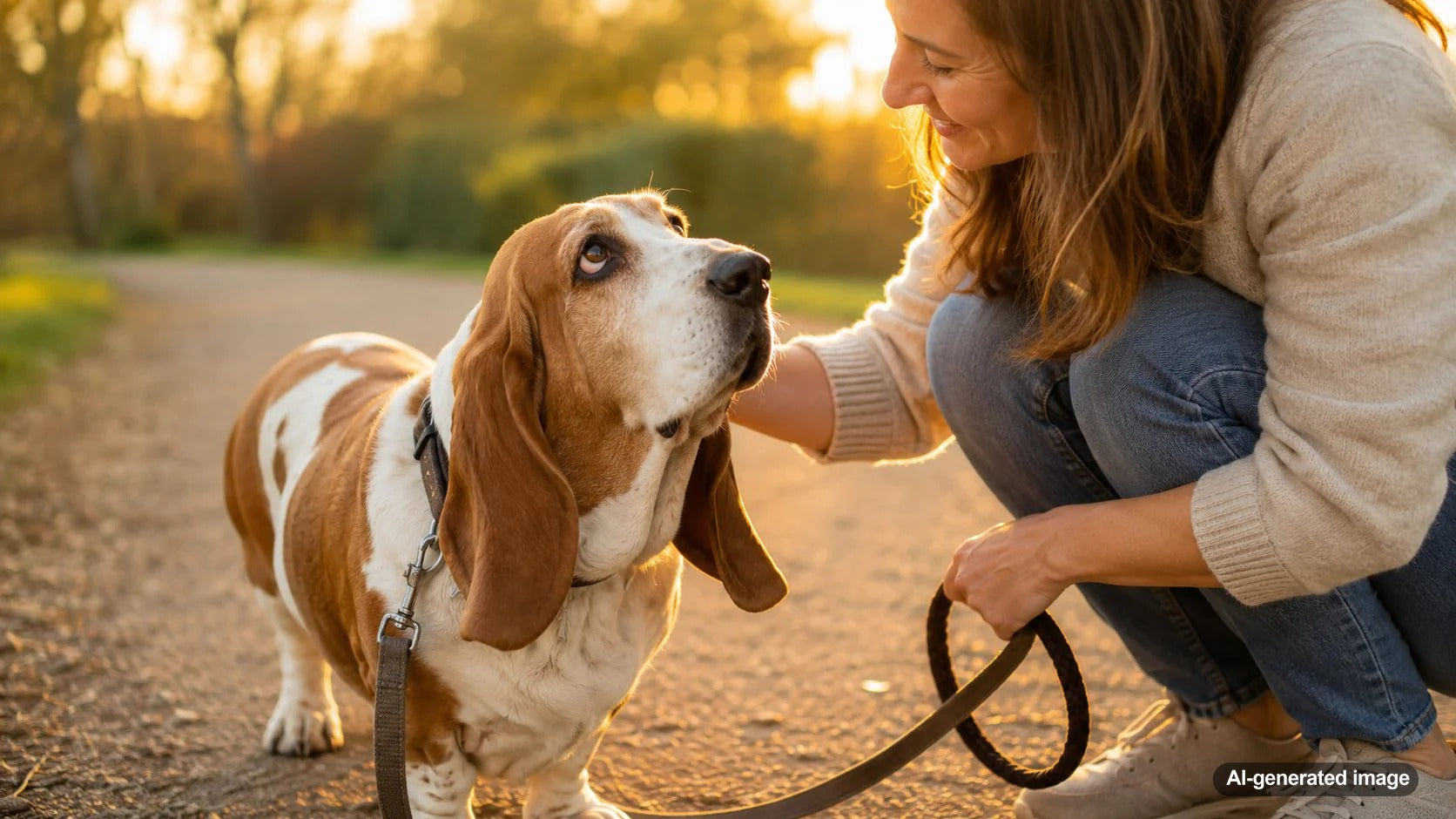
Not every dog parent dreams of running five miles before breakfast. Some people prefer leisurely neighborhood walks, quiet afternoons, and a dog who is satisfied by gentle activity rather than nonstop action. The best dog breeds for people who prefer gentle exercise are typically adaptable companions that enjoy short walks, relaxed play, plenty of sniffing, and meaningful time with their humans.
Breed tendencies can provide a useful starting point, but they are never a guarantee. Age, health, personality, upbringing, and daily routine can make two dogs of the same breed behave very differently. Before bringing home any dog, talk honestly with a responsible breeder or rescue organization about the individual dog's energy level.
What Does Gentle Exercise Mean for a Dog?
Gentle exercise does not mean no exercise. It usually means low-impact activities performed at a comfortable pace, such as relaxed leash walks, wandering through the yard, swimming when appropriate, food puzzles, scent games, and short play sessions.
A low-key dog may still become restless if every day consists of a quick bathroom trip and hours on the couch. Watch for real-life signs of unmet needs, including pacing, attention barking, stealing household items, chewing furniture, or repeatedly pestering you to play. Mental activity can help fill the gap without requiring an intense workout.
1. Cavalier King Charles Spaniel
Cavaliers are affectionate companion dogs that often adapt well to a relaxed household. Many enjoy a couple of comfortable walks, indoor games, and plenty of time beside their people. They are usually more interested in companionship than conquering a rugged trail.
The breed can be prone to significant health concerns, including heart problems, so careful breeder research and regular veterinary care matter. An individual Cavalier's exercise routine should reflect the dog's age, conditioning, and medical needs.
2. Basset Hound
With short legs, a sturdy body, and a powerful nose, the Basset Hound often prefers a slow, scent-filled outing over a fast-paced run. A Basset may cover surprisingly little distance while spending a wonderful amount of time investigating one hedge.
These dogs can gain weight easily, so gentle does not mean unlimited snacks and skipped walks. Consistent movement, portion awareness, and low-impact enrichment can help support a healthier routine. Their long backs and heavy build also make repeated jumping and excessive stair climbing less desirable.
3. Whippet
Whippets can sprint with impressive speed, but many are famously relaxed indoors once their needs are met. They often enjoy a short opportunity to run safely, followed by a walk and a serious couch nap.
A secure area is important because their chase instinct can activate quickly. They may not be the right choice for someone who wants to avoid all brisk activity, but they can suit people who prefer brief bursts of play rather than hours of strenuous exercise.
4. Greyhound
Retired racing Greyhounds frequently surprise adopters with their calm home behavior. Although they are elite sprinters, many adults are content with regular walks, occasional safe zooming, and long periods of rest.
Their size requires practical consideration. They need enough room to turn comfortably, a secure leash setup, and soft places to rest. Some also have a strong prey drive, so individual temperament should be discussed before introducing them to cats or small pets.
5. Shih Tzu
Shih Tzus were developed as companion dogs and often thrive with short walks, indoor play, and close interaction. Their small size makes them convenient for apartment living, although they still benefit from daily outings and opportunities to sniff.
Because they have short muzzles, they may struggle in heat or during demanding exercise. Walk during cooler parts of the day, bring water, and stop if the dog shows noisy breathing, excessive panting, weakness, or difficulty recovering. Breathing trouble should be discussed with a veterinarian.
6. Japanese Chin
The Japanese Chin is a small companion breed known for a generally graceful, home-oriented lifestyle. Many enjoy gentle play, short walks, and exploring at their own pace. Their manageable size can also work well for people who have limited space.
Like other short-faced dogs, they require extra care in hot or humid weather. Calm indoor activities can be especially useful when outdoor conditions are uncomfortable.
7. An Adult or Senior Mixed-Breed Dog
One of the best matches may not be a specific breed at all. Adult and senior dogs in foster homes often come with something puppies cannot provide: an observable energy level. A foster caregiver may already know whether a dog prefers two short walks, enjoys quiet evenings, handles stairs, or becomes restless without active play.
Older dogs may need low-impact movement to maintain mobility, but their needs can change with arthritis, vision loss, heart disease, or other conditions. Ask a veterinarian about unexplained limping, stiffness, reluctance to move, sudden fatigue, or major changes in exercise tolerance.
How These Dogs Compare
| Breed or Type | Typical Activity Style | Important Consideration |
|---|---|---|
| Cavalier King Charles Spaniel | Short walks and companion time | Research breed health carefully |
| Basset Hound | Slow, scent-focused walks | Weight and joint management |
| Whippet | Brief running followed by rest | Secure areas and prey drive |
| Greyhound | Moderate walks and lounging | Large body and sensitive skin |
| Shih Tzu | Short walks and indoor games | Heat and breathing precautions |
| Japanese Chin | Gentle play and brief outings | Heat sensitivity |
| Adult or senior mixed breed | Varies by individual | Health history and mobility |
How to Keep a Low-Key Dog Happily Engaged
For many calm dogs, ten minutes of thoughtful enrichment can be more satisfying than another hurried lap around the block. Let your dog sniff during walks, scatter a few treats for a search game, practice easy cues, or rotate safe toys instead of leaving everything out all the time.
A food-based activity such as The Pupsicle can provide a longer-lasting licking challenge while you read, work, or relax. For dogs that prefer slow exploration, the Walkabout can turn part of a meal into a rolling indoor puzzle. Account for enrichment food in the dog's daily calories, select the correct product size, and supervise use.
Choose the Individual Dog, Not Just the Breed Label
Ask how the dog behaves on an ordinary day. Does the dog settle after a walk? How long can the dog comfortably exercise? Does the dog pull hard, chase wildlife, struggle in warm weather, or become destructive when bored? These practical details reveal more than a simple low-energy label.
Puppies of even the calmest breeds can be busy, mouthy, and demanding. Likewise, a mature dog from a traditionally active breed may have a surprisingly mellow temperament. Meeting the individual dog and discussing your real routine will give both of you the best chance of a comfortable match.
Dog Parent FAQs
Do calm dog breeds still need daily walks?
Yes. Most dogs benefit from daily movement, outdoor exploration, and sniffing. The ideal duration and intensity depend on the dog's age, health, breed, and individual stamina.
Is a small dog always easier to exercise?
No. Some small breeds are highly energetic, while some large dogs are calm indoors. Energy level, temperament, training, and health matter more than size alone.
Are senior dogs good for less-active households?
They can be excellent companions, especially when their established personality matches the household. However, senior dogs may require veterinary care, mobility support, and adjustments to walking surfaces or stairs.
How can I tell if exercise is too strenuous?
Slow down if your dog lags behind, lies down, pants excessively, limps, seems disoriented, or takes unusually long to recover. Seek veterinary help for breathing difficulty, collapse, persistent pain, or sudden changes in stamina.
A Calm Lifestyle Can Still Be Enriching
The right dog does not need to turn you into a marathon runner. A thoughtful match may be perfectly happy sharing gentle walks, sniffing the neighborhood, solving a simple food puzzle, and curling up beside you afterward. Focus on the individual dog's needs, keep activity consistent, and use mental enrichment to make relaxed days feel satisfying rather than empty.


