







































The Best Dog Breeds for People Who Love Weekend Adventures are usually athletic, trainable, resilient, and happy to spend time exploring with their humans. But the best match is not always the dog with the highest energy level. A great adventure dog should fit your actual weekends, whether that means trail hikes, lake days, camping trips, road trips, beach walks, or long neighborhood explorations followed by a cozy nap.
Breed can give you clues, but it should never be the only factor. Individual personality, age, conditioning, health, training, weather tolerance, recall skills, and your lifestyle all matter. A weekend adventure dog still needs weekday outlets, clear rules, and plenty of recovery time.
What Makes a Dog Breed Good for Weekend Adventures?
The best adventure dogs usually share a few traits: stamina, curiosity, confidence, trainability, and a body built for movement. They enjoy problem-solving, can settle after exercise, and are not easily overwhelmed by new smells, sounds, people, or terrain.
That last point matters. A dog who can hike for miles but panics at a crowded trailhead may not enjoy your version of adventure. A dog who loves people but ignores recall when squirrels appear needs more training before off-leash environments are even a consideration. Adventure readiness is a mix of genetics, preparation, and smart management.
Top Dog Breeds for Active Weekend People
| Breed | Best For | Keep in Mind |
|---|---|---|
| Labrador Retriever | Hikes, swimming, camping, family outings | Often food-motivated, so watch treat portions and trail snacks. |
| Australian Shepherd | Agility-style adventures, hiking, active training games | Needs mental work, not just miles. |
| Vizsla | Running, long walks, close human companionship | Can be very attached and may need help learning to settle. |
| German Shorthaired Pointer | Trail running, hiking, field-style adventures | High drive and prey interest require strong training. |
| Border Collie | Technical hikes, skill games, active handlers | Brilliant dogs can invent jobs if bored. |
| Portuguese Water Dog | Water days, boat days, beach trips, active families | Coat care and grooming are part of the package. |
| Australian Cattle Dog | Rugged hikes, farm-style activity, experienced owners | Can be intense, loyal, and opinionated without structure. |
| Siberian Husky | Cold-weather adventures and endurance activity | Heat sensitivity and recall challenges need serious planning. |
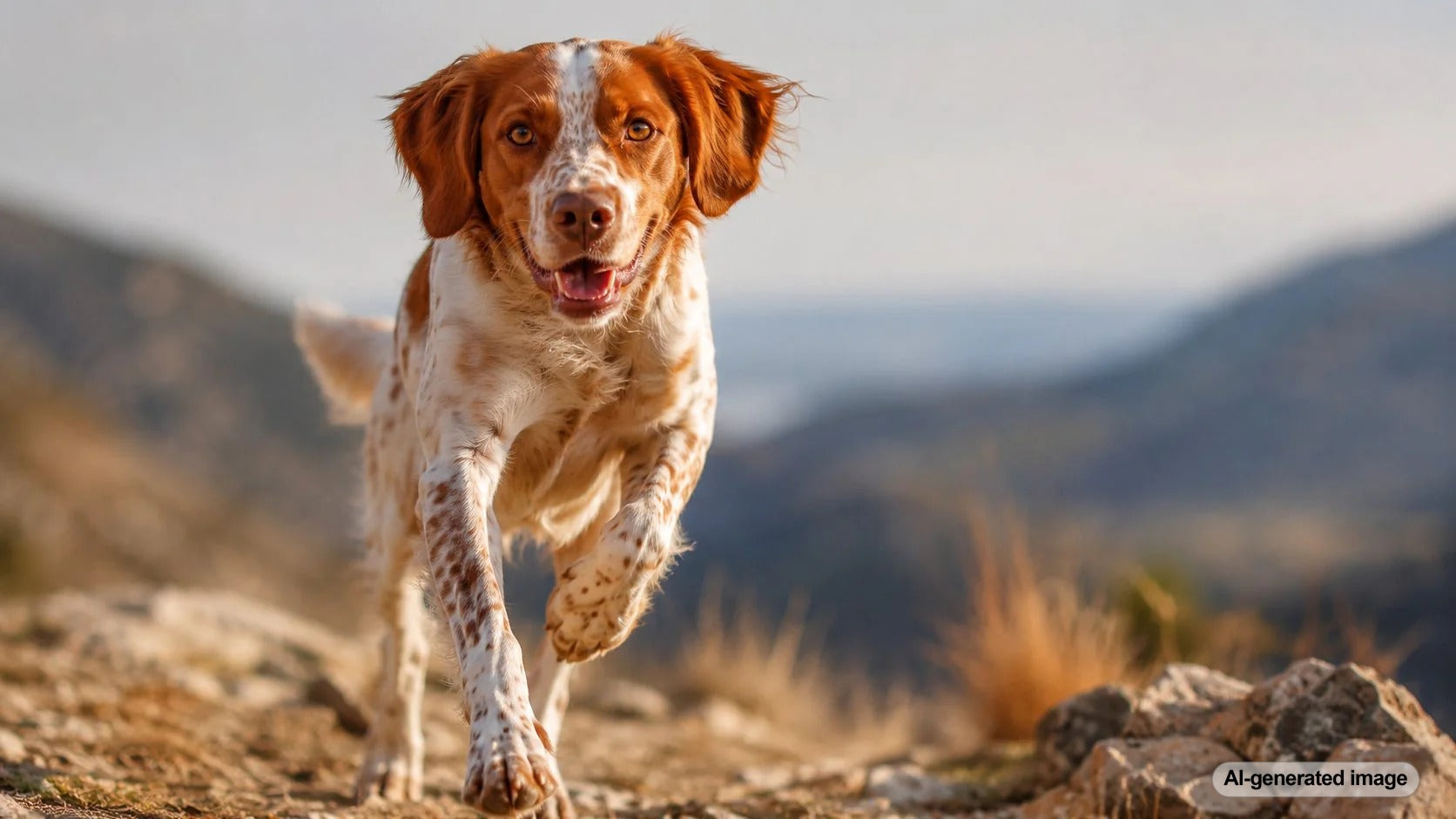
| Brittany | Hiking, exploring, sporty weekend routines | Often needs consistent exercise and scent-friendly outlets. |
| Jack Russell Terrier | Compact adventure buddy for active owners | Small does not mean low energy. |
Best Breeds for Hiking and Trail Days
If your weekends revolve around trailheads, uneven ground, and long miles, look for breeds with endurance, sure-footedness, and strong trainability. Australian Shepherds, Border Collies, German Shorthaired Pointers, Vizslas, Labrador Retrievers, and Australian Cattle Dogs are often strong contenders.
For real-life hiking, the details matter. A dog should be comfortable passing other dogs, ignoring wildlife, waiting calmly while you check a map, and drinking water on breaks. Start with shorter routes and build distance gradually. Paw pads, muscles, and joints need conditioning just like yours do.
Puppies should not be pushed into long, repetitive hikes before they are physically ready, and senior dogs may still love adventures in smaller doses. If your dog limps, lags, seems stiff, pants heavily, vomits, refuses food, or has a sudden change in behavior after activity, check with your veterinarian.
Best Breeds for Water, Beach, and Lake Adventures
For people who love lake weekends, beach walks, kayaking stops, or dock days, Labrador Retrievers and Portuguese Water Dogs are classic choices. Many German Shorthaired Pointers also enjoy water, and some mixed-breed dogs become fantastic swim buddies with the right introduction.
Not every water-loving breed automatically knows how to be safe around water. Use a well-fitted dog life jacket when boating, supervise closely near pools or currents, and rinse salt, sand, or lake water from your dog's coat and paws after the outing. Bring fresh water so your dog is not tempted to drink from questionable sources.
Best Breeds for Road Trips and Camping Weekends
A good road trip dog is not only active. They also need to settle in the car, rest in new places, handle routine changes, and stay calm around campground sounds. Labradors, Brittanys, Portuguese Water Dogs, and many well-socialized herding or sporting breeds can do well with practice.
Before a bigger trip, rehearse the little things: car naps, crate time, leash manners in busy places, quiet time while you eat, and sleeping somewhere unfamiliar. A dog who gets a full adventure day may still need a calming decompression routine at night.
High-Energy Does Not Always Mean Easy
One common misunderstanding is that active dog breeds are automatically easier for outdoorsy people. Sometimes the opposite is true. A very athletic dog may need daily structure, not just weekend excitement. Without weekday outlets, that dog may chew furniture, bark at every window sound, pace at night, or become pushy for attention.
Adventure breeds often do best with a repeatable rhythm: morning walks, training games, puzzle feeding, appropriate chewing, calm licking sessions, and scheduled rest. Physical activity drains the body, while enrichment and training help satisfy the brain. Dogs need both.
How to Choose the Right Adventure Dog for Your Life
Instead of asking, "Which breed is the most athletic?" ask, "Which dog fits the way I really live?" If you hike once a month but work long days, a nonstop working breed may be too much. If you run, camp, train, and spend most weekends outside, a higher-drive breed may feel like a dream partner.
Also consider size and logistics. A large dog may be harder to lift over obstacles or manage in a small tent. A small terrier may be easier to travel with but still need serious training and exercise. Coat type matters too. Thick-coated dogs may struggle in hot weather, while short-coated dogs may need extra warmth in cold rain or snow.
Adventure Gear and Safety Basics
Whatever breed you choose, pack for the dog in front of you. Bring water, a collapsible bowl, waste bags, a leash, ID tags, a first-aid kit, paw protection when needed, and high-value rewards for check-ins. For longer outings, consider weather, terrain, shade, and how far your dog can comfortably walk back if they get tired.
Practice recall, leash skills, leave-it cues, and calm greetings before you need them in a busy outdoor setting. Adventure dogs are still dogs. Wildlife, dropped food, unfamiliar dogs, bikes, horses, and kids running on trails can all be hard distractions.
Dog Parent FAQs
What is the best dog breed for hiking?
There is no single best breed for every hiker. Labrador Retrievers, Australian Shepherds, Vizslas, German Shorthaired Pointers, Border Collies, and Australian Cattle Dogs are often strong hiking partners, but training, conditioning, age, and temperament matter just as much as breed.
Are small dogs good for weekend adventures?
Yes, some small dogs are surprisingly adventurous. Energetic terriers and sturdy small mixed breeds may enjoy hikes and travel, but they still need safe pacing, hydration, and protection from rough terrain or extreme weather.
Which dogs are best for camping?
Dogs who can settle, sleep in new places, stay calm around noises, and follow leash rules tend to make the best camping companions. Many sporting, herding, and water breeds can do well with practice, but individual temperament is key.
How do I know if my dog is too tired on an adventure?
Watch for lagging behind, excessive panting, stumbling, refusing water, seeking shade, limping, or seeming unusually quiet. Stop, cool down, offer water, and contact your veterinarian if symptoms are serious, sudden, or do not improve.
The Bottom Line on Adventure Dogs
The best weekend adventure dog is not just the breed that can go the farthest. It is the dog whose energy, temperament, training needs, size, coat, and recovery style match your real life. Choose thoughtfully, build fitness gradually, bring the right supplies, and give your dog a balance of movement, enrichment, and rest.
When you get that match right, weekend adventures become more than exercise. They become a shared routine your dog can understand, look forward to, and enjoy safely with their favorite person.


