






































































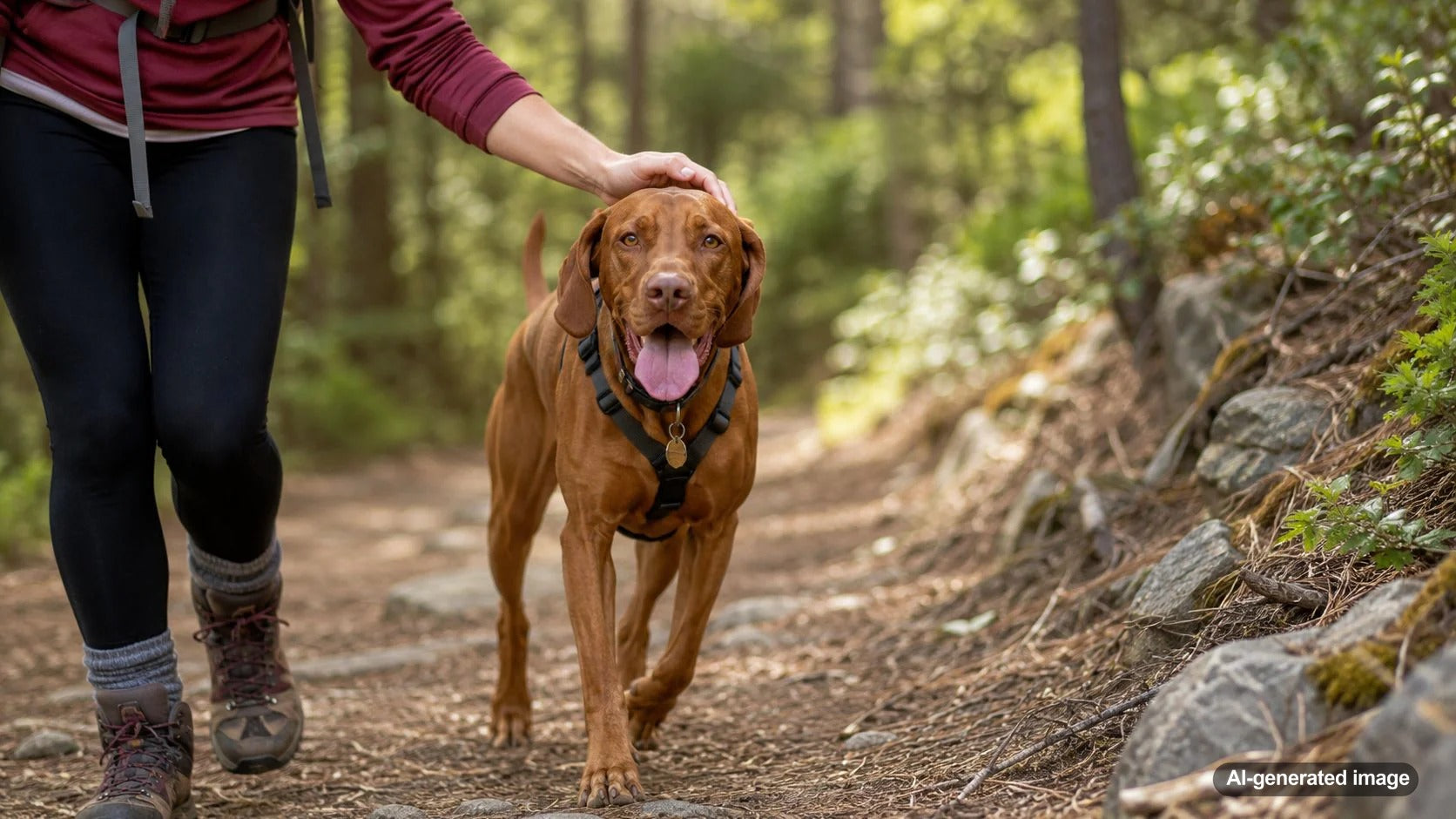
The Best Dog Breeds for People Who Love Hiking are usually energetic, trainable, weather-aware, and happy to move with you instead of treating every trail like a squirrel-themed obstacle course. A great hiking dog is not simply the dog who can run the farthest. It is the dog whose body type, temperament, recall skills, and recovery needs fit the trails you actually love.
Breed can give you helpful clues, but the individual dog matters too. Age, fitness, paw condition, heat tolerance, leash manners, and personality all affect whether a dog will enjoy hiking. Some dogs are built for rocky climbs and long mileage. Others are happier with shaded nature walks, short loops, and plenty of sniff breaks.
Quick Answer
The best hiking breeds often include Australian Shepherds, Border Collies, Labrador Retrievers, Golden Retrievers, German Shorthaired Pointers, Vizslas, Siberian Huskies, Bernese Mountain Dogs, Portuguese Water Dogs, and athletic mixed-breed dogs. The best match depends on your climate, trail distance, training goals, and whether you want a high-drive adventure partner or a relaxed weekend trail buddy.
What Makes a Dog Breed Good for Hiking?
Good hiking dogs usually have stamina, comfortable movement, and enough training focus to handle the trail. A responsive temperament helps them pass other hikers, ignore wildlife, stay near you, and settle when the hike is done. What dog parents sometimes misunderstand is that energy alone does not make a dog trail-ready. A dog who pulls hard for the first mile, barks at every passing dog, or refuses water breaks can turn an easy hike into a stressful one.
1. Australian Shepherd
Australian Shepherds are smart, athletic, and naturally ready for a job. They often enjoy climbing, route changes, and problem-solving, which makes varied trails especially fun for them. Their brains need as much work as their legs, so a post-hike decompression routine matters. After a hike, something like The Pupsicle can give them a calmer way to settle after the excitement of the trail.
2. Border Collie
Border Collies are famous for focus, intensity, and endurance. They can be amazing hiking partners for experienced dog parents who like frequent activity and structured training. Because they notice everything, crowded trails may be overstimulating. Practice leash skills, check-ins, leave-it cues, and calm passing before taking on busy trailheads.
3. Labrador Retriever
Labrador Retrievers are sturdy, friendly, food-motivated, and happy to join many family adventures. They often do well on moderate hikes, lakeside trails, and routes with lots of sniffing and exploring. Because many Labs love food and fun, they may need help with pacing. Watch for overexcitement near water, other dogs, or dropped trail snacks.
4. Golden Retriever
Golden Retrievers can be wonderful hiking dogs for people who want a friendly, trainable, people-oriented companion. They often enjoy moderate to long walks, gentle climbs, and social outdoor adventures. Their coats can pick up burrs, mud, and trail debris, so plan for brushing after hikes. In warm weather, give them shade breaks and avoid pushing through heat just because they seem eager to please.
5. German Shorthaired Pointer
German Shorthaired Pointers are high-energy, athletic dogs that often thrive with active owners. They are a strong fit for longer outings, open trails, and fast-moving hikes. This is not usually a couch-first breed. Many GSPs need daily movement and training, and their prey drive can be strong, so leash control and recall work are especially important around wildlife.
6. Vizsla
Vizslas are lean, affectionate, and athletic. They often bond closely with their people, which can make them joyful trail companions. They are usually happiest when the adventure is shared, not when they are left to entertain themselves. Because their coats are short, they may need extra care in cold or rough conditions.
7. Siberian Husky
Siberian Huskies can be strong hiking partners in cooler climates. They were bred for endurance and often love movement, snow, and long outdoor adventures. They are not ideal for every hiker, though. Many Huskies have high prey drive and an independent streak, so off-leash hiking is often risky unless the dog has exceptional training in a legal, safe area. They can also overheat in warm conditions.
8. Bernese Mountain Dog
Bernese Mountain Dogs can be lovely companions for cool-weather hikes and steady mountain walks. They are strong, calm, and often enjoy being close to their people. Because they are large and heavy, they may not be the best match for fast, hot, high-mileage adventures. Ask your veterinarian about appropriate activity if your Berner is growing, senior, limping, or recovering from an injury.
9. Portuguese Water Dog
Portuguese Water Dogs are active, clever, and often ready for wet, messy outdoor fun. They can be a great fit for hikers who also love lakes, beaches, and varied terrain. Their coats need maintenance after muddy or brushy hikes. They also do best when physical activity is paired with training and enrichment, because boredom can show up as mouthiness or mischief.
10. Mixed-Breed Dogs With the Right Build and Temperament
Some of the best hiking dogs are mixed-breed dogs. A medium-size rescue with good stamina, comfortable movement, curiosity, and solid leash skills may be a better hiking partner than a purebred dog whose needs do not match your lifestyle. Look at the dog in front of you, not just the label.
Best Hiking Breed Match by Trail Style
| Trail Style | Good Breed Matches | What to Watch |
|---|---|---|
| Long, cool-weather hikes | Siberian Husky, Australian Shepherd, Border Collie | Heat, prey drive, overexcitement, need for mental work |
| Family-friendly weekend trails | Labrador Retriever, Golden Retriever, mixed-breed dogs | Pacing, leash manners, water breaks, trail snacks |
| Fast, athletic hikes | German Shorthaired Pointer, Vizsla, Border Collie | Recall, wildlife interest, daily exercise needs |
| Cool mountain strolls | Bernese Mountain Dog, Golden Retriever, Portuguese Water Dog | Heat, coat care, joint comfort, gradual conditioning |
Trail Safety Matters More Than Breed
Even the best hiking breed needs preparation. Start with shorter trails and slowly increase distance. Bring water for your dog, watch paw pads on hot rock or rough ground, check for ticks afterward, and respect leash rules. If your dog is panting hard, slowing down, limping, drooling excessively, vomiting, or acting disoriented, stop and contact a veterinarian as soon as possible.
Dogs with flat faces, dogs who are overweight, puppies, seniors, and dogs with medical conditions may need shorter outings or a vet-approved plan. Hot weather can be dangerous even for athletic dogs, so choose cooler times of day and turn back early when needed.
Helpful Trail Tip
Plan the after-hike routine before you leave. Many dogs come home tired but still mentally buzzing from wildlife smells, new sounds, and car excitement. A quiet water break, towel rubdown, and calm enrichment toy can help your dog shift from adventure mode to rest mode.
What to Pack for a Happy Hiking Dog
Pack fresh water, a collapsible bowl, poop bags, a leash, a backup leash or clip, a small first-aid kit, paw wipes, high-value treats, and weather-appropriate gear. If your dog gets restless during the drive, at the campsite, or while you stop for lunch, the On the Go Travel Kit can be a practical way to bring familiar enrichment along for the adventure.
Dog Parent FAQs
What is the best dog breed for hiking beginners?
Labrador Retrievers, Golden Retrievers, and well-matched mixed-breed dogs can be good choices because they are often trainable and adaptable. Individual temperament and fitness still matter more than breed alone.
Can small dogs be good hiking dogs?
Yes. Some small dogs love trails, but distance, terrain, temperature, and leg length matter. Start with easy hikes and watch for fatigue, overheating, or sore paws.
Are puppies good hiking partners?
Puppies can enjoy short, gentle nature walks, but long or strenuous hikes may be too much for growing joints. Ask your veterinarian what is appropriate for your puppy's age, size, and breed.
Which dogs should avoid hard hikes?
Dogs with breathing challenges, joint pain, heart concerns, injuries, extreme heat sensitivity, or poor conditioning may need easier outings. Check with your vet before increasing activity if you are unsure.
The Bottom Line on Choosing a Hiking Dog
The best hiking dog is not always the most energetic dog. It is the dog whose body, mind, training, and recovery needs match the trails you actually hike. Choose carefully, condition gradually, respect the weather, and make rest part of the adventure.


