





































































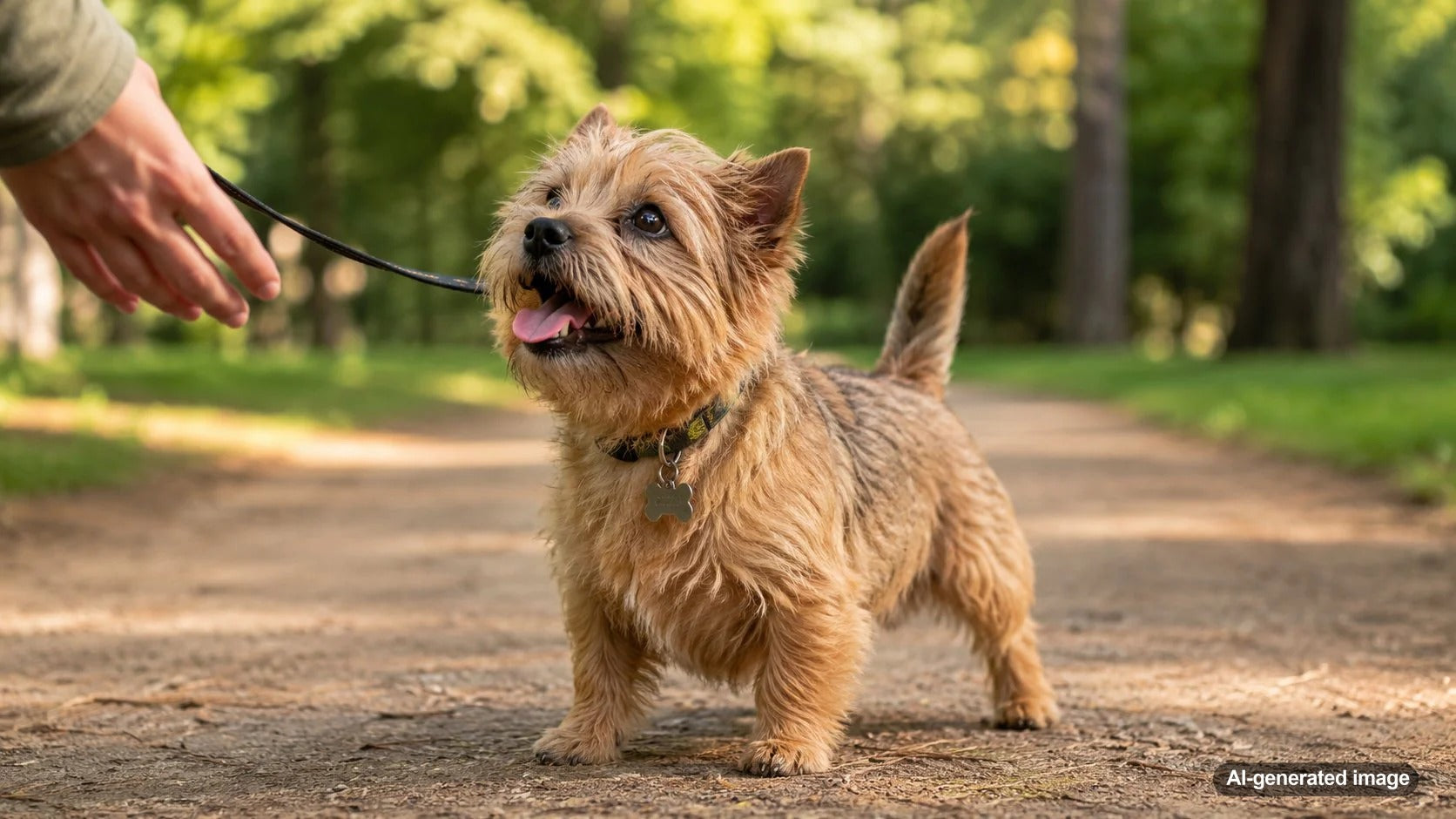
Small dogs can be hilarious, bossy, cuddly, brave, dramatic, athletic, and deeply loyal, sometimes all before breakfast. The best dog breeds for people who like big personalities in small packages are usually breeds with confidence, curiosity, strong people bonds, and enough energy to make everyday life more entertaining. The trick is choosing a small dog whose personality fits your home, schedule, noise tolerance, training style, and idea of fun.
Small does not always mean low-maintenance. Some little dogs were bred to sit in laps, some were bred to chase vermin, some were bred to alert their people, and some believe they were personally hired to supervise the whole household. That background often shows up in barking, prey drive, independence, trainability, toy obsession, or a strong need for mental enrichment.
What Makes a Small Dog Have a Big Personality?
A big personality usually means the dog is expressive, opinionated, playful, alert, people-focused, or full of confidence. In real life, that might look like a Chihuahua announcing visitors with great seriousness, a Dachshund digging into blankets like a tiny explorer, or a Papillon learning tricks faster than the humans expected.
Many small breeds are also easy to underestimate. Because they are portable and cute, people sometimes skip the structure they would give a larger dog. But small dogs still need leash manners, polite greetings, safe chew options, calm-time practice, and clear boundaries. A five-pound dog can still develop big habits if every bark, jump, or demand gets rewarded.
Best Small Dog Breeds With Big Personalities
| Breed | Big personality style | Best fit |
|---|---|---|
| Chihuahua | Bold, devoted, expressive, often very attached to their favorite person | Owners who like a tiny shadow and can commit to socialization |
| Dachshund | Funny, determined, curious, and often more stubborn than their size suggests | People who enjoy problem-solving and gentle, consistent training |
| Miniature Schnauzer | Smart, alert, lively, and often ready to comment on household activity | Families who want a small dog with watchdog energy and trainable brains |
| Papillon | Bright, agile, social, and surprisingly sporty | Owners who want a small dog that enjoys learning and activity |
| Pomeranian | Confident, fluffy, theatrical, and highly aware of attention | People who enjoy grooming, training, and a spirited companion |
| Yorkshire Terrier | Brave, busy, affectionate, and full of terrier attitude | Owners who want a small dog with spark and style |
| Toy Fox Terrier | Energetic, sharp, playful, and game for action | Active homes that want a tiny dog with athletic drive |
| Brussels Griffon | Comical, sensitive, expressive, and very people-oriented | Dog parents who want a quirky companion and lots of face-to-face bonding |
| Havanese | Cheerful, social, adaptable, and affectionate | Families who want a lively companion with a softer, friendly vibe |
| French Bulldog | Goofy, charming, sturdy, and people-loving | Homes that want comic relief and moderate activity, with attention to heat safety |
Choose by Personality, Not Just Cuteness
Before falling for a breed photo, think about the version of that dog on an ordinary Tuesday. Do you want a dog who follows you from room to room? A dog who likes trick training? A dog who can settle under your desk? A dog who will happily play, chew, lick, and nap through a rainy afternoon?
Terrier-type small dogs often need more outlets for chasing, sniffing, digging, and problem-solving. Companion breeds may be more people-focused and may struggle if left alone for long stretches without a routine. Alert breeds may bark more unless they are taught what to do after they notice a sound. None of this makes them bad dogs. It just means the match matters.
Big Personality Can Also Mean Big Feelings
Small dogs sometimes get labeled as dramatic when they are actually overwhelmed, under-socialized, bored, or being handled in ways that feel too intense. Because they are easy to scoop up, people may forget to let them choose, sniff, retreat, or approach at their own pace.
Watch for stress signals like lip licking, tucked tail, shaking, hiding, growling, snapping, sudden clinginess, or a major change in appetite or bathroom habits. If behavior changes suddenly, or if your dog seems painful, fearful, or unusually reactive, check with your veterinarian or a qualified trainer. Training and enrichment can support daily life, but they are not a replacement for medical or behavior care when something bigger is going on.
How to Keep Small Dogs Busy Without Overdoing It
A small dog may not need marathon exercise, but many need plenty of mental stimulation. That is especially true for breeds like Papillons, Miniature Schnauzers, Dachshunds, Toy Fox Terriers, and Yorkies. A bored small dog may bark at hallway sounds, shred tissues, demand attention, chew furniture corners, or invent games you did not approve.
Try rotating activities by energy level. Use sniff walks and puzzle play when your dog is alert. Use licking or chewing when you want to encourage settling. Use tiny training treats for short sessions like name response, hand targeting, mat work, and polite greetings. For small dogs, reward size matters because calories add up quickly. Break treats into tiny pieces and keep sessions upbeat.
For little dogs who need a portable calming activity, the FlipMat Mini can be a useful fit because it combines lick mat enrichment with a smaller, travel-friendly format. For dogs who love longer-lasting treat play, The Pupsicle can help turn treat time into a more engaging routine. Always choose the right size, supervise new activities, and remove any item that becomes damaged.
Common Mistakes With Small Dogs That Have Huge Energy
One common mistake is treating barking as the whole problem instead of asking what the dog is trying to do. Is the dog alerting? Asking for attention? Reacting to fear? Guarding a window? Bored? Each cause needs a different plan.
Another mistake is skipping leash skills because the dog is easy to carry. Carrying can be helpful for safety, but small dogs still benefit from learning how to walk, check in, pass distractions, and recover after excitement. A third mistake is giving too many high-arousal games without teaching an off switch. Tiny dogs can get overstimulated too, especially puppies and young adults.
Finally, avoid assuming a small dog is safe with every child, dog, or guest just because of size. Small dogs can be fragile, and many prefer respectful handling. Teach children to let the dog approach, avoid grabbing, and give the dog a safe resting spot.
Dog Parent FAQs
What is the best small dog breed with a big personality?
There is no single best breed for everyone. Chihuahuas, Dachshunds, Miniature Schnauzers, Papillons, Pomeranians, Yorkies, Toy Fox Terriers, Brussels Griffons, Havanese, and French Bulldogs can all be wonderful for the right home.
Are small dogs harder to train?
Small dogs are not automatically harder to train, but they are often accidentally undertrained. Short sessions, tiny rewards, clear cues, and consistent rules can make a big difference.
Which small dogs are good for apartments?
Many small breeds can live well in apartments, including Havanese, Papillons, Chihuahuas, Pomeranians, and French Bulldogs. Barking habits, exercise needs, heat tolerance, and alone-time comfort matter more than size alone.
Do small dogs need enrichment every day?
Yes, most small dogs benefit from daily enrichment. Sniffing, licking, chewing, puzzle toys, training games, and calm routines can help keep their busy brains satisfied.
When should I ask a professional for help?
Ask your veterinarian or a qualified trainer if your dog shows sudden behavior changes, intense fear, aggression, pain signs, appetite changes, excessive drooling, vomiting, diarrhea, or anxiety that interferes with daily life.


