






































































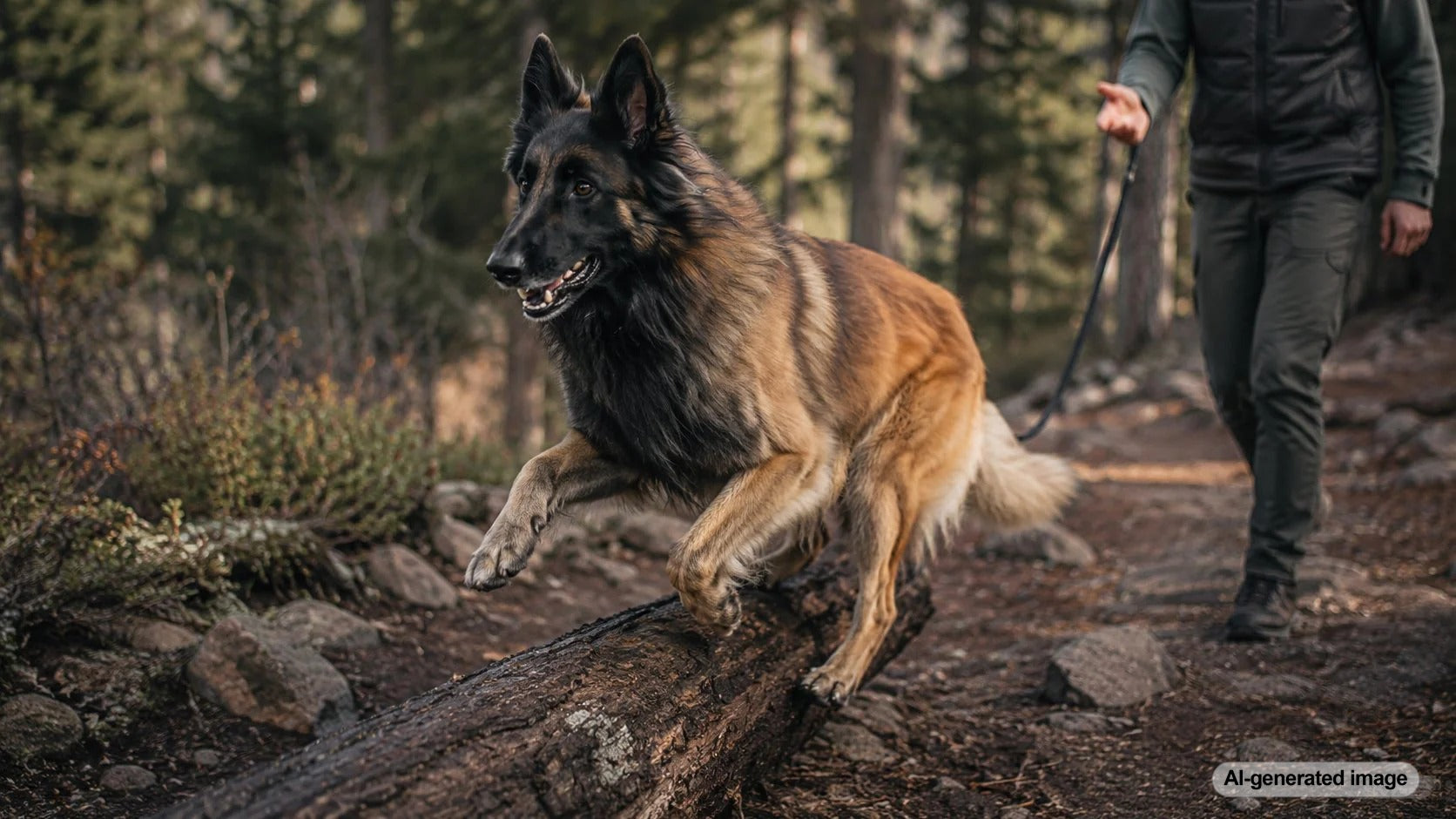
Some dog owners want a mellow couch buddy, and some want a dog who makes them earn every win. The Best Dog Breeds for Owners Who Want a Training Challenge are usually smart, athletic, opinionated, sensitive, or bred to make decisions without constant human direction. These dogs can be incredibly rewarding, but they are not a good fit for owners who want training to stop after sit, stay, and a few polite leash walks.
A true training challenge is not the same as a bad dog. Many challenging breeds are brilliant, loyal, funny, and deeply bonded to their people. The challenge is that their brains and bodies need a job, and when owners do not provide one, the dog may invent work like chasing shadows, shredding pillows, barking at every sound, herding kids, escaping the yard, or turning dinner into a 12-second event.
What Makes a Dog Breed a Training Challenge?
Training challenge breeds usually have one or more traits that require extra skill. Some are extremely intelligent and get bored quickly. Some have intense prey drive. Some were bred to herd, guard, pull, hunt, or patrol with independence. Others are sensitive and shut down with harsh handling, but push boundaries when routines are inconsistent.
Owners often misunderstand these dogs because they look at intelligence and assume easy training. A smart dog may learn cues quickly, but that same dog may also learn how to open the pantry, ignore you at the park, or create new games when under-stimulated. With these breeds, training is not just about obedience. It is about channeling instinct into safe, repeatable habits.
1. Border Collie
Border Collies are famous for their brainpower and work ethic. For the right owner, they can be joyful training partners for agility, trick training, scent games, advanced obedience, and sports. For the wrong owner, they can become intense, restless, and obsessive.
The challenge is that a tired body is not always enough. A Border Collie may need problem-solving, impulse control, and clear transitions from work to rest. Teach settle cues early, rotate brain games, and avoid accidentally rewarding constant demand behavior.
2. Australian Cattle Dog
Australian Cattle Dogs are tough, clever, and often very loyal to their chosen people. They were built for hard work, quick reactions, and persistence, which can show up at home as nipping, chasing, guarding, or stubbornness if their needs are not met.
These dogs often do best with owners who enjoy structure. Short training sessions, clear rules, controlled fetch, tug with release cues, and food puzzles can help give that working brain something useful to do.
3. Belgian Malinois
The Belgian Malinois is not just a high-energy dog. Many are high-drive, fast-thinking, and intense. They can be outstanding working dogs, but they are often too much for casual homes that want a simple companion.
A Malinois typically needs experienced handling, careful socialization, impulse control, and a safe outlet for gripping, chasing, searching, and movement. If you are drawn to this breed, spend time with reputable trainers and breed experts before bringing one home.
4. Siberian Husky
Siberian Huskies are social, athletic, and famously independent. Their challenge is less about lacking intelligence and more about motivation. A Husky may understand what you want and still decide the squirrel, open gate, or next adventure is more interesting.
Reliable containment, leash manners, recall practice in safe areas, and enrichment are especially important. Huskies often enjoy pulling sports, sniff walks, frozen enrichment, and games that let them use their energy without rehearsing escape-artist behavior.
5. Jack Russell Terrier
Jack Russell Terriers may be small, but they are not low-effort dogs. They are busy, bold, prey-driven, and quick to notice patterns. They can be hilarious and affectionate, but they need more than a quick walk around the block.
Training should focus on impulse control, safe digging outlets, recall foundations, and appropriate chew or chase games. Owners should expect a dog who wants to participate in life, not watch it from the sidelines.
6. German Shepherd Dog
German Shepherd Dogs are intelligent, loyal, and versatile, but they need thoughtful training and socialization. Without it, their protective instincts, sensitivity, and energy can become hard to manage.
These dogs often thrive when they know what to do. Practice polite greetings, calm leash work, mat training, confidence-building, and controlled play. If fearfulness, reactivity, or guarding appears, work with a qualified trainer early instead of waiting for the behavior to grow.
7. Australian Shepherd
Australian Shepherds are energetic herding dogs that often love learning. The challenge is their alertness and tendency to create motion-based jobs. They may chase bikes, bark at movement, shadow their owner, or try to herd children and other pets.
Aussies benefit from daily mental work, predictable routines, and decompression time. Try short training games, scent work, slow feeding, and settle practice after exercise so the dog learns how to switch off.
8. Basenji
Basenjis are clever, clean, athletic, and independent. They are often described as catlike because they may not respond to repetition the way many people expect from traditional obedience training.
Training a Basenji works best when rewards are meaningful and sessions stay short. Management matters too. A bored Basenji with access to counters, trash, or loose doors may turn everyday life into a puzzle you did not mean to create.
9. Shiba Inu
Shiba Inu are compact, expressive, and independent. They can be devoted to their people while still having strong opinions about handling, recall, and what feels worth their attention.
Early positive handling practice, leash safety, socialization, and reward-based training are important. Many Shibas do best when owners respect their independence while still keeping boundaries consistent.
10. Guardian and Working Breeds
Some guardian and powerful working breeds can be training challenges because they mature slowly, think independently, or have strong protective instincts. This may include breeds like Akitas, Rottweilers, Doberman Pinschers, Great Pyrenees, and similar dogs depending on the individual and breeding line.
These dogs need more than strength from the owner. They need calm leadership, early socialization, safe management, body-language awareness, and professional guidance when needed. The goal is not to overpower the dog. The goal is to build trust, predictability, and reliable habits.
Helpful Training Tools for Challenge Breeds
For smart or high-drive dogs, enrichment can make training easier because it gives the dog legal outlets for thinking, licking, chewing, sniffing, and problem-solving. Food puzzles, lick mats, slow feeders, chew sessions, and frozen enrichment can be especially useful after walks, before guests arrive, during crate practice, or when you need to help your dog shift from busy to settled.
For dogs who need longer-lasting distraction, The Pupsicle can be a helpful part of an enrichment routine because it gives dogs a focused licking and treat-based activity. For dogs who need a mix of movement and brain work, Walkabout can turn meals or treat time into a rolling slow-feeder puzzle. Always supervise new toys and choose the right size and style for your dog.
Quick Breed Fit Comparison
| Breed type | Common challenge | What helps most |
|---|---|---|
| Herding breeds | Chasing, nipping, motion sensitivity, boredom | Impulse control, brain games, structured exercise, settle cues |
| Sledding breeds | Independence, pulling, escape attempts, weak recall | Secure management, leash skills, pulling outlets, sniff-based enrichment |
| Terriers | Prey drive, digging, barking, persistence | Reward-based training, safe chase games, digging outlets, chew routines |
| Guardian breeds | Protectiveness, suspicion, slow maturity, size management | Early socialization, calm handling, professional support, consistency |
Are You Ready for a Training Challenge Breed?
Ask yourself what your average Tuesday looks like, not your dream hiking weekend. Can you provide daily exercise, training, enrichment, and calm structure when you are busy, tired, or traveling? Can everyone in the home follow the same rules? Are you willing to get professional help early if your dog struggles?
A challenging breed can be one of the most rewarding dogs you will ever love. But the match should be honest. Choose the dog in front of you, not just the breed reputation, and remember that rescue dogs, mixed breeds, and individual personalities can vary widely.
Dog Parent FAQs
Are challenging dog breeds bad for first-time owners?
Not always, but they usually require more preparation. A first-time owner with time, patience, support, and realistic expectations may do well. A busy owner who wants an easy, low-maintenance dog may struggle.
What is the hardest part of training a smart dog?
The hardest part is often consistency. Smart dogs notice patterns quickly, including the times rules do not apply. Clear routines, short sessions, and rewarding the behavior you want can help.
Can enrichment help with difficult dog behavior?
Enrichment may help reduce boredom and give dogs a healthy outlet, but it does not replace training, exercise, or professional behavior support. If your dog shows sudden behavior changes, aggression, panic, pain, or distress, ask your veterinarian or a qualified trainer for help.
Which breed is best if I want advanced training?
Border Collies, Australian Shepherds, German Shepherd Dogs, and Australian Cattle Dogs can be excellent for advanced training when their needs are met. The best choice depends on your lifestyle, experience, home setup, and preferred activities.
The Bottom Line
The best dog breeds for owners who want a training challenge are not for people who want a dog to simply blend into the background. They are for people who enjoy teaching, problem-solving, practicing, adjusting, and celebrating small wins. With the right match, a challenging dog can become a brilliant partner, a daily motivator, and a whole lot of fun.


