






































































The Best Dog Breeds for Owners Who Want a Dog That Settles Indoors is really a question about lifestyle fit, not just cuteness. Some dogs naturally love a quiet afternoon on the couch after their needs are met, while others need a much bigger outlet for running, sniffing, chasing, and problem-solving. The best match is usually a breed or breed mix with a calmer temperament, realistic exercise needs, and an owner who understands that even low-key dogs still need daily enrichment, movement, and connection.
A dog who settles indoors is not necessarily lazy, and a high-energy dog is not being naughty when they pace, bark, chew, or pester for attention. Dogs settle best when their body and brain have had enough appropriate activity. Breed tendencies can help guide your search, but age, training, health, socialization, and daily routine matter just as much.
What Does It Mean for a Dog to Settle Indoors?
A dog that settles indoors can relax when nothing exciting is happening. They may nap near your desk, chew calmly on an appropriate toy, watch the room without reacting to every sound, or enjoy a slow enrichment activity while you cook dinner. This does not mean the dog never gets playful, never barks, or never needs exercise.
Many owners misunderstand settling as something dogs automatically know how to do. In reality, settling is partly temperament and partly practice. Puppies, adolescent dogs, and newly adopted dogs often need help learning that the house is not always playtime. A predictable routine, comfortable rest spot, regular potty breaks, short training sessions, and calming activities can make indoor relaxation much easier.
Best Breed Types for Owners Who Want a Calmer Indoor Dog
Breed is not a guarantee, but it can give you clues. A responsible breeder, rescue, or shelter should be honest about the individual dog in front of you, not just the breed label. Here are several groups that often appeal to people who want a dog that can relax inside.
Cavalier King Charles Spaniel
Cavaliers are affectionate companion dogs that often enjoy being close to their people. Many are happy with daily walks, gentle play, and cuddle time. They can be a lovely fit for apartment dwellers, seniors, first-time dog parents, and families who want a sweet, people-oriented dog. Ask about health screening, since responsible breeding and regular veterinary care are especially important.
Greyhound
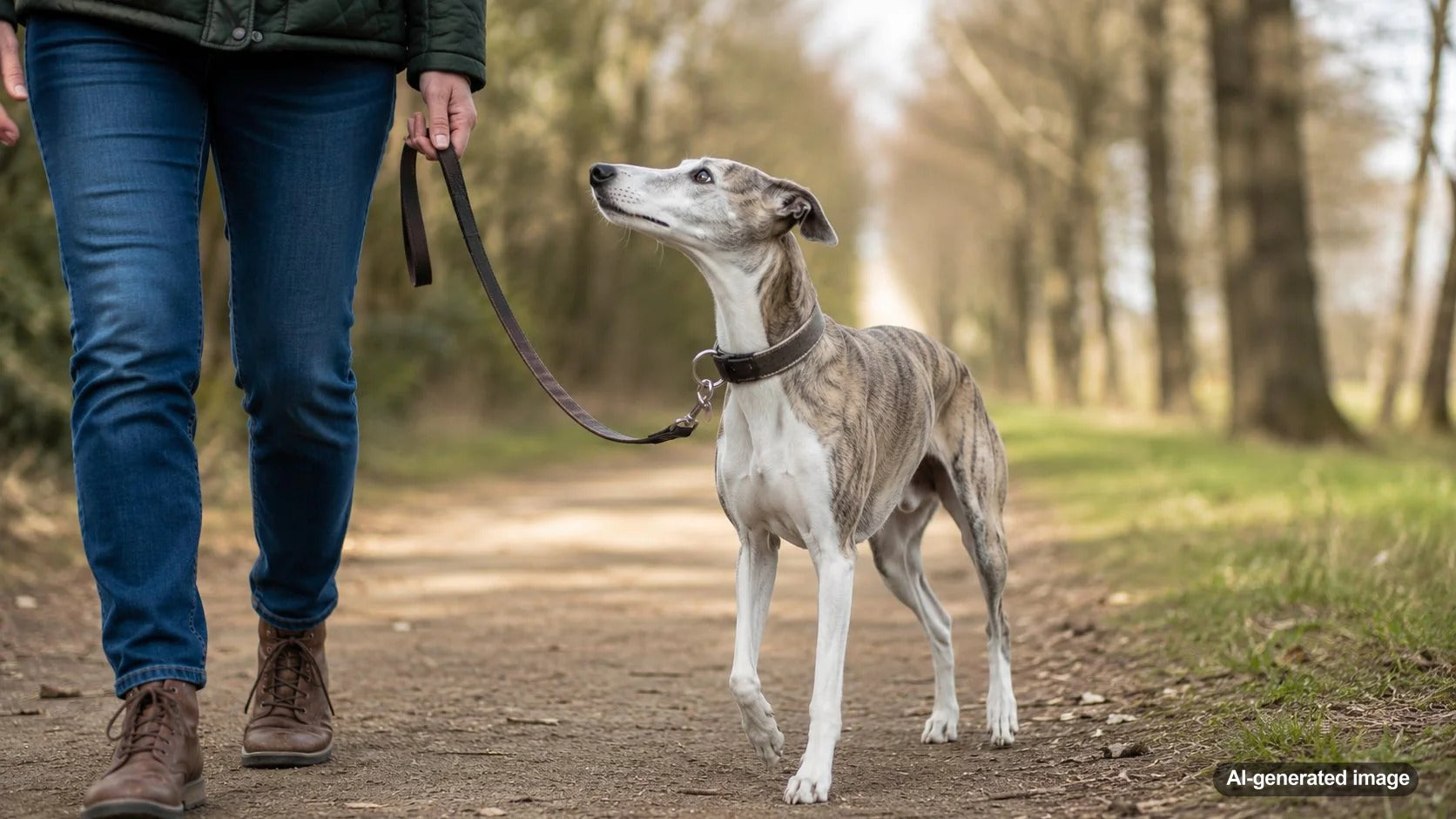
Greyhounds surprise many people because they are fast athletes outside but often calm loungers indoors. They usually appreciate soft beds, peaceful routines, and a few good walks or safe chances to stretch their legs. Because they are sighthounds, many have a strong chase instinct, so secure leashes, fenced areas, and careful introductions around small animals matter.
Whippet
Whippets are smaller than Greyhounds but share that sprint-then-snuggle style. They can be playful and speedy outdoors, then curl into a quiet little crescent on the sofa. They usually do best with gentle handling, warmth in cold weather, and safe spaces to run where they cannot bolt after wildlife.
Basset Hound
Basset Hounds are often mellow, steady, and charmingly stubborn. Their noses are powerful, so sniffy walks can be more satisfying than fast-paced jogs. They may not be the right match for someone who wants pristine silence, because some Bassets can be vocal, but many are excellent indoor companions when their scent-driven brain gets a daily outlet.
Shih Tzu
Shih Tzus were bred for companionship, and many enjoy a cozy indoor lifestyle with short walks and lots of human interaction. Their coat needs regular grooming, so they are best for owners who are ready for brushing, professional grooming, or a practical haircut schedule.
Bulldog and French Bulldog
Bulldogs and French Bulldogs are popular with people who want a smaller activity footprint, but they need extra care in heat, humidity, and heavy exercise because of their short noses. Calm indoor life can suit them well, but owners should watch breathing comfort, weight, skin folds, and heat exposure. Ask your veterinarian about safe activity levels.
Great Dane and Newfoundland
Some giant breeds are gentle indoor shadows when mature, especially if they have enough space to stretch out and a routine that protects growing joints. Their size changes everything: food costs, vet care, car space, drool, shedding, and bed size. For the right home, they can be deeply calm and affectionate companions.
Senior Dogs May Be the Best-Kept Secret
If your dream dog settles indoors, do not overlook adult and senior dogs. Puppies are wonderful, but they are rarely calm by default. An adult dog from a rescue or shelter may already show you their true energy level, noise habits, leash manners, and favorite way to relax. Many older dogs still love walks, toys, treats, and training, but they may not need the constant supervision and chaos that comes with puppyhood.
Ask specific questions: Does the dog nap when people are home? Do they bark at hallway sounds? Are they comfortable alone for short periods? Do they chew household items? Have they lived with kids, cats, or other dogs? The answers tell you more than the breed name alone.
Breeds That May Be Harder for a Quiet Indoor Lifestyle
Some dogs can absolutely learn to settle, but their needs may be more intense than a quiet-home owner expects. Many herding breeds, working breeds, terriers, and sporting dogs were developed for stamina, problem-solving, chasing, retrieving, guarding, or close teamwork. Without enough outlets, they may invent jobs like policing the windows, shredding pillows, chasing kids, barking at every sound, or bringing you a toy every three minutes.
This does not make them bad dogs. It means they may need more structured exercise, training, enrichment, and management than a naturally calmer companion breed. If you love these breeds, be honest about your time, energy, training interest, and tolerance for busy dog behavior.
How to Help Any Dog Settle Indoors
Even the calmest breed needs a routine. A simple settle-friendly day might include a morning potty walk, a sniff session, a short training game, breakfast in an enrichment toy, a long nap, an afternoon walk, and a calming evening activity. Dogs often relax more easily when they can predict what happens next.
Licking, chewing, and sniffing can be especially useful because they give dogs something focused and species-appropriate to do. For example, FlipMat can turn a small portion of food or a dog-safe spread into a slower, calmer enrichment session. For dogs who do best with longer-lasting treat play, The Pupsicle can be part of a post-walk decompression routine while you answer emails or start dinner.
Simple Breed Fit Comparison
| Dog type | Why owners like them indoors | What to consider |
|---|---|---|
| Companion breeds | Often people-focused, affectionate, and comfortable in smaller homes | May need grooming, socialization, and help with alone time |
| Sighthounds | Often relaxed inside after exercise and love soft resting spots | May have strong chase instincts and need secure outdoor management |
| Scent hounds | Can be mellow and satisfied by sniffing activities | May be vocal, food-motivated, or stubborn during training |
| Giant gentle breeds | Often calm as adults and deeply bonded to family | Need space, budget planning, joint-conscious exercise, and training |
| Senior mixed breeds | Personality and energy level are often easier to evaluate | May have medical or mobility needs worth discussing with a vet |
When Settling Problems Need Extra Help
If your dog suddenly cannot settle, seems painful, pants heavily at rest, paces at night, drools excessively, loses appetite, has vomiting or diarrhea, becomes unusually clingy, or shows major behavior changes, check with your veterinarian. If the issue looks like separation anxiety, fear, reactivity, or escalating destructive behavior, a qualified positive-reinforcement trainer or veterinary behavior professional can help you build a safer plan.
Products and routines may support calm, but they are not replacements for medical care, training, or behavior support when a dog is truly struggling.
Dog Parent FAQs
What is the calmest dog breed for indoors?
There is no single calmest breed for every home. Cavaliers, Greyhounds, Whippets, Basset Hounds, Shih Tzus, and some giant breeds are often good places to start, but the individual dog's personality matters most.
Are small dogs always better for apartments?
No. Some small dogs are very alert, vocal, or high-energy. A larger adult Greyhound may be calmer indoors than a busy little terrier, depending on the dog and routine.
Can a high-energy dog learn to settle?
Many can, but they usually need enough exercise, mental work, training, and consistency first. Settling is easier when the dog is not under-stimulated, over-tired, anxious, or confused about expectations.
What should I try first if my dog will not relax inside?
Start with a predictable routine, a decompression walk with sniffing, a calm resting area, and a safe enrichment activity like licking or chewing. If the behavior is intense, sudden, or stressful for your dog, ask a veterinarian or qualified trainer for guidance.
The Bottom Line on Calm Indoor Dogs
The best dog breeds for owners who want a dog that settles indoors are usually the ones whose needs match the home honestly. Look beyond size and cuteness. Think about energy, noise, grooming, health, age, prey drive, training needs, and how much daily structure you can provide.
A peaceful indoor dog is not created by breed alone. It comes from choosing thoughtfully, meeting your dog's needs, and building little routines that make calm behavior easy to repeat. When the match is right, your dog gets what they need, and your home feels a lot more relaxed for both of you.


