






































































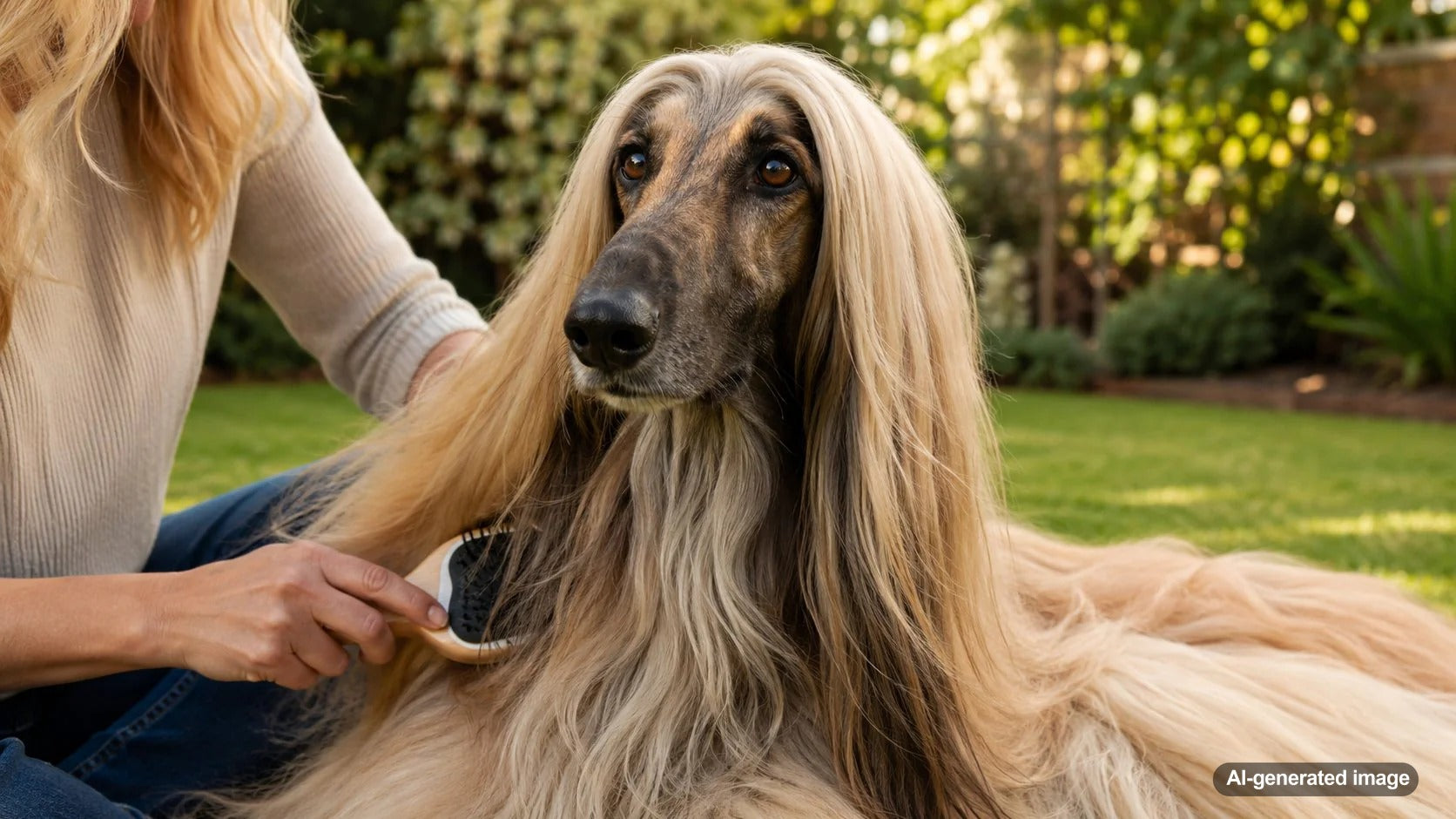
For some dog owners, brushing a coat, cleaning little faces, trimming nails, and arranging regular salon appointments are not chores. They are comforting rituals and meaningful ways to bond with a dog. The best breeds for these owners include Poodles, Bichon Frises, Shih Tzus, Maltese, Afghan Hounds, Havanese, Yorkshire Terriers, and Portuguese Water Dogs, all of which reward consistent care with beautiful, touchable coats.
These breeds are not simply decorative. Each has its own temperament, exercise needs, coat texture, and tolerance for handling. Loving grooming helps, but the right match still depends on whether you want a tiny lap dog, an athletic companion, or a glamorous larger breed with a serious coat-care schedule.
Poodle: The Ultimate Creative Grooming Companion
Poodles come in Toy, Miniature, and Standard sizes, but every variety has a dense, curly coat that continues growing and requires regular attention. Owners can choose practical short clips, fuller teddy-bear styles, or more elaborate trims.
Brushing must reach down toward the skin rather than skimming over the curls. Otherwise, tight mats can develop beneath a fluffy surface, especially around the ears, legs, collar area, and armpits. Poodles are also highly intelligent, so calm handling practice and reward-based training can make grooming sessions engaging rather than frustrating.
Bichon Frise: A Powder-Puff Project With Plenty of Personality
The Bichon Frise is ideal for someone who finds satisfaction in maintaining a soft, rounded silhouette. Its continuously growing coat benefits from frequent combing and professional trimming, often on a four-to-six-week schedule depending on the chosen style.
The practical challenge is preventing tangles close to the skin. Tear staining may also make gentle face cleaning part of the daily routine. Bichons are cheerful companion dogs, but their plush appearance requires much more than an occasional surface brushing.
Shih Tzu: Silky Coat Care With Flexible Styling Options
A long-coated Shih Tzu can turn brushing, combing, facial cleaning, and topknot care into a daily ritual. Owners who prefer a simpler routine can choose a shorter puppy clip, although regular brushing and salon visits are still needed.
Pay special attention to the ears, beard, feet, and areas where a harness creates friction. Because the breed has prominent eyes and a short muzzle, facial care should be gentle. Redness, squinting, unusual discharge, persistent odor, or irritated skin should be discussed with a veterinarian.
Maltese: A Small Dog With a High-Maintenance Coat
The Maltese has a fine, silky white coat that can tangle quickly, particularly behind the ears and where the legs meet the body. A full-length coat calls for careful daily combing, while a shorter trim makes maintenance more manageable without eliminating it.
This breed can be a good fit for owners who enjoy detail work. Face wiping, paw cleaning, nail care, and gentle detangling all become part of the routine. Because the coat is delicate, pulling through knots can be uncomfortable, so small tangles should be addressed before they tighten.
Afghan Hound: Maximum Glamor for Dedicated Groomers
Few dogs offer a grooming experience as dramatic as the Afghan Hound. Its long, flowing coat requires thorough bathing, careful drying, and methodical brushing. This is not usually a quick brush before breakfast. Coat care may become a scheduled weekly event.
Afghans are also athletic, independent dogs that need room to move and appropriate exercise. They are best for someone who loves both the elegance of a meticulously maintained coat and the personality of a large, sensitive sighthound.
Havanese: A Cheerful Companion With a Versatile Coat
The Havanese has a long, soft coat that can be maintained naturally, corded by experienced owners, or kept in a shorter companion trim. Its coat is prone to tangling, particularly during the transition from puppy coat to adult coat.
This social breed often enjoys staying close to its people, which can make grooming a pleasant shared routine when handling is introduced gradually. A lick-based distraction can help some dogs remain settled during brushing or drying. For example, FlipMat Mini provides a portable textured surface for a dog-safe spread while you work on one small section at a time.
Yorkshire Terrier: Tiny Dog, Detailed Grooming Routine
A Yorkshire Terrier's fine coat can be grown long and silky or clipped into a practical shorter style. Either option requires consistency. Fine hair tangles easily, and the face, ears, feet, and sanitary areas need regular attention.
Yorkies are small but often confident and energetic. Start handling the paws, muzzle, ears, and tail during relaxed moments. Pairing brief sessions with tiny rewards, such as Love Nuggets, may help build positive associations without turning every brushing session into a large snack.
Portuguese Water Dog: Grooming for an Active Lifestyle
Portuguese Water Dogs suit owners who want an athletic companion and a coat-care commitment. Their curly or wavy coats require regular brushing and clipping, especially after swimming or outdoor adventures where moisture and debris can encourage tangles.
This energetic breed needs mental stimulation and physical activity in addition to grooming. Owners should be ready for training, exercise, coat drying, ear care, and routine professional trims rather than choosing the breed for its coat alone.
How to Make Grooming a Ritual Your Dog Enjoys
- Begin with sessions lasting one or two minutes, especially with puppies.
- Practice touching paws, ears, the muzzle, and the tail before introducing tools.
- Use a brush and comb suited to the dog's specific coat texture.
- Work through the coat in small sections and check close to the skin.
- Reward calm behavior without forcing a frightened or painful dog to continue.
- Schedule professional grooming before the coat becomes heavily matted.
Owners sometimes misunderstand grooming tolerance as something a dog either naturally has or does not have. In reality, cooperative grooming is often trained through repetition. Place the dog on a secure, nonslip surface, introduce one tool at a time, and stop before patience runs out.
Dog Parent FAQs
Which dog breed needs the most grooming?
Afghan Hounds, Poodles in elaborate clips, and long-coated Shih Tzus are among the most grooming-intensive choices. The workload varies greatly depending on coat length and style.
Are low-shedding dogs low maintenance?
No. Many low-shedding coats keep growing and trap loose hair, which means they may require more brushing, clipping, and professional grooming than some shedding breeds.
How often should a high-maintenance dog visit a groomer?
Many need appointments approximately every four to eight weeks, but coat type, haircut, lifestyle, and home maintenance can change the schedule. Ask an experienced groomer what is appropriate for your dog.
What should I do if my dog hates being brushed?
Use very short sessions, start on an easy body area, reward calm behavior, and stop before the dog becomes overwhelmed. A qualified trainer or cooperative-care groomer can help with persistent fear or defensive behavior.
A Beautiful Coat Starts With the Right Match
The best grooming breed is not automatically the dog with the longest coat. It is the breed whose personality, activity level, size, and maintenance needs fit your life. When you genuinely enjoy the routine, brushing and bathing can become predictable moments of care that help you notice changes in your dog's skin, coat, ears, paws, and overall comfort.
Choose with the full commitment in mind, introduce grooming gently, and use professional support when needed. The result is not just a beautiful dog, but a dog who feels safe and understood during everyday care.


