






































































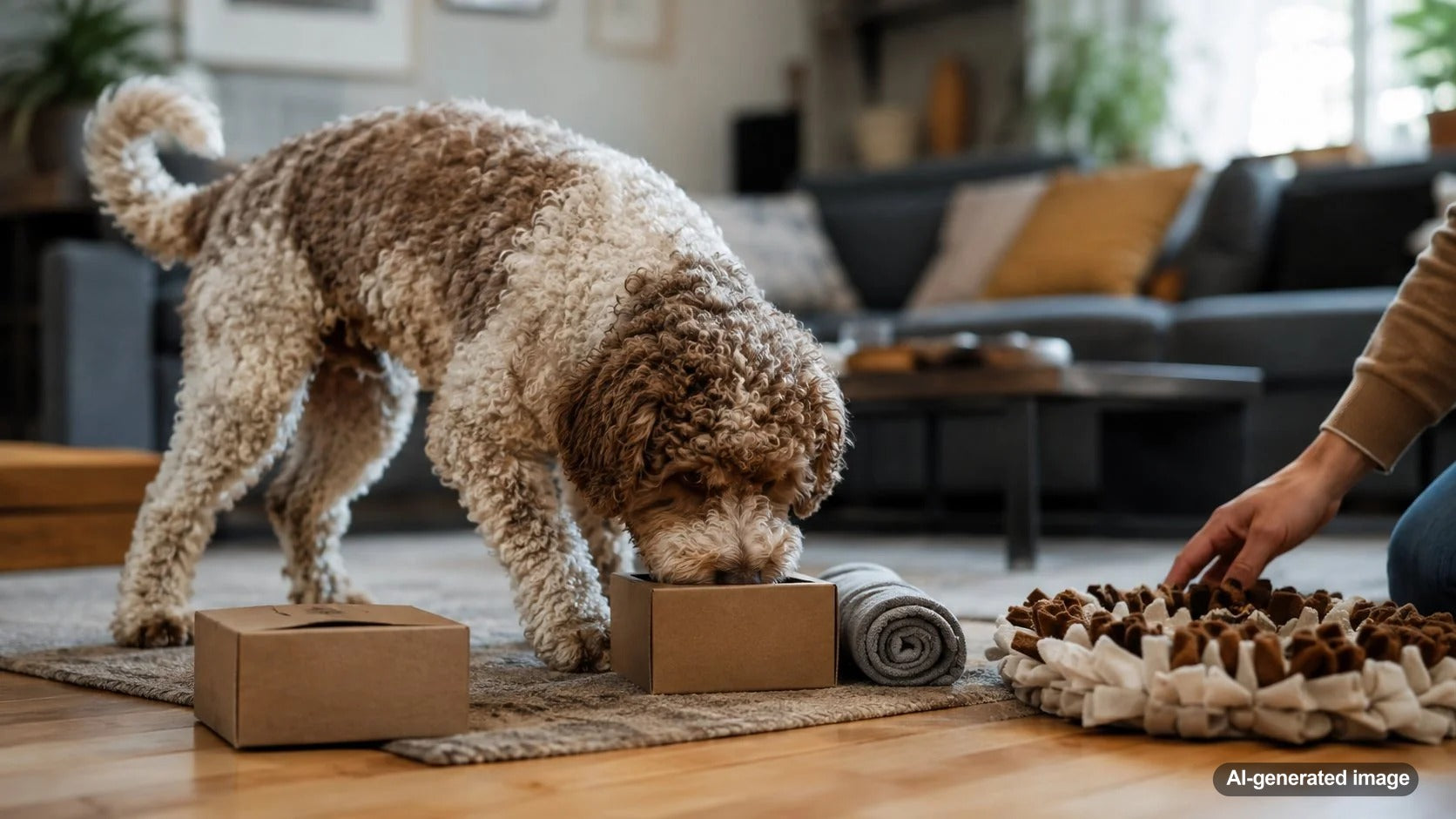
Some dogs investigate every walk as if the neighborhood has been covered in invisible clues. They pause at mailboxes, study patches of grass, and follow scent trails that make no sense to the person holding the leash. For owners who enjoy hiding treats, building search challenges, and watching a dog solve problems nose-first, choosing a breed with strong scenting instincts can lead to an especially rewarding partnership.
The best scent-game companions are not limited to traditional hounds. Retrievers, spaniels, shepherds, and many mixed-breed dogs can also become enthusiastic searchers. Breed tendencies provide a helpful starting point, but an individual dog's motivation, confidence, energy level, and willingness to work with a person matter just as much.
Bloodhound: The Dedicated Trail Specialist
Bloodhounds are famous for following scent trails, and their patient, methodical working style can be mesmerizing to watch. They are especially well suited to tracking-style games in which a person walks a route and leaves a scented object or reward at the end.
That remarkable nose comes with practical considerations. A Bloodhound may become deeply absorbed in a trail and tune out everything else, so secure areas, a long line, and reliable supervision are essential. Their size, drool, strength, and exercise needs also make them a better fit for owners who are prepared for a large, determined dog.
Beagle: The Compact Scent-Game Enthusiast
Beagles pack serious scenting drive into a manageable, cheerful package. Many eagerly search for hidden food, making them natural participants in beginner games such as finding treats under cups, searching cardboard boxes, or following a short trail through the yard.
Because Beagles can be independent and easily distracted outdoors, owners should expect to practice recall carefully and use a leash or securely fenced space. Their food motivation can be useful during training, but rewards should be small and included in the dog's normal daily calorie allowance.
Basset Hound: The Slow and Steady Searcher
Basset Hounds tend to work closer to the ground, following scent with persistence rather than speed. Their deliberate pace can be ideal for owners who prefer thoughtful backyard searches and relaxed indoor nose-work sessions instead of fast, athletic dog sports.
Keep searches physically comfortable. Avoid asking a Basset Hound to jump repeatedly, climb steep obstacles, or scramble across slippery floors. Short sessions with ground-level hides can challenge the nose without placing unnecessary strain on the body.
Labrador Retriever: The Versatile Team Player
Labrador Retrievers combine strong scenting ability with enthusiasm, trainability, and a desire to work alongside people. They may enjoy everything from casual treat hunts to structured odor searches. Their playful nature also makes it easy to use a favorite toy as the search target when food is not the best reward.
Labs can become overexcited and rush through a search, especially as young dogs. Begin with simple hides and reward careful investigation rather than frantic movement. Gradually increasing difficulty helps build concentration and prevents guessing.
English Springer Spaniel: The Energetic Area Searcher
English Springer Spaniels were developed to search through cover, making many of them enthusiastic, active scent-game partners. They often enjoy moving through a room or yard to locate several hidden targets and may thrive with owners who want scent work to be part of an energetic daily routine.
Their speed and excitement can be an advantage, but clear start and finish cues are helpful. Without structure, an eager spaniel may continue searching long after the game is over. A calm reward activity, such as time with The Pupsicle, can create a predictable transition from active searching to settling down.
German Shepherd Dog: The Focused Working Partner
German Shepherd Dogs are intelligent, responsive, and commonly associated with detection and tracking work. Many enjoy learning precise search routines and communicating a clear alert when they locate the target. They can be a strong choice for owners interested in progressing beyond casual games into classes or organized scent activities.
These dogs usually need more than an occasional puzzle. Consistent training, physical exercise, socialization, and appropriate outlets for working energy are important. Owners should choose challenges that build confidence rather than creating frustration or excessive intensity.
Belgian Malinois: The High-Drive Scent Athlete
A Belgian Malinois may approach scent work with extraordinary speed, stamina, and focus. For experienced handlers who enjoy frequent training and detailed skill development, the breed can be an impressive partner.
However, scent ability alone does not make the Malinois the right household dog for every nose-work fan. Many require substantial daily exercise, purposeful training, and careful management. A casual weekend game is unlikely to satisfy a dog bred for sustained activity and demanding work.
| Breed | Typical Search Style | Good Match For |
|---|---|---|
| Bloodhound | Slow, persistent trailing | Owners interested in outdoor tracking |
| Beagle | Food-driven, enthusiastic searching | Families wanting compact, playful hounds |
| Basset Hound | Ground-level, methodical searching | Owners who prefer lower-speed games |
| Labrador Retriever | Versatile and handler-oriented | Active homes wanting many training options |
| English Springer Spaniel | Fast, energetic area searches | Owners who enjoy active daily training |
| German Shepherd Dog | Focused, structured detection work | Committed trainers seeking precision |
| Belgian Malinois | Intense, fast, high-drive searching | Experienced working-dog handlers |
How to Start Scent Games at Home
Begin by letting your dog watch you place a treat a few feet away. Use a cue such as "find it," then praise the dog for locating the reward. Once the idea is clear, hide treats behind furniture, inside open boxes, or beneath lightweight cups that the dog can safely investigate.
Keep early sessions to three or four successful searches. Use dry, aromatic rewards that are easy to handle, such as small pieces of Woof Puzzle Treats. Avoid placing food near cleaning products, medications, electrical cords, sharp objects, or anything the dog should not disturb.
Choose the Individual Dog, Not Just the Breed
A breed known for scenting may still prefer fetch, tug, or social play, while a mixed-breed rescue may reveal exceptional search talent. Puppies need short, easy games that protect growing bodies. Senior dogs may appreciate slower searches with accessible hides, especially when running and jumping have become uncomfortable.
Stop if your dog appears stressed, repeatedly disengages, begins destroying containers, or becomes possessive around food. Sudden changes in interest, appetite, movement, breathing, or behavior should be discussed with a veterinarian. A qualified trainer can also help adapt scent games for fearful, reactive, or highly excitable dogs.
Dog Parent FAQs
Can any dog learn scent games?
Yes. Dogs of nearly every breed, size, and age can enjoy appropriately designed scent games. Motivation and confidence often matter more than pedigree.
How long should a scent-game session last?
Many dogs do well with sessions lasting about five to ten minutes. Stop while the dog is still interested rather than continuing until attention fades.
Are scent games enough exercise for a dog?
Scent games provide valuable mental activity, but most dogs still need suitable physical exercise, social interaction, rest, and other forms of enrichment.
Should I hide essential oils for my dog to find?
Casual beginners should start with food or a favorite toy. Structured odor training is best learned through a qualified scent-work instructor who can explain safe handling and storage.
Follow the Nose That Fits Your Life
The best scent-game breed is one whose overall needs match your household, experience, and available time. A Beagle may delight a family that enjoys playful treat hunts, while a German Shepherd Dog may suit someone eager to practice structured detection skills. Whatever dog shares your home, creating safe opportunities to sniff, search, and solve can turn an ordinary day into meaningful enrichment.


