











































The Best Dog Breeds for Multi-Pet Families starts with a simple truth: breed can help guide your search, but personality, training, age, prey drive, and introductions matter just as much. Some dogs are naturally social, patient, and eager to share space, while others need more structure before they can relax around cats, small pets, or another dog. If your home already has paws, whiskers, feathers, or tiny feet, the best match is usually a dog who can stay calm, read signals, and settle without turning every interaction into a wrestling match.
A multi-pet home can be joyful, busy, and occasionally chaotic. One dog may want to play, the cat may want the couch to herself, and your older pet may need a peaceful corner away from puppy energy. Choosing a breed known for friendliness can give you a head start, but the real win comes from pairing the right dog with the right routine.
What Makes a Dog Breed Good for a Multi-Pet Home?
The best multi-pet dogs tend to have three big qualities: sociability, impulse control, and adaptability. Sociability helps them enjoy companionship instead of guarding every toy or lap. Impulse control helps when a cat darts across the room or a small dog squeaks during play. Adaptability helps them handle shared routines, rotating attention, different feeding spots, and quiet time.
Pet parents often focus on size first, but temperament matters more. A tiny dog with a strong chase instinct may be harder for cats than a large, gentle dog who mostly wants to nap nearby. Puppies can learn to live with other animals, but they also bring mouthing, jumping, and constant curiosity. Adult dogs may be easier to evaluate because you can see how they respond to other pets before committing.
Best Dog Breeds for Multi-Pet Families
| Breed | Why It Can Work Well | Best Fit |
|---|---|---|
| Golden Retriever | Typically friendly, patient, and people-focused, with a soft social style when well trained. | Families with dogs, kids, and confident cats. |
| Labrador Retriever | Outgoing, trainable, and usually happy to join an active household. | Homes that can provide exercise and structure. |
| Cavalier King Charles Spaniel | Affectionate and gentle, often less intimidating to cats and small dogs. | Apartments, calmer homes, and cuddle-loving families. |
| Poodle | Smart, trainable, and available in toy, miniature, and standard sizes. | Families who enjoy training and mental enrichment. |
| Bichon Frise | Cheerful, friendly, and often playful without being overwhelming. | Small-dog homes and social households. |
| Pug | Companionable and usually more interested in people than chasing. | Laid-back homes with gentle play expectations. |
| Collie | Loyal, sensitive, and responsive, especially with consistent guidance. | Active families that can manage herding tendencies. |
| Beagle | Social and pack-oriented, often happy with another dog companion. | Dog-friendly homes that can supervise around small pets. |
| Newfoundland | Gentle, steady, and often patient despite their large size. | Homes with space and owners prepared for grooming and size. |
Golden Retrievers and Labrador Retrievers: Friendly All-Arounders
Goldens and Labs are popular for good reason. They are often social, trainable, and enthusiastic about family life. In a multi-pet home, that can translate into a dog who is happy to coexist, learn house rules, and respond to redirection when play gets too intense.
The main watchout is energy. A young Lab barreling toward a senior cat is not being mean, but the cat may not care about the intent. These breeds do best with daily exercise, reward-based training, and structured downtime so their friendliness does not become too much for quieter pets.
Cavaliers, Bichons, and Pugs: Small Dogs With Big Companion Energy
For homes with cats, small dogs, or older pets, a gentle companion breed can be a beautiful fit. Cavalier King Charles Spaniels are often affectionate and people-oriented. Bichon Frises tend to be cheerful and social. Pugs are usually happy to be included in the group without needing to win every race around the living room.
Small does not automatically mean easy, though. Little dogs still need training, safe boundaries, and protected rest spaces. Teach polite greetings, prevent rough play, and avoid letting larger pets crowd them just because they are cute and tolerant.
Poodles, Collies, and Other Smart Breeds Need Brain Work
Poodles and Collies can be fantastic in multi-pet families because they are bright, responsive, and often tuned in to their people. That intelligence is a gift, but it also means boredom can show up as barking, pacing, toy stealing, or inventing games the cat did not agree to play.
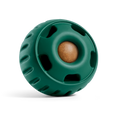
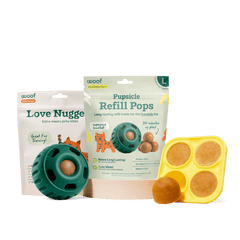
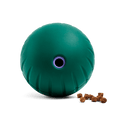
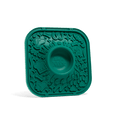
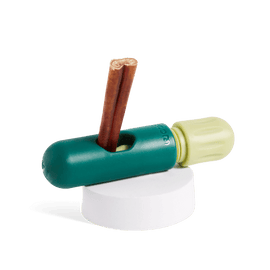
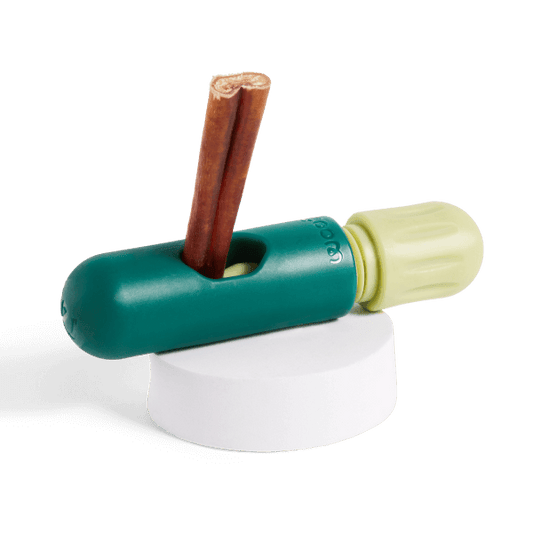
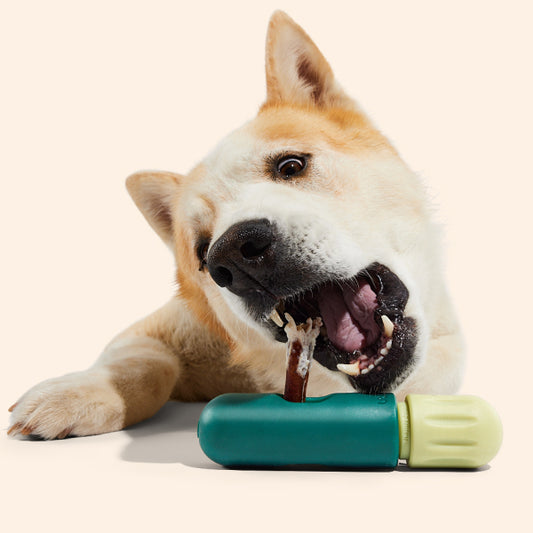
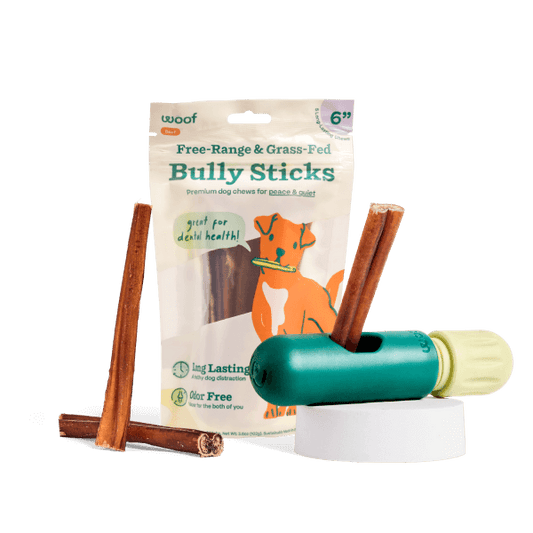
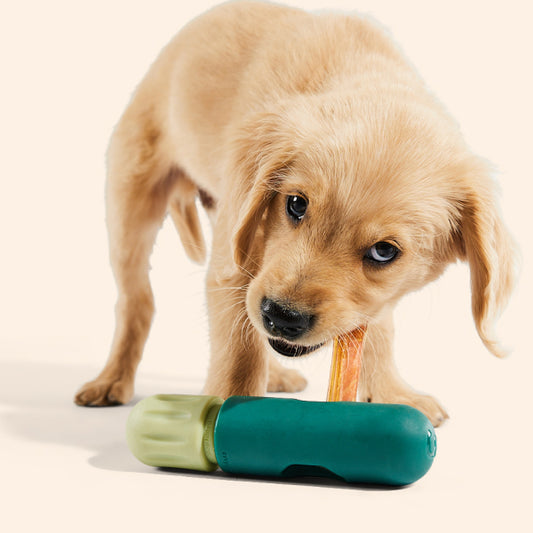
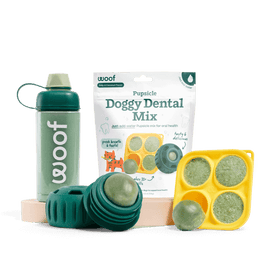
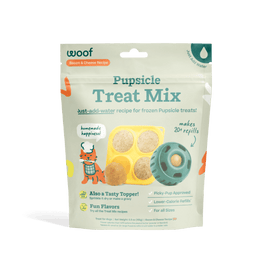
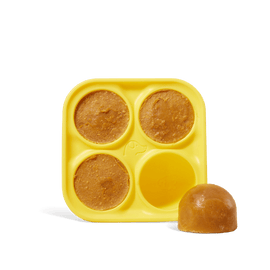
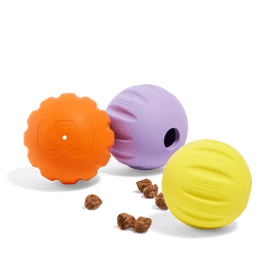
For these dogs, enrichment is not extra. It is part of a peaceful home. A few minutes of training, a sniffy walk, or a food puzzle can help take the edge off before shared family time. Woof's The Pupsicle can be a helpful way to give one dog a longer-lasting activity while another pet rests, especially when you need calm separation without making anyone feel left out.
Beagles and Other Scent-Driven Dogs Can Work With Care
Beagles are social dogs with a pack history, so they can enjoy the company of other dogs. Their noses, however, are powerful decision-makers. In real life, that means a Beagle may ignore you if there is food under the couch, a squirrel outside, or a cat running like a tiny mystery on four legs.
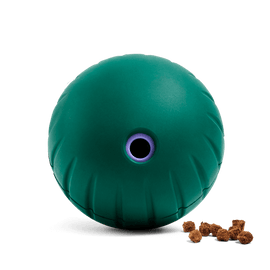
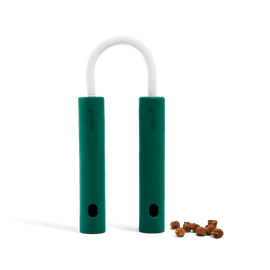
This does not rule them out. It means introductions should be slow, rewards should be high value, and management matters. Keep small pets secure, use baby gates when needed, and reward calm looking instead of chasing. Woof Love Nuggets can fit well here as bite-sized training treats for rewarding check-ins, polite greetings, and coming away from another pet when called.
Do Not Forget Mixed-Breed Dogs
Some of the very best multi-pet dogs are mixed breeds whose personalities are already known. A foster-based rescue or shelter may be able to tell you if a dog has lived with cats, ignored small dogs, shared space politely, or struggled with resource guarding. That information can be more useful than a breed label alone.
If you already have pets, ask specific questions. Has the dog met cats indoors? How do they respond when another dog approaches their food bowl? Can they settle after excitement? Have they shown chase behavior toward small animals? Clear answers help you make a safer, kinder choice for everyone.
How to Help Any Breed Succeed With Other Pets
Start slower than you think you need to. Let pets smell each other's bedding before face-to-face meetings. Use leashes, gates, crates, or closed doors as safety tools, not punishments. Reward calm behavior and end introductions before anyone gets overwhelmed.
Watch body language closely. Loose bodies, soft eyes, sniffing and disengaging, and choosing to walk away are good signs. Stiff staring, freezing, stalking, hard barking, lip lifting, hiding, or repeated chasing means you should pause and get help from a qualified trainer or behavior professional. If a pet seems injured, unusually fearful, stops eating, or has a major behavior change, contact your veterinarian.
Dog Parent FAQs
What is the best dog breed for homes with cats?
Golden Retrievers, Cavalier King Charles Spaniels, Poodles, Bichon Frises, and Pugs are often good candidates, but the individual dog's prey drive and history with cats matter most.
Are male or female dogs better for multi-pet families?
Sex alone does not determine success. Temperament, training, spay or neuter status, age, past experiences, and the personalities of your current pets are more important.
Should I get a puppy or an adult dog for a multi-pet home?
Puppies can learn your household from the start, but they need constant supervision. Adult dogs may be easier to evaluate if they have already lived peacefully with other animals.
What breeds may need extra caution around small pets?
Dogs with strong prey drive, intense herding behavior, or high arousal around movement may need extra management. This can happen in many breeds, so focus on the individual dog's behavior, not just the label.
The Bottom Line on Choosing a Multi-Pet Dog
The Best Dog Breeds for Multi-Pet Families are usually the ones with friendly temperaments, trainable minds, and enough support to make good choices. Golden Retrievers, Labs, Cavaliers, Poodles, Bichons, Pugs, Collies, Beagles, Newfoundlands, and many mixed breeds can all be wonderful matches in the right home. Choose thoughtfully, introduce slowly, and build routines that give every pet a safe place to eat, rest, play, and feel loved.


