






































































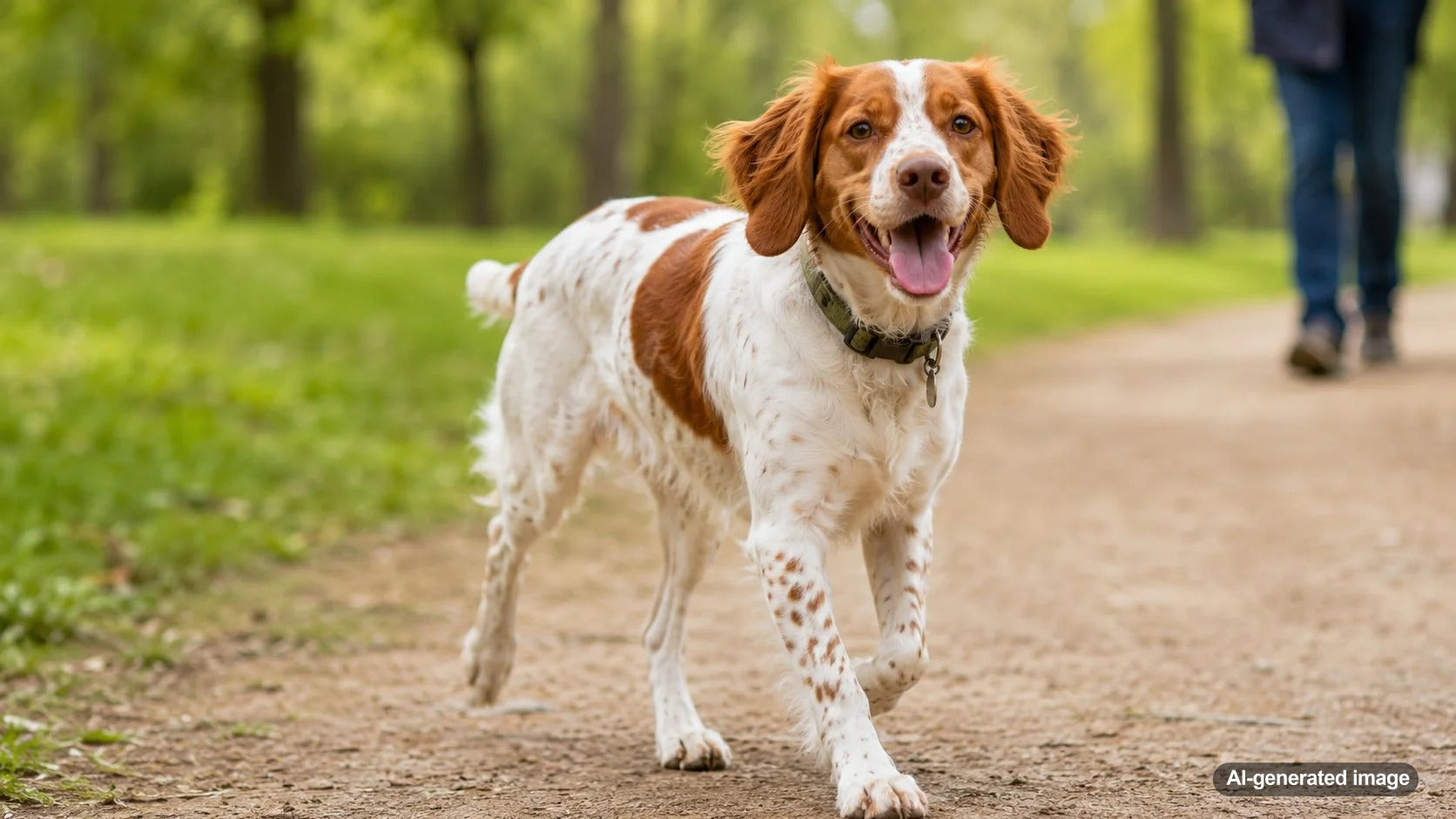
Some homes have a nearly silent front door, while others seem to welcome a neighbor, relative, delivery driver, contractor, or child every hour. If your household belongs in the second category, choosing a dog with a naturally social, adaptable temperament can make everyday life easier. The best dog breeds for homes with lots of visitors are generally friendly, trainable, resilient around activity, and able to settle after the excitement of saying hello.
Breed tendencies can point you in the right direction, but they are not guarantees. A dog's early experiences, individual personality, health, training, and daily routine all influence how comfortably that dog handles unfamiliar people.
Quick answer: Labrador Retrievers, Golden Retrievers, Cavalier King Charles Spaniels, Poodles, Havanese, Boxers, and Beagles can be good choices for visitor-heavy homes. The right match depends on your space, activity level, grooming preferences, and willingness to teach calm greeting habits.
What Makes a Dog Comfortable Around Frequent Visitors?
A visitor-friendly dog does not need to adore every person who walks through the door. A better goal is a dog who can notice someone arriving, remain responsive to the owner, greet appropriately when invited, and relax while the guest stays.
Look for a dog with a reputation for sociability, adaptability, and trainability. Energy level matters too. A friendly but highly excitable dog may jump, mouth sleeves, race through the entryway, or knock over children unless those greetings are carefully managed.
Also consider sensitivity to noise. Frequent doorbells, footsteps, laughter, and moving furniture can overwhelm dogs who prefer predictable, quiet surroundings. Puppies of any breed need gradual exposure to different voices, clothing, mobility aids, hats, packages, and ways of moving.
1. Labrador Retriever
Labrador Retrievers are outgoing, affectionate dogs that often enjoy meeting new people. Their trainability makes it easier to teach practical visitor skills such as waiting on a mat, keeping four paws on the floor, and bringing a toy instead of jumping.
The tradeoff is enthusiasm. Young Labs can greet guests like a joyful battering ram, especially when they have not had enough exercise. A walk, sniffing session, or game before company arrives may help take the edge off that energy.
2. Golden Retriever
Golden Retrievers are commonly known for being friendly, eager to please, and adaptable in social settings. Many are patient with respectful children and comfortable participating in an active family household.
Goldens still need training. Their size, wagging tail, and youthful excitement can create chaos in a crowded entryway. They also shed, so homes that entertain frequently should be ready for regular brushing and vacuuming.
3. Cavalier King Charles Spaniel
The Cavalier King Charles Spaniel can be a strong choice for someone who wants a smaller companion with a gentle, affectionate personality. Many Cavaliers enjoy attention from familiar guests and can adapt well to apartments or quieter homes that receive frequent company.
Because they are companion-oriented, some Cavaliers dislike being isolated from the gathering. Give them a comfortable place near the action rather than automatically shutting them in another room. Prospective owners should also research the breed's health considerations and work with a responsible breeder or rescue organization.
4. Poodle
Standard, Miniature, and Toy Poodles are highly intelligent dogs that can learn detailed household routines. This makes them appealing for owners who want a dog that can be taught to go to a designated spot, wait for permission to greet, and disengage when asked.
Poodles need mental and physical activity, and some may alert bark when people approach. Consistent practice can help them distinguish between announcing a visitor and continuing to bark throughout the entire visit. Their coats also require regular professional grooming.
5. Havanese
Havanese are small, people-focused companion dogs that often enjoy being included in social activity. Their portable size may suit apartments, multigenerational households, and homes where guests gather in smaller rooms.
They can become vocal about hallway sounds or arrivals, so early work on calm door behavior is useful. Their coats need routine care, whether kept long or trimmed into a shorter pet style.
6. Boxer
Boxers are playful, affectionate dogs that frequently form strong relationships with their families. A well-socialized Boxer may be delighted by a house full of familiar people and can fit an active household that enjoys games, walks, and structured training.
However, Boxers are strong and famously bouncy. They may be too exuberant for homes with frail visitors unless owners consistently reinforce calm greetings. Teaching a Boxer to sit, retrieve a toy, or remain behind a gate during arrivals can prevent accidental collisions.
7. Beagle
Beagles are cheerful, social hounds that often enjoy human company. Their moderate size and playful nature can work well in busy family homes, especially when they receive enough sniffing, exploration, and exercise.
Their noses can be more persuasive than their owners, so food left on coffee tables or inside guest bags may become a major attraction. Secure trash, manage snacks, and practice reward-based recall and leave-it skills.
Breed Is Only Part of the Decision
An adult mixed-breed dog with a known history around guests may be a more predictable choice than a puppy from a traditionally social breed. Foster-based rescues can sometimes explain whether a dog settles around visitors, reacts to the doorbell, guards furniture, or becomes uncomfortable with children.
When meeting a potential dog, look beyond immediate friendliness. Observe whether the dog can recover after excitement, accept gentle handling, take treats without frantic grabbing, and redirect attention back to a handler. A dog who enthusiastically greets everyone but cannot settle may require more management than a quieter dog who warms up gradually.
How to Create Calmer Visitor Greetings
- Exercise the dog before guests arrive, but avoid exhausting a puppy or senior.
- Use a leash, gate, or pen during the first few minutes of activity.
- Reward the dog for standing, sitting, or resting with four paws on the floor.
- Ask guests to ignore jumping rather than petting through it.
- Provide a quiet retreat where nobody will follow or disturb the dog.
- Keep food, medications, purses, and children's toys out of reach.
Long visits can be mentally tiring even for social dogs. A prepared enrichment activity may help a dog transition from greeting mode to settling mode. For example, The Pupsicle can provide a longer-lasting licking activity after the dog has greeted everyone and moved to a supervised relaxation area.
For dogs who prefer a flatter enrichment surface, the dual-sided FlipMat can support a predictable settle-down routine away from busy feet and open doors. Always supervise enrichment, choose an appropriate setup for your dog's size and chewing style, and separate dogs when food could create tension.
Helpful tip: Practice your visitor routine when nobody is coming over. Ring the bell, walk the dog to a mat, reward calm behavior, and release the dog after a few seconds. Rehearsing without real guests makes the lesson much easier to understand.
When a Social Dog Suddenly Avoids Visitors
A noticeable behavior change deserves attention. Pain, hearing or vision changes, illness, frightening experiences, or age-related changes may cause a previously social dog to hide, growl, startle, or resist handling. Do not force interaction or punish warning signals. Contact your veterinarian, and consider working with a qualified reward-based trainer or veterinary behavior professional.
Dog Parent FAQs
Can any dog learn to behave calmly around visitors?
Many dogs can improve with gradual exposure, management, and reward-based training. Some will always prefer distance, and that preference should be respected.
Are guard dog breeds bad for social households?
Not necessarily, but dogs with strong watchful or protective tendencies may require more careful socialization, management, and professional guidance.
Should guests give my dog treats?
They can when the dog is comfortable and takes food politely. Tossing a treat away from the guest can reduce pressure for dogs that need more space.
What should I do if my dog jumps on every visitor?
Prevent repeated jumping with a leash or gate, reward four paws on the floor, and ask guests to withhold attention until the dog is calm.
Choose the Dog, Not Just the Breed
The best dog for a home with lots of visitors is one whose individual temperament fits the household's real rhythm. Friendly breed tendencies are helpful, but calm greetings are built through thoughtful selection, early socialization, clear boundaries, enrichment, and repeated practice. Choose a dog whose size, energy, grooming needs, and social style match the life you already live, not an idealized version of it.


