






































































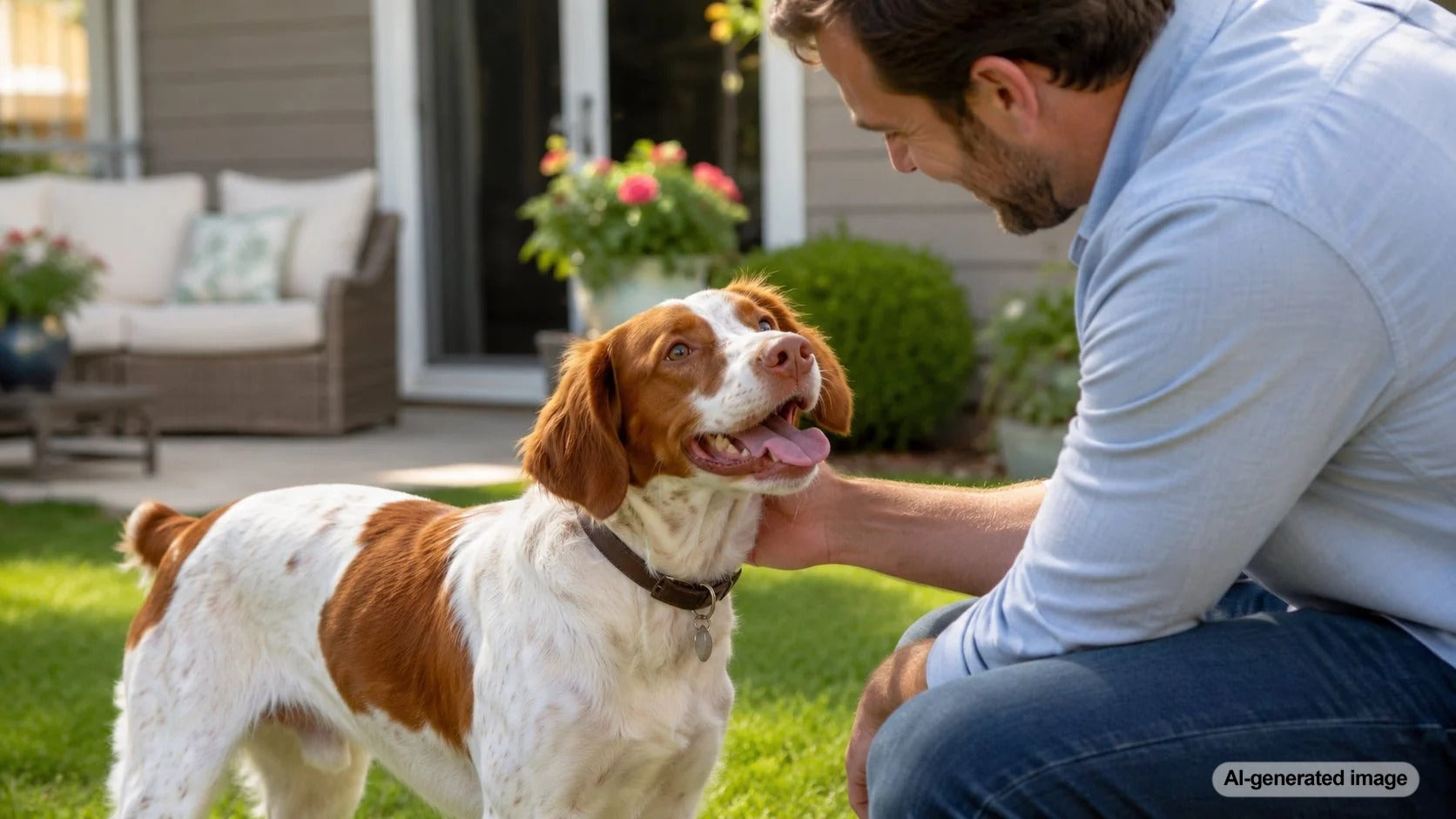
A home with frequent adult visitors can be exciting for a social dog and overwhelming for a cautious one. The best breeds for this lifestyle tend to be friendly, adaptable, trainable, and able to recover calmly after the doorbell rings. Breed tendencies matter, but the individual dog's personality, early experiences, health, training, and daily routine matter just as much.
Some dogs happily greet every dinner guest, contractor, neighbor, or visiting relative. Others need more distance, quieter introductions, or a comfortable room away from the activity. Choosing thoughtfully means looking beyond whether a breed is labeled friendly and considering energy, size, vocal tendencies, grooming, exercise needs, and how the dog behaves after the initial excitement.
1. Labrador Retriever
Labrador Retrievers are commonly outgoing, affectionate, and eager to participate in household activity. Many Labs view a visitor as a potential new friend, which can make them comfortable in homes that host dinners, meetings, or extended family gatherings.
The challenge is often enthusiasm rather than fear. A young Lab may jump, carry shoes around, or repeatedly invite guests to play. Daily exercise and consistent greeting practice are important. Rewarding four paws on the floor with small treats, such as Love Nuggets, can help owners reinforce calm behavior without turning every arrival into a wrestling match.
2. Golden Retriever
Golden Retrievers are known for their sociable, affectionate nature and often adjust well to a steady flow of familiar and unfamiliar adults. They usually enjoy being included without needing to control the room.
Goldens are large, active dogs, so friendliness does not automatically equal easy hosting. A bored adolescent Golden may greet visitors with a full-body celebration. Exercise before company arrives, followed by a clear settling routine, can make gatherings much calmer.
3. Poodle
Standard, Miniature, and Toy Poodles are intelligent, people-oriented dogs that can learn detailed household routines. Their trainability is especially helpful when owners want a dog to go to a mat, wait before approaching, or greet only after receiving permission.
Poodles need mental engagement in addition to physical exercise. Without it, some may become vocal or invent their own entertainment. Their grooming requirements are also significant, so prospective owners should consider coat care along with sociability.
4. Cavalier King Charles Spaniel
Cavaliers are affectionate companion dogs that often enjoy sitting near visitors without bringing the intensity of a larger sporting breed. Their smaller size can work well in apartments, condos, and homes where adults gather in relatively compact spaces.
They generally need moderate exercise, but they still benefit from training and enrichment. Because the breed can be affected by inherited health concerns, choosing a responsible breeder or working with a reputable rescue and veterinarian is particularly important.
5. Boston Terrier
Boston Terriers are compact, expressive dogs that are often friendly with unfamiliar people. They can fit naturally into social households because they usually enjoy attention and do not require the space of a large retriever.
Some Bostons become excited by arrivals, so owners should teach calm greetings early. Their short muzzles can also make heat and strenuous exercise more difficult. Keep indoor gatherings comfortably cool, provide water, and ask a veterinarian about safe activity for the individual dog.
6. Whippet
Whippets can be surprisingly well suited to homes with adult visitors. Although they enjoy opportunities to run safely, many are quiet and relaxed indoors. They may acknowledge guests and then return to a couch or dog bed rather than demanding constant interaction.
Whippets can be sensitive, so a noisy home with unpredictable handling may not be ideal. Adults should allow the dog to approach voluntarily instead of crowding, hugging, or reaching over the dog's head.
7. Boxer
Boxers are playful, affectionate, and highly people-focused. In an active social home, they can become enthusiastic participants who enjoy meeting guests and staying close to the action.
Their strength and bouncy style require thoughtful training. A friendly Boxer can still knock into someone while celebrating an arrival. Practice leash greetings, place training, and short periods of calm before allowing free interaction.
8. Beagle
Beagles are cheerful, curious dogs that often enjoy people and household activity. Their manageable size and playful personality can make them appealing for adults who host friends regularly.
However, visitors may bring irresistible food smells, open doors, and unattended bags. Beagles are scent hounds, so owners should secure entrances, keep food out of reach, and provide an appropriate activity away from the snack table.
Breed Is Only Part of the Decision
A social breed can still produce an individual dog who is reserved, fearful, or easily overstimulated. Likewise, a mixed-breed dog with a stable temperament may thrive in a visitor-heavy home. When adopting an adult dog, ask how the dog responds to doorbells, unfamiliar men and women, hats, mobility devices, loud laughter, direct eye contact, and people entering suddenly.
- Notice a visitor without remaining intensely fixated
- Approach with loose, relaxed body language
- Take treats or follow familiar cues around guests
- Walk away when interaction becomes tiring
- Settle after the first few minutes of excitement
- Recover reasonably quickly from an unexpected sound
How to Build a Better Visitor Routine
Even a naturally friendly dog needs household rules. Begin with exercise or sniffing time before guests arrive. Keep the first greeting calm, and ask visitors to ignore the dog briefly rather than leaning down or reaching immediately.
Give your dog a defined place to settle, such as a bed behind a gate or a quiet corner of the room. A long-lasting activity in The Pupsicle can provide focused enrichment while people enter and get comfortable. Supervise treat toys, select the proper size, and account for treats in the dog's daily food intake.
Watch for stress signals such as a stiff posture, repeated lip licking, hiding, trembling, hard staring, growling, or repeated attempts to leave. Never punish a warning or force contact. Create distance and consult a qualified trainer or veterinary behavior professional if visitor-related fear or aggression is developing.
Dog Parent FAQs
Are friendly dog breeds automatically good with visitors?
No. Breed tendencies can offer clues, but socialization, training, health, age, and individual temperament all influence how a dog responds to guests.
Is a puppy better than an adult dog for a social home?
Not necessarily. A puppy offers an opportunity for early socialization, while an adult dog may have a more observable and predictable temperament.
Should visitors give my dog treats?
They can if your dog is comfortable and the treats fit the dog's diet. Tossing a treat nearby may feel less pressuring than asking a cautious dog to take food from a hand.
What if my dog prefers not to meet guests?
Provide a quiet, secure area with water and a comfortable resting spot. Dogs do not need to socialize with every visitor to be happy members of the household.
Choose for the Life Behind the Guest List
The right dog should fit your everyday routine, not just the moments when company comes over. Consider exercise, grooming, training, size, noise, health needs, and time alone alongside friendliness. When a dog's natural tendencies and individual personality match the household, frequent visitors can become an ordinary and comfortable part of life rather than a recurring source of stress.


