






































































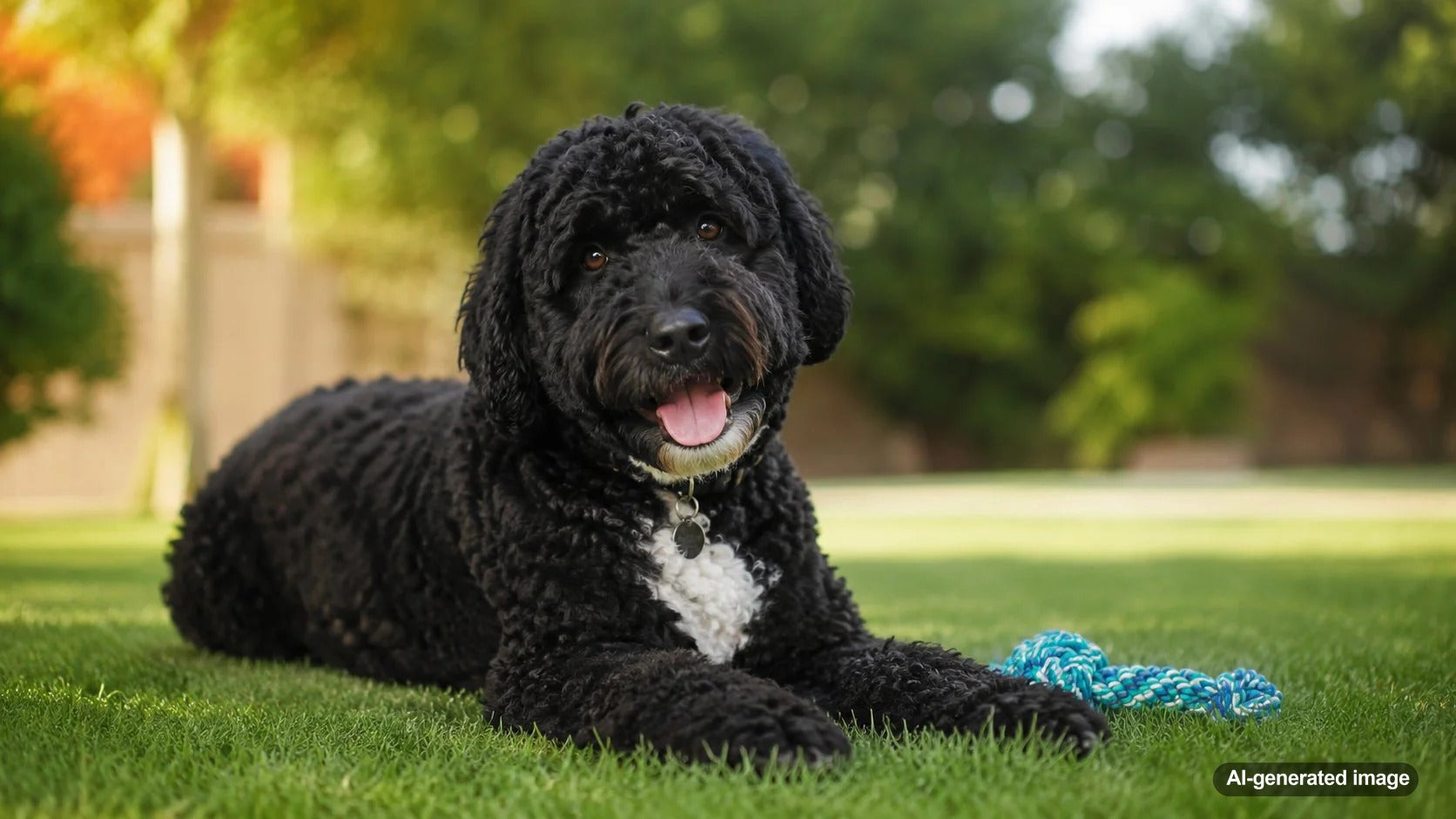
The Best Dog Breeds for Families Who Want a Patient Playmate are usually breeds known for steady temperaments, friendly social skills, trainability, and a tolerance for the joyful chaos that comes with family life. A patient family dog is not just one that loves kids. It is a dog that can handle noise, movement, visitors, routines, snacks, toys on the floor, and the occasional clumsy hug while still feeling safe, understood, and well guided.
Breed can be a helpful starting point, but it is never the whole story. A dog's individual personality, socialization, training, age, health, and daily outlets matter just as much. Even the gentlest breed needs supervision around children, clear boundaries, rest time, and safe ways to play, chew, lick, sniff, and settle.
What Makes a Dog a Patient Playmate?
A patient playmate is not a dog who lets children do anything they want. It is a dog with a generally stable, forgiving temperament who can enjoy family interaction without becoming overwhelmed too quickly. Look for qualities like friendliness, recoverability after excitement, willingness to learn, appropriate energy, and comfort with normal household movement.
Many families accidentally focus only on cuteness or size. A tiny dog can be wonderful, but some small dogs are sensitive to rough handling. A large dog can be gentle, but may knock over toddlers without meaning to. The goal is to match the dog's body, personality, energy, and care needs to the people in your home.
1. Golden Retriever
Golden Retrievers are classic family dogs for a reason. They are often affectionate, eager to please, playful, and emotionally tuned in to their people. They tend to enjoy fetch, training games, backyard play, and being included in everyday routines.
Goldens do need exercise, grooming, and guidance. A bored Golden can become mouthy, jumpy, or overly enthusiastic, especially as a puppy or adolescent. Families who want a gentle but active companion usually do well when they combine daily walks, training rewards, and calmer enrichment after busy play sessions.
2. Labrador Retriever
Labrador Retrievers are friendly, sturdy, outgoing dogs that often fit active families beautifully. They are usually happy to play, learn, swim, retrieve, and hang out wherever the family action is happening. Their cheerful nature can make them wonderful companions for school-age children who want a dog to play with outdoors.
Labs can be powerful and excitable when young, so early manners matter. Practice polite greetings, no-jump habits, and calm chew time before the dog is fully grown. A long-lasting enrichment toy like The Pupsicle can be useful after exercise when your dog needs something appropriate to lick and work on while the household settles down.
3. Cavalier King Charles Spaniel
Cavalier King Charles Spaniels are often sweet, gentle, and people-focused. Their smaller size can work well for apartments, quieter homes, or families who want a cuddly companion rather than a rough-and-tumble athlete.
Because Cavaliers are small and affectionate, children should be taught to sit on the floor for snuggles, avoid squeezing, and let the dog walk away when needed. They may not be the best match for very rough play, but they can be lovely for families who value calm companionship.
4. Collie
Collies are known for being loyal, sensitive, and family-oriented. Many are gentle with children and enjoy structured games, walks, and training. They often pay close attention to household patterns, which can make them feel like thoughtful family members.
That sensitivity is important. Collies may not love constant yelling, chaotic wrestling, or unpredictable handling. They often thrive in homes that provide kind training, predictable routines, and mental stimulation.
5. Beagle
Beagles are cheerful, social, and usually sturdy enough for busy family life. They often enjoy play, sniffing games, food puzzles, and being part of the group. Their size can be a practical middle ground for families who want a dog that is not too large but still feels robust.
The tradeoff is that Beagles follow their noses. They need secure yards, leash safety, and patient training. Food rewards can be helpful, but keep treat portions reasonable. Bite-sized rewards like Love Nuggets can fit short training sessions when you are practicing recall, polite sitting, or calm behavior around kids.
6. Bernese Mountain Dog
Bernese Mountain Dogs are large, affectionate, and often gentle with their families. They can be wonderful for homes that want a calm, loving presence and have enough space for a big dog with a big coat.
Size is the main consideration. A Bernese may be patient, but a wagging tail or casual lean can topple a toddler. Families should practice calm greetings, supervise play, and keep exercise steady without overdoing it during puppy growth.
7. Newfoundland
Newfoundlands are famously gentle giants. Many are calm, loyal, and affectionate, with a patient style that can be beautiful in family homes. They are often better suited to families prepared for drool, grooming, space needs, and the realities of living with a very large dog.
Because of their size, training cannot be optional. A Newfoundland should learn leash manners, settling skills, and polite greetings early. Their patient nature shines when the home gives them structure and room to rest.
8. Poodle
Standard and Miniature Poodles can be excellent family dogs when their exercise, grooming, and mental needs are met. They are intelligent, trainable, and often playful without being careless. Standard Poodles can be great for active homes, while Miniature Poodles may suit families wanting a smaller companion.
Poodles need brain work. Without enough activity, they may invent their own entertainment. Training games, sniffing, puzzle play, and rotating enrichment can help them stay focused and satisfied.
Other Gentle Breeds Worth Considering
Havanese, Bulldogs, Boxers, Irish Setters, Bichon Frises, and mixed-breed adult rescue dogs can also be wonderful family companions. Adult dogs can be especially helpful because their size, energy, and temperament are easier to evaluate than a puppy's future personality.
If adopting from a shelter or rescue, ask how the dog behaves around children, other pets, handling, food, toys, visitors, and busy environments. A slow introduction is better than assuming any dog will instantly love family life.
| Family situation | Breeds to consider | What to watch |
|---|---|---|
| Active family with school-age kids | Labrador Retriever, Golden Retriever, Standard Poodle | Jumping, mouthiness, and too much excitement without training |
| Quieter home or apartment | Cavalier King Charles Spaniel, Havanese, Miniature Poodle | Gentle handling and enough companionship |
| Family wanting a calm large dog | Bernese Mountain Dog, Newfoundland | Space, grooming, drool, and careful puppy growth |
| Kids who love games and training | Collie, Beagle, Poodle | Mental stimulation, leash safety, and routine |
How to Help Any Family Dog Become More Patient
Patience is partly temperament and partly lifestyle. Dogs do better when they know what to expect. Teach children to pet gently, avoid climbing on dogs, leave dogs alone while eating or sleeping, and recognize signs that a dog needs space, such as turning away, lip licking, yawning, tucked posture, or trying to leave.
Create a daily rhythm that includes exercise, training, rest, and enrichment. A dog who has had a walk, a sniffing session, a chew, or a licking activity is often better prepared to relax while the family moves through dinner, homework, bath time, or bedtime.
Common Mistakes Families Make When Choosing a Dog
One common mistake is choosing a puppy because it seems easier to shape. Puppies are adorable, but they also bite, jump, chew, wake up early, and need constant teaching. An adult dog with a known gentle temperament may actually be the easier family match.
Another mistake is assuming a tired dog is always a good dog. Overtired dogs can get cranky or wild, just like kids. Balance active play with decompression. Licking, sniffing, and chewing can help many dogs shift out of high-energy mode and into calmer behavior.
Finally, families sometimes ignore grooming, shedding, drool, allergies, and vet costs. A breed can be wonderful with children and still be a poor match if the daily care is more than the household can realistically handle.
Dog Parent FAQs
What is the most patient dog breed for kids?
Golden Retrievers, Labrador Retrievers, Newfoundlands, and Bernese Mountain Dogs are often known for patient family temperaments, but the individual dog's personality, training, and socialization matter more than breed alone.
Are small dogs better for young children?
Not always. Small dogs can be easier to manage physically, but some are sensitive to rough handling. If you have young children, focus on temperament, supervision, and teaching gentle touch.
Should a family get a puppy or an adult dog?
Both can work. Puppies require more training and supervision, while adult dogs may have more predictable energy and temperament. Families should choose based on time, experience, and household routine.
Can enrichment help a family dog stay calmer?
Yes, enrichment can support calmer routines by giving dogs appropriate ways to lick, chew, sniff, think, and settle. It should be paired with exercise, training, rest, and supervision.
The Bottom Line on Patient Family Dogs
The best family dog is not simply the breed with the sweetest reputation. It is the dog whose needs match your home, whose temperament fits your children's ages, and whose routine you can support every day. Choose thoughtfully, train kindly, supervise carefully, and give your dog plenty of healthy outlets for play and rest.
When family life feels busy, small routines make a big difference. A walk before school pickup, a short training game before dinner, or a safe enrichment session during homework time can help your dog feel included without being overstimulated. That is where patient playmates really shine: not just in big backyard moments, but in the everyday rhythm of a home that loves them well.


