Some dogs seem born to bring the volume down. They are happiest leaning against your leg, snoozing nearby while you work, or joining you for an easy walk before settling back onto their favorite bed. If you are searching for The Best Dog Breeds for Calm Companionship, the strongest matches tend to combine an even temperament with affection, adaptability, and an ability to relax when their physical and mental needs are met.
Of course, breed is only part of the picture. Age, genetics, early socialization, training, exercise, health, and the individual dog's personality all influence how calm a dog feels at home. A supposedly mellow breed can produce an energetic individual, while an adult dog from a more active breed may turn out to be the world's most dedicated couch companion.
1. Cavalier King Charles Spaniel
For someone picturing an affectionate little dog who genuinely enjoys being close to people, the Cavalier King Charles Spaniel is an appealing place to start. Cavaliers are known for a gentle, adaptable temperament and often fit comfortably into both quieter households and moderately active families.
Do not mistake "lap dog" for "no exercise required," though. Cavaliers still enjoy walks, play, and opportunities to explore. They also tend to form close bonds with their people, so a household in which everyone is gone for long stretches may not be their ideal setup.
2. Greyhound
The Greyhound surprises many future dog parents. Built like a serious athlete, this large sighthound can be remarkably mild and relaxed around the house. Many enjoy lounging between opportunities for walks and safe exercise, making them interesting candidates for people who want a bigger dog without constant indoor commotion.
Greyhounds still have athletic ability and may have a strong instinct to chase moving animals. Secure areas, leash management, and thoughtful introductions to smaller pets matter. Their calm indoor behavior should never be interpreted as permission to skip appropriate exercise.
3. Basset Hound
With their unmistakable ears, low-slung bodies, and generally unhurried presence, Basset Hounds can make wonderfully mellow companions. They often appeal to dog parents who prefer sniff-heavy walks and companionship over intense daily workouts.
The nose is important here. A Basset may look relaxed until an irresistible scent appears, at which point that famous hound determination can take over. Secure walking gear, patient training, and chances to sniff can make everyday life much smoother.
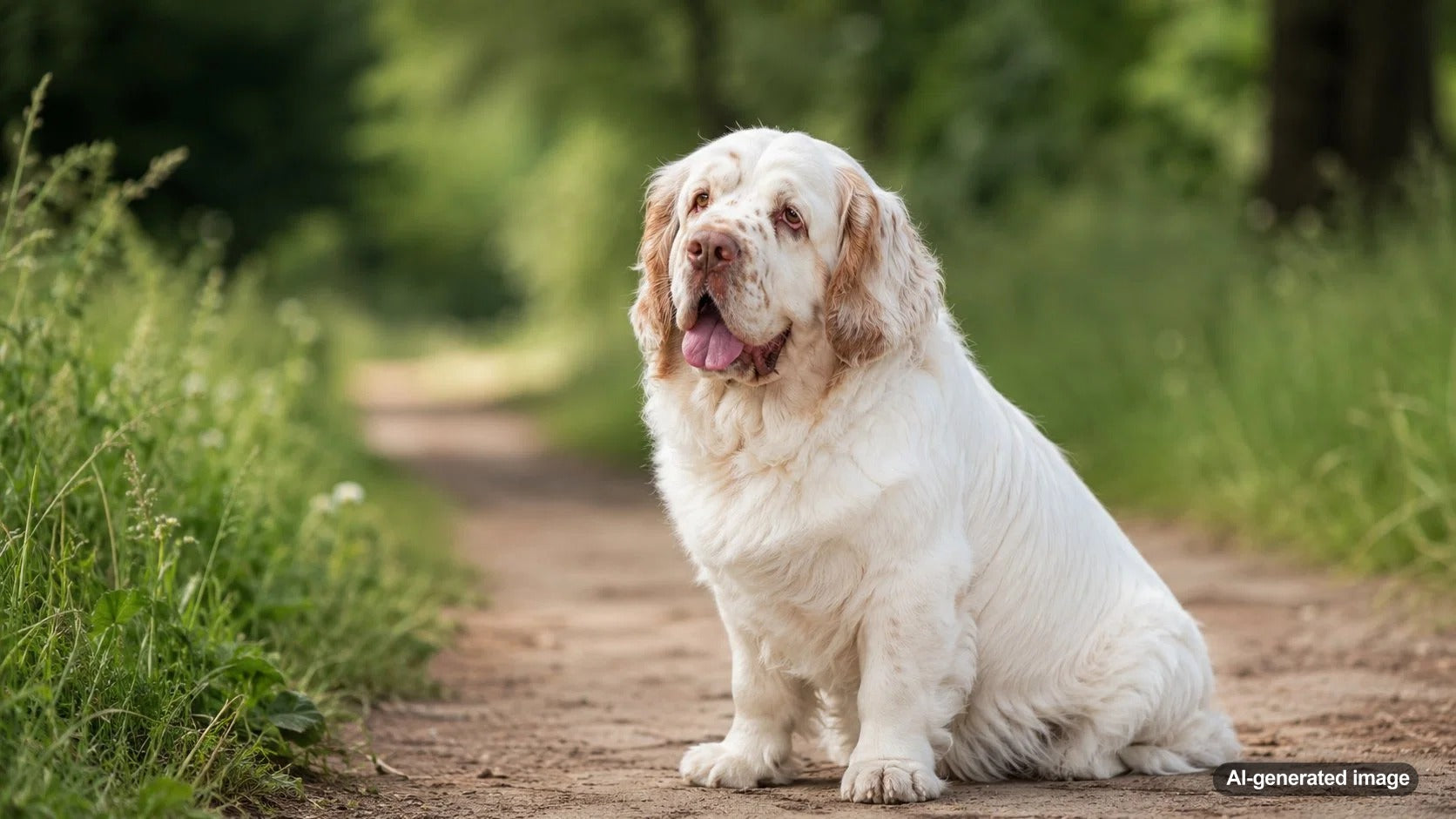
4. Clumber Spaniel
Clumber Spaniels offer an appealing middle ground for people who like sporting dogs but want a companion with a comparatively measured personality. They are substantial dogs and still need activity, yet they are commonly valued for loyal, gentle companionship rather than nonstop intensity.
Because they are larger than many people expect from the word "spaniel," consider space, grooming, and the practical realities of living with a heavier dog before deciding one is right for you.
5. Newfoundland
If your definition of companionship includes a very large dog with a famously gentle presence, the Newfoundland deserves consideration. Their size is a major part of the decision, however. A calm 100-plus-pound dog still occupies significant floor, vehicle, and couch space, and routine grooming can be substantial.
Large breeds also come with different exercise, feeding, mobility, and veterinary considerations than small companion dogs. Anyone considering a giant breed should think beyond temperament and make sure the household can comfortably handle the dog's physical needs.
6. Saint Bernard
Saint Bernards are another giant-breed option associated with an amiable, steady manner. They can be deeply devoted companions, but their size makes early manners particularly important. A friendly dog who jumps, pulls, or barrels through a doorway is much harder to manage when that dog outweighs some adults.
Consistent positive training from the beginning helps turn a gentle temperament into comfortable everyday companionship. Families should also prepare for grooming, drool, and the space required by such a substantial dog.
7. Tibetan Spaniel
For a much smaller package, the Tibetan Spaniel combines companion-dog qualities with a somewhat independent personality. These dogs can enjoy being near their people without necessarily behaving like tiny shadows every minute of the day.
They are also alert dogs, so "calm" does not necessarily mean silent. A dog can spend hours lounging peacefully and still announce something interesting outside the window. That distinction matters if barking is one of your biggest concerns.
8. Whippet
Whippets are another example of why athletic appearance does not always predict household energy. They enjoy opportunities to run and move, but many settle beautifully indoors after their exercise needs have been addressed. For someone who likes leisurely home life mixed with bursts of outdoor activity, that combination can be attractive.
As with other sighthounds, chasing instincts deserve respect. Safe containment and leash habits are part of responsible ownership even when the dog spends most of the afternoon curled into an impressively small ball on the sofa.
Calm Does Not Mean No Enrichment
One of the most common mistakes is choosing a calm breed and assuming the dog will entertain themselves indefinitely. Even mellow dogs need chances to sniff, chew, lick, solve simple problems, play, and interact with their people. Without appropriate outlets, boredom can show up as pacing, demand barking, scavenging, stealing household objects, or destructive chewing.
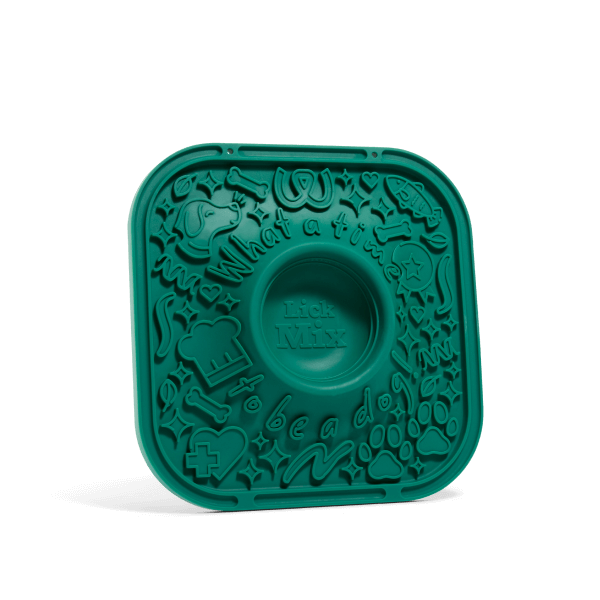
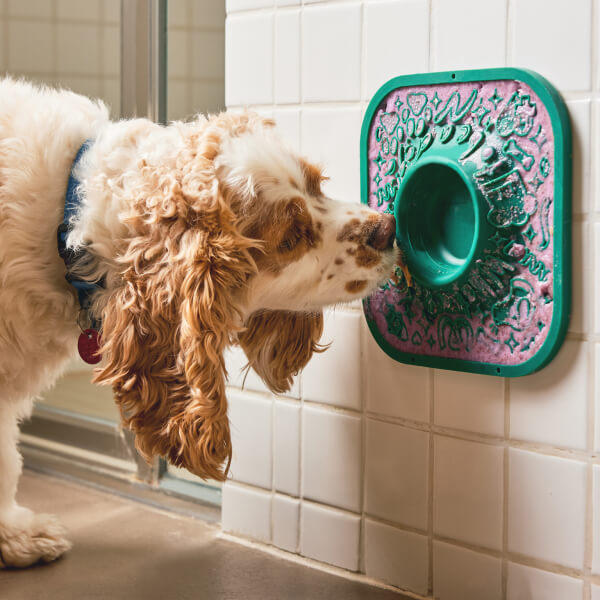
A useful approach is to build one or two quiet enrichment periods into the day. A food-filled The Pupsicle can give a dog something engaging to work on while the household settles down, while The LickMat can turn a spreadable dog-safe treat into slower, focused lick time. Choose portions that fit your dog's overall diet and supervise enrichment appropriately.
Look at the Individual Dog, Not Just the Breed
Breed tendencies are useful starting points, not personality guarantees. When meeting a potential dog, ask how they behave after exercise, around visitors, when left alone, during handling, around other animals, and in unfamiliar environments. A dog who can recover and settle after excitement may fit a quiet home better than one who simply looks sleepy during a single meeting.
Also consider life stage. Puppies tend to require substantially more management than mature adults, and senior dogs may enjoy quieter routines while also developing changing mobility or medical needs. If a normally settled dog suddenly becomes restless, withdrawn, unusually vocal, reluctant to move, or dramatically different in behavior, contact your veterinarian rather than assuming it is a training issue.
Dog Parent FAQs
What is the calmest dog breed?
There is no single calmest breed for every household. Cavaliers, Greyhounds, Basset Hounds, Newfoundlands, Saint Bernards, Clumber Spaniels, Tibetan Spaniels, and Whippets can all have calm qualities, but individual temperament and lifestyle fit matter just as much.
Are calm dog breeds good for apartments?
Some can be. Size alone does not determine apartment suitability. Consider barking, exercise requirements, ability to settle indoors, building rules, elevator or stair access, and whether you can provide regular outdoor time.
Are large dogs calmer than small dogs?
Not automatically. Calmness varies among breeds and individual dogs of every size. Some large dogs are easygoing indoors, while some small dogs are highly energetic, and the reverse can also be true.
Can enrichment help a dog settle?
Appropriate enrichment can give many dogs a constructive activity and may encourage a more satisfying daily routine. It works best alongside sufficient exercise, rest, training, social interaction, and veterinary or behavioral support when needed.
Finding Your Kind of Calm
The best calm companion is not necessarily the dog who wants to sleep all day. It is the dog whose normal energy, social needs, size, training requirements, and personality comfortably match the way you actually live. Choose for the household you have rather than the lifestyle you imagine, and you are much more likely to find that wonderfully easy rhythm where walks, play, enrichment, and quiet time all have a place.