
























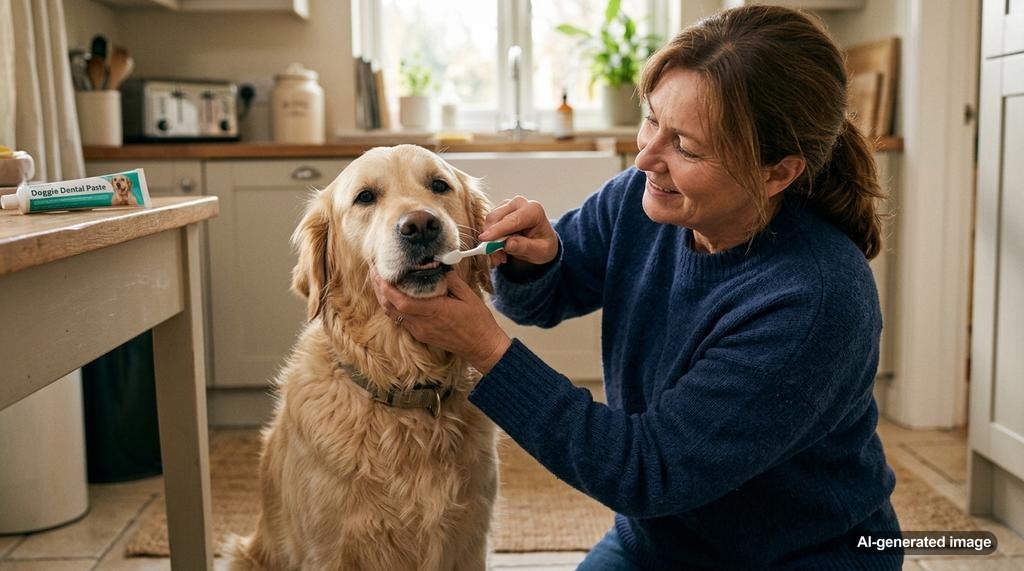
Dog breath can sneak up on you. One minute your pup is curled up beside you looking adorable, and the next minute you get a big happy kiss that makes you wonder, “Should I be brushing my dog’s teeth?” The answer is yes. Regular dental care is one of the best habits you can build for your dog’s long-term comfort, health, and fresh-breath confidence.
The good news? Brushing your dog’s teeth does not have to feel like a wrestling match. Some dogs love attention around their mouths. Others act like a toothbrush is the most suspicious object they have ever seen. That is why the best dog dental routine is the one your dog will actually tolerate, enjoy, and repeat.
With a little patience, positive reinforcement, and a helpful tool like The Bite n’ Brush, oral care can become less of a chore and more of a daily chewing ritual. Instead of chasing your dog around with a toothbrush, you can help them engage with dental care in a way that feels natural: by chewing.
Why brushing your dog’s teeth matters
Dogs use their mouths for almost everything. They eat with them, play with them, carry toys with them, explore the world with them, and sometimes investigate things no human would ever approve of. Over time, food particles and plaque can build up along the teeth and gumline. If that buildup is ignored, it can harden into tartar and contribute to bad breath, gum irritation, discomfort, and more expensive dental care later.
Dental health is not just about a prettier smile. A cleaner mouth can help your dog chew more comfortably, enjoy treats and toys, and feel better day to day. Dogs are also very good at hiding discomfort, so dental problems may not be obvious right away. A pup may still wag, eat, and play even when their mouth needs attention.
Signs your dog’s teeth may need more attention
Bad breath is often the first clue, but it is not the only one. Your dog may need a better dental routine if you notice any of the following:
- Strong or unpleasant breath
- Yellow or brown buildup on the teeth
- Red, swollen, or irritated-looking gums
- Drooling more than usual
- Pawing at the mouth
- Dropping food while eating
- Chewing mostly on one side
- Suddenly avoiding hard treats or favorite chew toys
If you notice bleeding, loose teeth, swelling, pain, or a major change in eating habits, check with your veterinarian. At-home brushing and dental toys can support a healthy routine, but they are not a replacement for veterinary care when something seems wrong.
How often should you brush your dog’s teeth?
Daily brushing is the gold-star goal. That said, if your dog is starting from zero, do not let “perfect” stop you from making progress. A short, calm, positive session a few times a week is much better than an ambitious routine that turns into a battle and gets abandoned.
The real secret is consistency. Dogs learn through repetition. A 30-second positive experience today can make tomorrow easier. Over time, your dog can begin to understand that dental care means praise, attention, tasty rewards, and maybe even play.
| Routine | Best For | Why It Helps |
|---|---|---|
| Daily brushing | Dogs who tolerate mouth handling well | Helps remove plaque before it has time to harden into tartar. |
| A few times per week | Dogs new to dental care | Builds the habit gradually without overwhelming your pup. |
| Dental chew play | Dogs who resist a toothbrush | Uses your dog’s natural urge to chew to help support a cleaner mouth. |
| Veterinary dental checkups | Every dog | Helps catch dental issues that may not be visible at home. |
Why many dogs hate toothbrushing
If your dog does not love having their teeth brushed, you are not alone. Many pups wiggle away, clamp their mouths shut, chew the toothbrush, or suddenly become experts at turning their heads at exactly the wrong moment.
That does not mean you are failing. It usually means your dog needs a slower, more positive introduction. A toothbrush can feel strange. Mouth handling can feel intrusive. And if brushing only happens when a pet parent is stressed, rushed, or determined to “get it done,” the dog may decide the whole situation is something to avoid.
The goal is to make dental care feel safe, rewarding, and familiar. Start small. Let your dog sniff the tool. Touch the outside of the muzzle. Lift the lip for just a second. Offer praise. Stop before your dog gets frustrated. Little wins build trust.
Make dog dental care feel like play
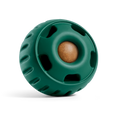
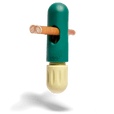
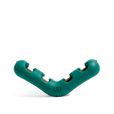
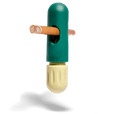
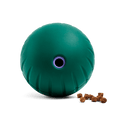
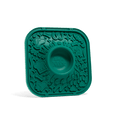
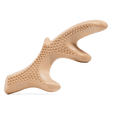
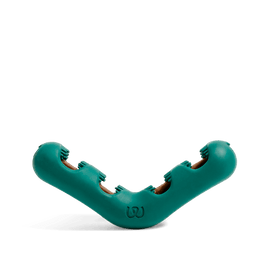
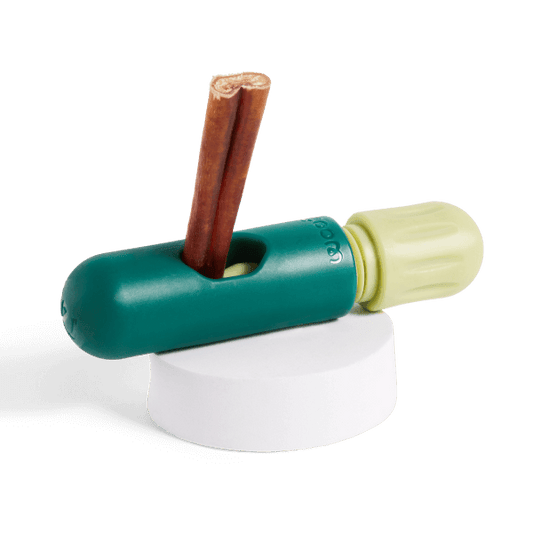
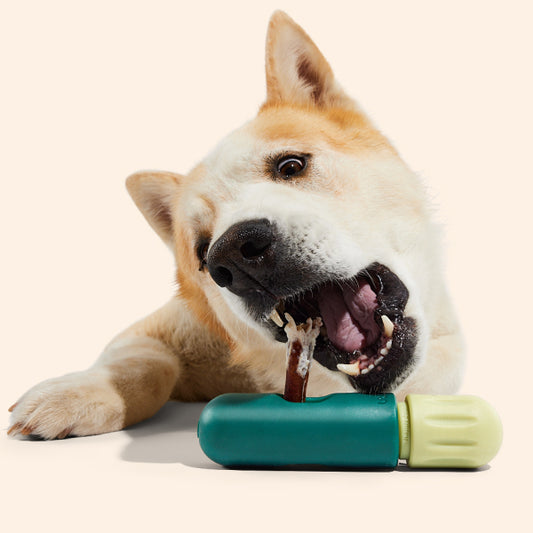
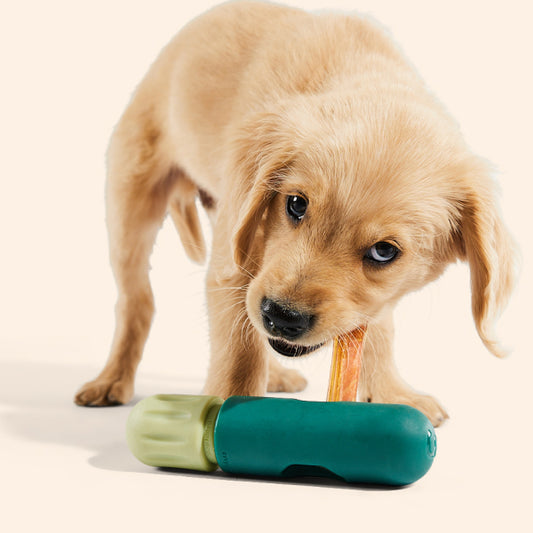
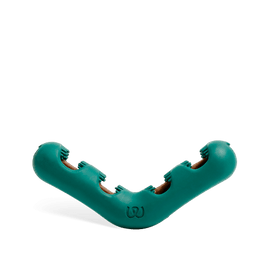
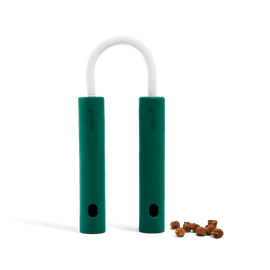
This is where The Bite n’ Brush can be especially helpful. It is designed to turn chewing into a more brush-like experience. As your dog bites and chews, the textured bristles help make contact with the teeth and gums, supporting a cleaner mouth through natural chewing behavior.
Instead of asking your dog to sit perfectly still while you brush every tooth, Bite n’ Brush gives them something to do. That matters. Dogs are more likely to cooperate when the experience feels rewarding instead of forced.
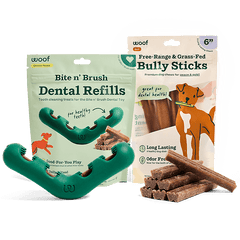
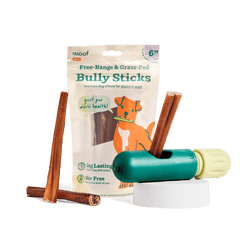
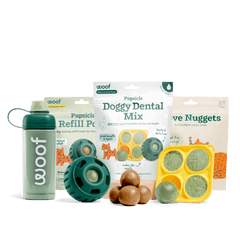
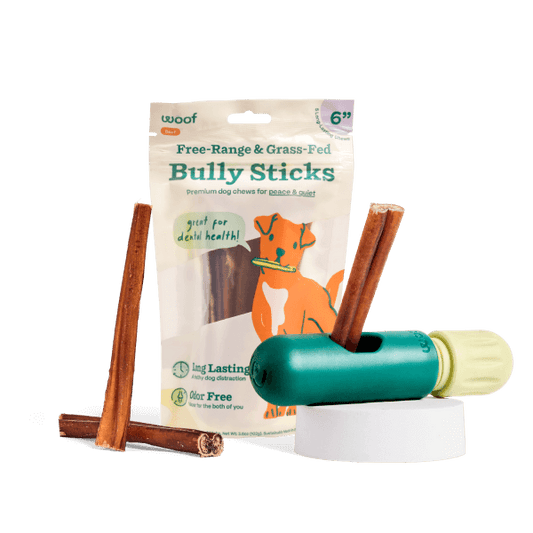
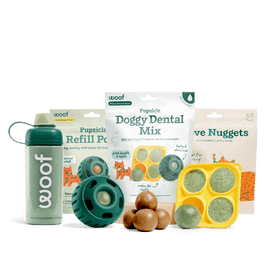
For dogs who are new to oral care or not thrilled about a standard toothbrush, The Bite n’ Brush Starter Pack is a smart way to begin. It gives you the toy and dental chew refills together, so your dog can start learning the routine right away.
What are Bite n’ Brush Refills?
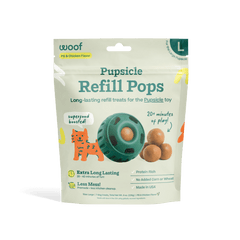
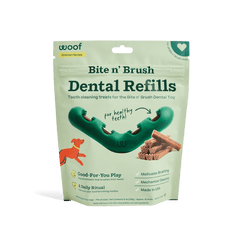
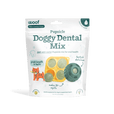
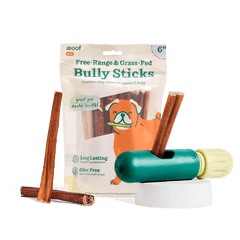
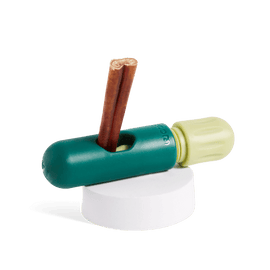
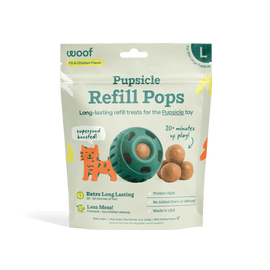
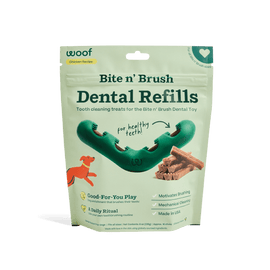
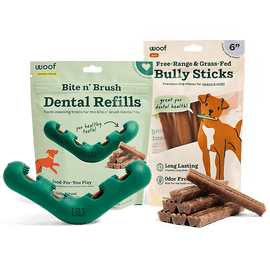
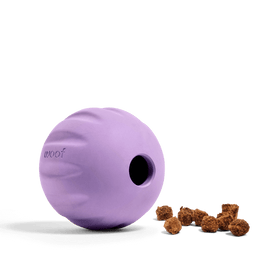
The Bite n’ Brush Refills are not replacement parts or brush pieces. They are edible dental chew treats made to go inside the Bite n’ Brush toy. The toy provides the brushing action through its textured design, while the refills give your dog something tasty and rewarding to chew.
Think of it this way: the Bite n’ Brush is the reusable dental toy, and the refills are the chew treats that help keep your dog interested. Together, they create a routine that feels more like enrichment and less like a chore.
A simple dog toothbrushing routine that actually feels doable
Dental care works best when it becomes part of everyday life. You do not need a complicated system. You just need a repeatable rhythm your dog can understand.
Tips for brushing your dog’s teeth
Start with the outside of the teeth. You do not need to pry your dog’s mouth wide open. Most plaque buildup happens along the outer surfaces and gumline, so begin there.
Focus on the gumline. Plaque loves to collect where the teeth meet the gums. Gentle, repeated contact in this area can help support better oral hygiene over time.
Keep sessions short. A quick, positive routine is easier to repeat. Stop while your dog is still calm instead of pushing until they get annoyed.
Choose the right moment. Try dental care after a walk, play session, or meal, when your dog is naturally a little more relaxed.
Use dog-safe products only. Never use human toothpaste for dogs. Use products made specifically for pets, and ask your veterinarian if you are unsure what is appropriate.
Let chewing help. If your dog resists a traditional toothbrush, dental toys and chew-based routines can make oral care feel more natural and enjoyable.
Can dental toys replace brushing completely?
Dental toys are helpful, but they are not magic wands. The best dog dental routine usually includes a combination of at-home care, safe chewing, and regular veterinary checkups. A product like The Bite n’ Brush can make dental care easier, especially for dogs who are not fans of traditional brushing, but it should be part of a broader oral care routine.
That is the practical answer most pet parents need. You do not have to choose between a toothbrush and a dental toy. You can use both. You can brush when your dog allows it, use Bite n’ Brush to make the habit more enjoyable, and keep your vet involved for professional guidance.
What if my dog refuses to let me brush?
Take the pressure off. If your dog hates toothbrushing, forcing the issue can make the problem worse. Instead, rebuild the routine from the beginning.
Start by simply touching the muzzle and rewarding calm behavior. Then lift the lip briefly. Then introduce a dog-safe toothbrush or dental toy. Then try a few seconds of contact. The process may feel slow, but slow is often what makes it work.
For many dogs, the breakthrough comes when dental care becomes interactive. That is why a chew-based option like The Bite n’ Brush can be so useful. It gives your dog a job: bite, chew, enjoy. Meanwhile, the toy’s bristles help support cleaner teeth during play.
Which Bite n’ Brush option should you choose?
| Product | What It Is | Best For |
|---|---|---|
| The Bite n’ Brush | A reusable dental chew toy with textured bristles. | Pet parents who want to make dental care feel more like play. |
| Bite n’ Brush Refills | Edible dental chew treats that fit inside the Bite n’ Brush toy. | Keeping your dog engaged with a tasty chew during dental play. |
| The Bite n’ Brush Starter Pack | A convenient starting point with the toy and refills together. | Dogs who are new to Bite n’ Brush or pet parents starting a routine. |
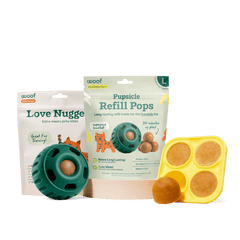
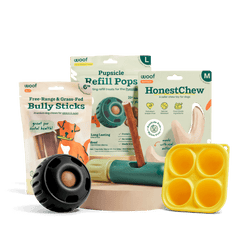
| The Ultimate Dental Pack | A more complete dental play bundle. | Pet parents who want an easy, all-in approach to fresher chewing habits. |
Dog toothbrushing FAQs
Should I brush my dog’s teeth every day?
Daily brushing is ideal, but consistency matters more than perfection. If daily brushing feels unrealistic at first, start with a few short sessions per week and build from there.
Is bad breath normal for dogs?
A little dog breath is common, but strong, unpleasant odor can be a sign that your dog’s mouth needs more attention. If bad breath is sudden, severe, or paired with red gums, drooling, or eating changes, contact your veterinarian.
How can I clean my dog’s teeth if they hate brushing?
Start slowly and use positive reinforcement. Let your dog sniff the tool, reward calm behavior, and keep sessions short. A chew-based dental toy like The Bite n’ Brush can also help make oral care feel more natural.
Are Bite n’ Brush Refills replacement parts?
No. Bite n’ Brush Refills are edible dental chew treats made to fit inside the Bite n’ Brush toy. They are not brush heads or replacement parts.
Do dental toys replace vet dental cleanings?
No. Dental toys can support at-home care, but they do not replace veterinary exams or professional cleanings when needed. Use them as part of a complete routine.
Ready to make dog dental care easier?
Turn chewing into a cleaner, fresher daily ritual with Woof’s Bite n’ Brush system.
Shop The Bite n’ Brush Shop The Starter PackA cleaner mouth starts with one small habit
So, should you brush your dog’s teeth? Absolutely. But it does not have to be perfect, complicated, or stressful. Start small, stay patient, and choose tools that make the experience easier for your pup to understand.
Your dog gives you love, loyalty, laughs, and plenty of slobbery kisses. Helping care for their teeth is one simple way to give that love right back. With a consistent routine and a playful helper like The Bite n’ Brush, dental care can become less of a chore and more of a happy little habit you both feel good about.


