






































































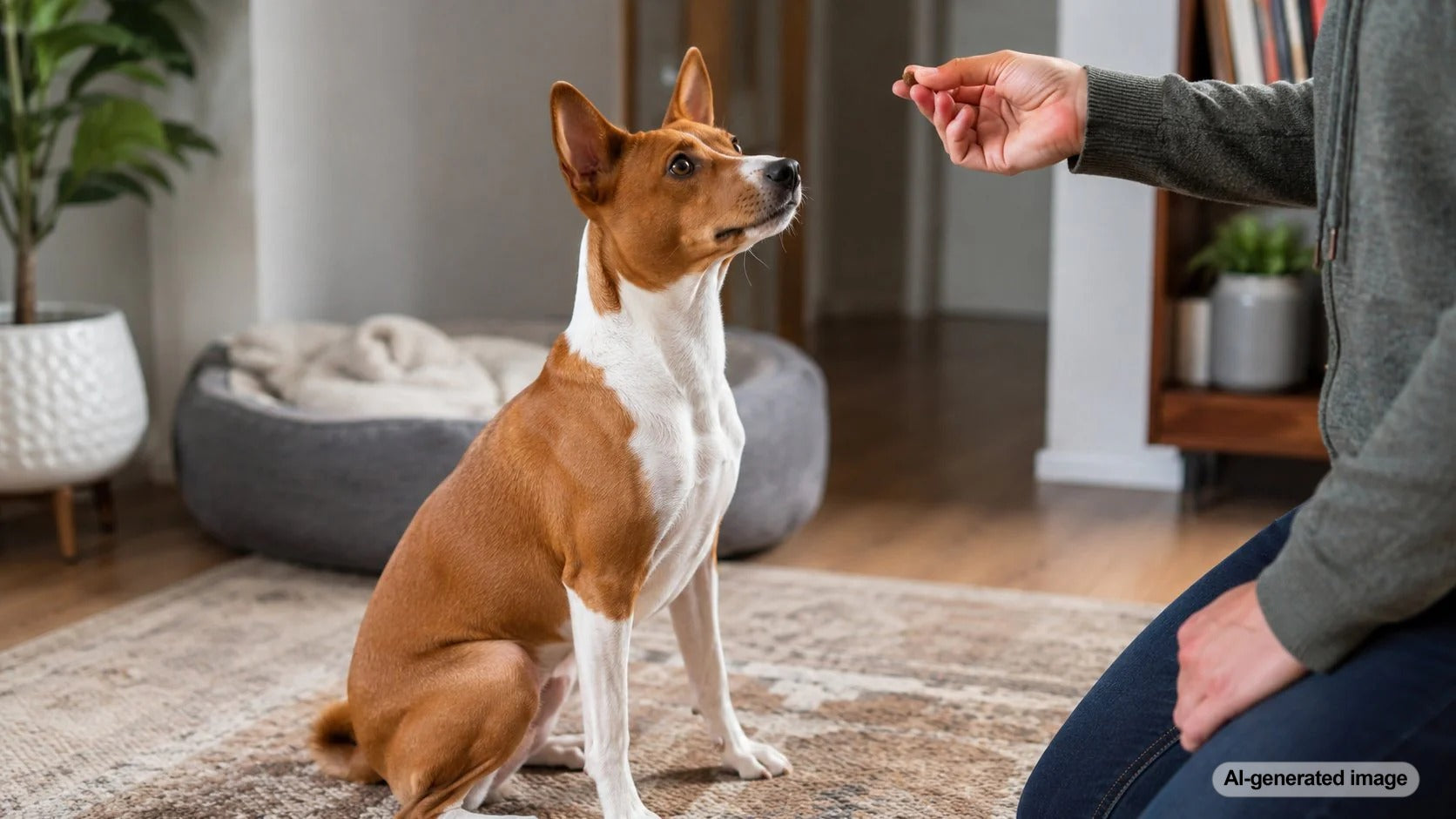
Food rewards can be one of the easiest ways to help your dog understand what you want, but they can also sneak extra calories into the day faster than most pet parents realize. A few treats for sitting nicely, a handful for leash practice, a snack for being cute, and suddenly treat time has turned into a second dinner. The trick is not to stop using food rewards, but to use them with a little more planning so your dog stays motivated without being overfed.
So, how do you use food rewards without overfeeding your dog? Think of treats as part of your dog's daily food budget, not bonus calories. Keep reward pieces small, use part of your dog's meal during training, choose the right reward for the moment, and build in non-food praise, play, and enrichment so food is helpful without becoming the whole routine.
Quick answer: Use tiny treats, count them into your dog's daily calories, keep most extras to about 10% or less of the day's food intake, and subtract training rewards from meals when needed. For longer sessions, mix high-value treats with kibble, praise, toys, sniff breaks, and short play so your dog stays engaged without getting overloaded.
Why Food Rewards Work So Well
Dogs repeat behaviors that pay off. When your dog sits, comes when called, drops a stolen sock, or calmly watches another dog pass by, a timely food reward can make that good choice more memorable. Food is fast, clear, and easy for most dogs to understand.
The challenge is that training often works best with frequent rewards, especially when your dog is learning something new or practicing around distractions. That does not mean every reward needs to be a full-size biscuit. In fact, most training rewards should be small enough for your dog to swallow quickly and get right back to learning.
For many dogs, a pea-sized piece is enough. Tiny dogs may need crumbs. Large dogs do not automatically need large treats. They usually care more about smell, flavor, timing, and excitement than the size of the piece.
Start With a Daily Treat Budget
A simple way to avoid overfeeding is to decide how much treat room your dog has before the day begins. Most of your dog's calories should come from complete and balanced meals, while treats, snacks, and extras should stay limited. If your dog is gaining weight, has a medical condition, is on a prescription diet, or you are unsure how many calories they need, ask your veterinarian for guidance.
You do not have to count every crumb forever. Start by looking at your dog's food label, current meal amount, and the calorie information on treats. Once you know the rough numbers, you can make a treat plan that feels realistic. For example, on a heavy training day, you might reduce the dinner portion slightly or use a portion of breakfast kibble as rewards.
Helpful tip: Put your dog's daily training rewards into a small container each morning. When the container is empty, switch to praise, play, petting, sniff walks, or a few pieces of regular kibble from the next meal.
Make Rewards Smaller, Not Less Meaningful
One common mistake is thinking a reward has to be big to feel valuable. Dogs are often thrilled by a tiny piece when it arrives at the exact right second. A small treat delivered right after the behavior is usually more useful than a large treat delivered too late.
Soft, easy-to-break treats are helpful because you can make them stretch. Woof's Love Nuggets are bite-sized training treats, and many pet parents like rewards that are easy to portion during practice. For calorie-conscious training, break pieces smaller when possible and use higher-value rewards only when the situation is harder, such as recall practice, vet handling, or walking past distractions.
Think of reward value in levels. Kibble may work for easy cues at home. Small training treats may work for neighborhood walks. Extra-special rewards can be saved for the big wins, like coming when called away from a squirrel or staying calm near a noisy delivery truck.
Use Your Dog's Meals as Training Fuel
If your dog eats kibble or another portionable food, part of breakfast or dinner can become a training stash. This works especially well for puppies, dogs learning manners, and food-motivated dogs who are happy to work for their regular meals.
Try setting aside 10 to 20 pieces of breakfast for quick practice throughout the morning. Ask for a sit before clipping the leash, reward eye contact at the door, practice a few recalls in the hallway, or reinforce calm behavior while you make coffee. These tiny moments add up, and they use food your dog was already going to eat.
For dogs who inhale meals, food rewards can also be worked into enrichment. A puzzle-style feeder or slow-feeding toy can turn part of a meal into a brain game. The Walkabout is a rolling slow-feeder puzzle ball designed to make kibble or treats more engaging, which can be useful when you want food to last longer without simply adding more of it.
Match the Reward to the Situation
| Situation | Smart reward choice | Why it helps |
|---|---|---|
| Easy cue at home | Kibble, tiny treat pieces, praise | Keeps calories low for behaviors your dog already knows |
| New skill | Small, frequent food rewards | Helps your dog connect the behavior with the payoff |
| High distraction | Higher-value tiny treats | Competes with exciting smells, sounds, and movement |
| Calm settling | Slow licking, chew time, or food puzzle | Encourages longer engagement instead of rapid snacking |
Using the same reward for everything can make training less effective. If your dog gets a high-value treat for every easy sit in the kitchen, you may have nowhere to go when the environment gets harder. Save the best rewards for the hardest moments and keep everyday practice simple.
Watch for Hidden Calories
Overfeeding often comes from foods people forget to count. A spoonful of peanut butter, cheese for pills, table scraps, dental chews, lick mat spreads, bully sticks, training treats, and leftover snack bites all count as extras. None of these are automatically bad, but they should fit into the whole day.
Small dogs are especially easy to overfeed because a little extra food can be a big percentage of their daily needs. Senior dogs may also need adjustments if they are less active than they used to be. Puppies need plenty of nutrition for growth, so check with your vet before cutting back meals, especially if you are doing frequent training.
Common treat-time mistakes to avoid:
- Using full-size treats for every repetition.
- Rewarding with food long after the behavior happened.
- Letting every family member treat without sharing the daily budget.
- Adding enrichment snacks on top of normal meals without adjusting portions.
- Ignoring weight changes, appetite changes, vomiting, diarrhea, or sudden behavior shifts. Call your veterinarian if something seems off.
Build a Reward Mix That Is Not Only Food
Food is useful, but it does not have to carry the whole relationship. Many dogs also love praise, tug, fetch, sniffing a tree, getting permission to greet a favorite person, or being released to chase a toy. These life rewards can be powerful when used intentionally.
For example, if your dog checks in with you on a walk, you might say yes and let them sniff the grass. If they drop a toy, start another round of tug. If they settle on their bed while you eat dinner, offer calm praise and a small reward from their daily budget. This keeps training rewarding without turning every good choice into more calories.
A Simple Daily Plan for Food Rewards
Here is an easy routine to try. In the morning, measure your dog's meals as usual. Set aside a small portion for training. Choose a few tiny high-value rewards for harder moments. Keep the rest of the day focused on short practice sessions, calm reinforcement, and non-food rewards.
At night, look at what was actually used. If your dog had extra treats during a class, grooming visit, or travel day, keep dinner lighter only if your veterinarian has said that is appropriate for your dog. If you are adjusting food often or your dog seems hungry, tired, uncomfortable, or is changing weight, check in with your vet.
Dog Parent FAQs
Can I train my dog with treats every day?
Yes, many dogs can train with treats daily when rewards are small and included in the overall food plan. For known cues, gradually mix in praise, play, sniff breaks, and kibble so your dog does not need a treat every single time.
Should I use kibble as training treats?
Kibble can be a great option for easy practice at home, especially if your dog is food motivated. Save higher-value treats for new skills, stressful settings, or distracting environments.
What if my dog only listens when I have food?
Start hiding the treat pouch sometimes, reward from different places, and add real-life rewards like opening the door, tossing a toy, or giving a sniff break. A qualified trainer can help if your dog struggles to respond without seeing food first.
How do I know if I am overfeeding treats?
Signs may include weight gain, picky eating at meals, soft stool, or constantly begging for snacks. If you notice appetite changes, digestive issues, discomfort, or sudden behavior changes, ask your veterinarian for advice.
The Bottom Line on Food Rewards
Food rewards are not the problem. Unplanned extras are. When you make treats tiny, count them into the day, use meals as training fuel, and save the highest-value rewards for the moments that really need them, you can keep training fun without overdoing it.
Your dog does not need endless snacks to feel loved. They need clear feedback, consistent routines, and rewards that make sense for their body, brain, and day-to-day life. With a little planning, food rewards can stay exactly what they should be: a joyful, useful tool for building better habits together.


