






































































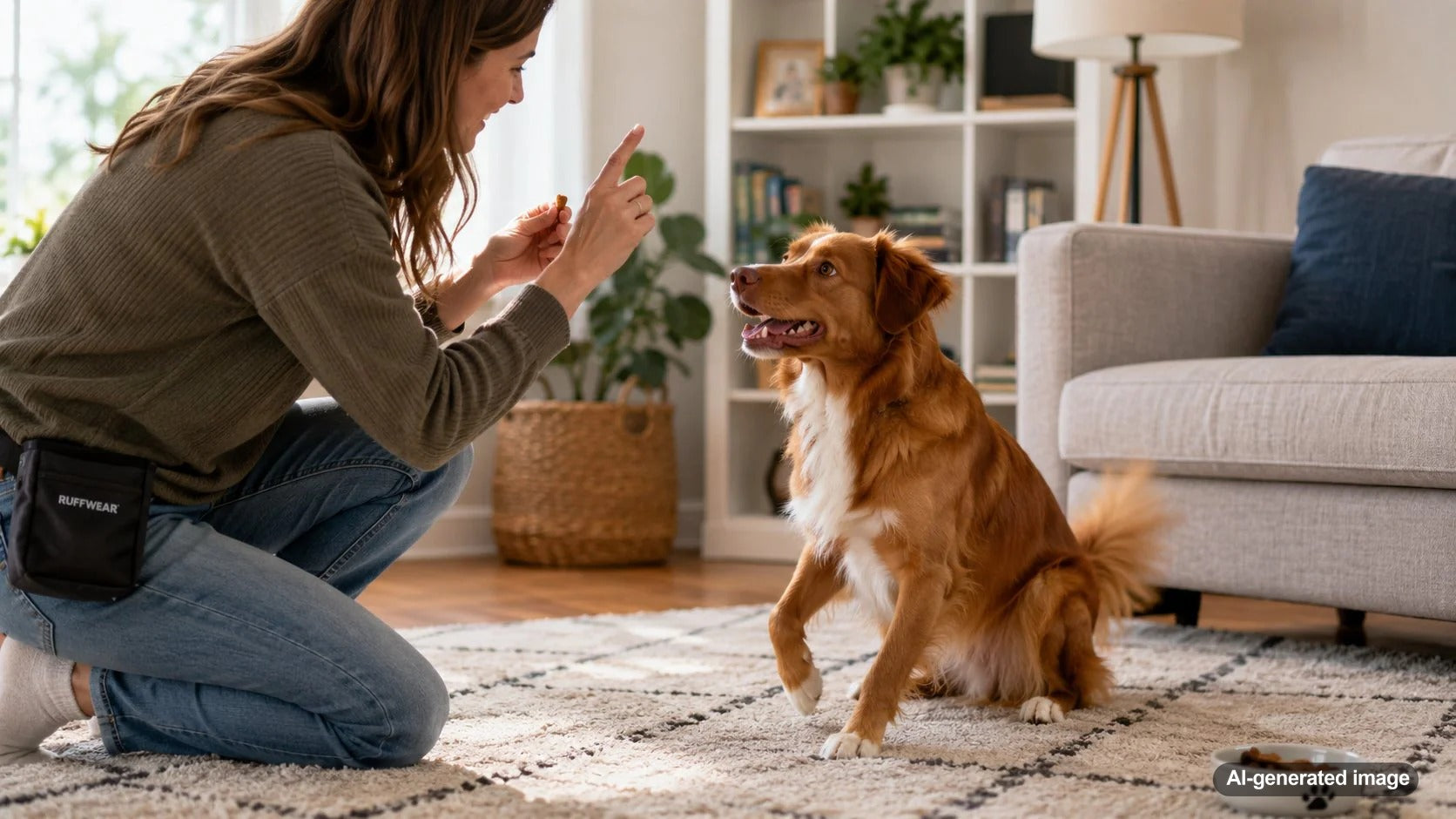
Teaching your dog commands in two languages can be surprisingly simple when you slow the process down and make each word mean something clear. Dogs do not care whether you say sit, sientate, assis, or platz. What matters most is that each cue sounds consistent, predicts the same behavior, and is followed by calm, timely reinforcement.
So, can a dog really learn bilingual commands? Yes, many dogs can. The trick is not to dump a second language onto every cue at once. Instead, you teach one known behavior, add one new word, and reward your dog for making the same correct choice.
Why Dogs Can Learn Commands in Two Languages
Dogs are excellent pattern learners. They notice sounds, gestures, body position, reward timing, and routines. That means your dog is not translating the way a person does. Your dog is learning that a certain sound leads to a certain action and, often, something good afterward.
This is why consistency matters more than the specific language. If one person says down to mean lie down and another person says down to mean get off the couch, your dog may get confused. In bilingual homes, the same rule applies. Decide what each word means before you begin, then make sure everyone uses it the same way.
Start With One Strong Language First
Before adding a second-language cue, choose a command your dog already understands well. Good starter cues include sit, come, down, stay, place, leave it, and drop it. Your dog should respond most of the time in a quiet setting before you add a new word.
If your dog is still guessing, jumping, barking, or offering random behaviors, pause and strengthen the original cue first. Adding another language too early can accidentally teach your dog that both words mean, Wait, what do you want from me?
The Simple Two-Language Training Method
Pick one cue and one second-language word. For example, if your dog knows sit, you might add sientate, assis, or any word your family uses naturally. Stand in a quiet room with treats ready. Say the new cue once, pause for half a second, then say the familiar cue. When your dog performs the behavior, mark it with yes or a clicker, then reward.
After several successful repetitions, begin to give your dog a little more time after the new cue. Say the new word, pause, and watch. If your dog sits before you say the old word, reward generously. If your dog does not respond, calmly add the familiar cue and reward the correct behavior.
Choose one known command and one new-language cue.
Say the new cue first, then the familiar cue.
Reward the correct behavior right away.
Gradually pause longer before using the familiar cue.
Use Rewards That Keep Training Fast and Fun
Bilingual cue training works best when your dog stays engaged but not overexcited. Use small rewards your dog can eat quickly, so the session keeps moving. Tiny soft treats, pieces of kibble, praise, or a quick toy reward can all work depending on what your dog loves.
For bite-sized training moments, Love Nuggets can be a handy reward because they are made for quick, happy treating without turning every repetition into a huge snack break. Keep rewards small, especially if you are practicing several short sessions throughout the day.
After training, some dogs benefit from a decompression activity. A few minutes with The Pupsicle can be part of a calm enrichment routine after mental work, especially for dogs who get excited during practice and need help settling back down.
Keep Hand Signals the Same
Hand signals can make bilingual training much easier. If your dog already recognizes a hand motion for sit, down, or stay, keep that signal the same while you introduce the second-language word. The visual cue acts like a bridge while your dog learns the new sound.
For example, say the new word for sit while using the same upward hand motion your dog already knows. Over time, your dog begins to connect the new verbal cue with the familiar movement and behavior. This is especially helpful in busy homes where different family members may have different accents, speech speeds, or tones.
Common Mistakes That Confuse Dogs
The biggest mistake is repeating both commands over and over. If you say sit, sit, sientate, sit, sit, your dog may learn that the whole noisy string is the cue. Say each word clearly and only once when possible.
Another common issue is changing the cue too much. Sit down, sit please, go sit, and sit right now may all sound different to your dog. Pick one word per behavior in each language and stick with it.
Also avoid practicing when your dog is too tired, hungry, overstimulated, or distracted. Puppies may only focus for a minute or two. Senior dogs may need slower repetitions and softer surfaces. Powerfully excited dogs may need a short walk or sniff break before they can concentrate.
When to Practice in Real Life
Once your dog understands the new cue indoors, practice in easy real-life moments. Ask for the second-language sit before clipping on the leash. Practice down before a quiet meal. Try come from a few feet away in the hallway before using it outside.
Do not rush straight to the dog park, a busy sidewalk, or a family gathering. Dogs do not automatically generalize skills to every environment. A cue learned in the kitchen may need extra practice in the yard, at the front door, and near mild distractions.
How Long Does Bilingual Command Training Take?
Some dogs start responding to a second-language cue within a few sessions. Others need days or weeks of short, consistent practice. Age, training history, motivation, distractions, and the clarity of your timing all make a difference.
Keep expectations fair. A dog who is new to training may need to learn how the training game works first. A dog who already loves cues, treats, and predictable routines may pick up the new words faster.
Dog Parent FAQs
Will teaching two languages confuse my dog?
Not if you introduce the second language clearly and consistently. Teach one cue at a time, keep the behavior the same, and avoid mixing multiple new words in one session.
Should each person in the house use the same language?
Not always. Dogs can learn that different people use different cue words, but everyone should be consistent about what each word means and what behavior earns the reward.
Can I teach a puppy bilingual commands?
Yes, but keep sessions very short and simple. Puppies do best with clear cues, gentle rewards, and lots of breaks.
What if my dog ignores the new-language cue?
Go back to pairing the new cue with the familiar cue. If your dog seems stressed, confused, or suddenly less responsive overall, consider checking in with a qualified trainer or your veterinarian.
The Bottom Line
Training a dog to recognize commands in two languages is less about perfect pronunciation and more about clear communication. Start with one known behavior, add one new word, reward quickly, and practice in small moments your dog can handle. With patience, consistency, and a little treat-powered teamwork, your dog can learn that two different words can point to the same happy, confident behavior.


