






































































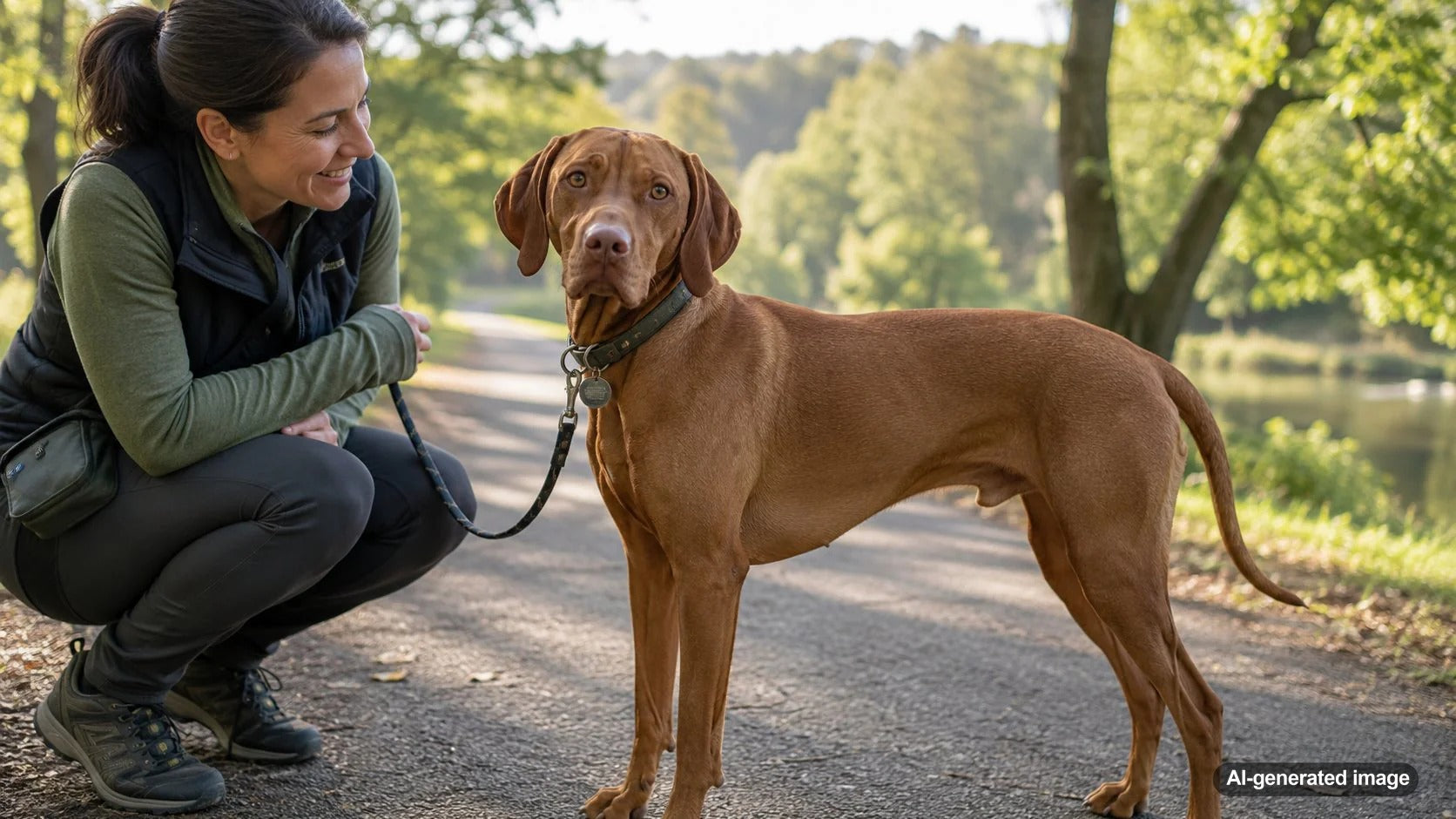
Dogs do not always announce, in obvious ways, that their day has become too boring, too chaotic, or simply out of sync with what they need. Sometimes the clue is a shredded throw pillow, a sudden case of zoomies at bedtime, a dog who cannot settle after a walk, or a pup who seems less excited about the same old toys and treats. How to Tell If Your Dog Needs a New Routine starts with noticing patterns, because most dogs thrive when their day includes the right mix of movement, rest, mental stimulation, chewing, licking, training, and connection.
A new routine does not have to mean a total life overhaul. In many homes, it simply means adding a calmer decompression activity after a busy morning, swapping one predictable walk for a sniffier route, using mealtime as enrichment, or giving a power chewer a safer outlet before they start auditioning your furniture.
1. Your Dog Is Making Their Own Entertainment
One of the clearest signs your dog needs a new routine is that they start creating activities you definitely did not approve. Chewing shoes, raiding the trash, digging at blankets, pulling stuffing from toys, barking out the window, or pacing from room to room can all be signs that your dog has energy or curiosity with nowhere useful to go.
This does not mean your dog is being bad. Many dogs chew, shred, lick, sniff, and problem-solve because those behaviors are naturally satisfying. If their routine does not include enough appropriate outlets, they may choose whatever is available.
Try adding one structured enrichment moment before the time of day when trouble usually starts. For example, if your dog gets wild around 5 p.m., offer a short training session, a sniffy walk, or a longer-lasting activity before that energy peaks. The Pupsicle can be a useful tool for dogs who benefit from a more focused, longer-lasting treat activity during busy household moments.
2. Walks Are Not Doing What They Used To Do
A tired dog is not always a satisfied dog. Some dogs can take a long walk and still come home wired because the walk did not meet the need they were carrying. A fast sidewalk walk may help with physical exercise, but it might not give your dog enough sniffing, choice, or mental work.
If your dog comes home and immediately barks, mouths, jumps, chews, or pesters everyone, try changing the purpose of one walk. Make it a sniff walk instead of a distance walk. Let your dog pause safely, investigate grass, check out a tree, and use their nose. For many dogs, sniffing is not a delay in the walk. It is the point of the walk.
3. Your Dog Cannot Settle Even When Nothing Is Happening
A healthy routine includes active time and off-switch practice. If your dog follows you from room to room, pops up at every sound, whines when you sit down, or seems unable to relax unless they are completely exhausted, they may need more predictable calming cues in their day.
Licking and chewing can be soothing for many dogs because these activities give them a simple, repetitive job. A lick mat, slow feeder, or safe chew session can help create a transition from excitement to rest. For dogs who need a calm moment after walks, guests, grooming, or travel, FlipMat can support a slower, more focused enrichment routine with licking and slow feeding.
Keep the setup boring in the best way. Same quiet corner, same mat or bed, same general time of day, and a low-key tone from you. Over time, those details can become part of the cue that says, now we settle.
4. Your Dog Is Bored With Their Usual Rewards
If your dog sniffs a toy and walks away, ignores a treat they used to love, or seems unimpressed by the same game every afternoon, their routine may need more variety. Dogs can get bored when every reward feels predictable, especially smart dogs, working breeds, adolescents, and dogs who spend long stretches indoors.
Variety does not mean constantly buying new things. You can rotate toys, change the room where you play, hide a few treats in a towel, practice easy cues before dinner, or freeze part of a meal into a toy. Even a small change in texture, temperature, scent, or challenge level can make an ordinary moment feel fresh.
5. Chewing Has Become More Intense or More Destructive
Chewing is normal, but the pattern matters. Puppies chew heavily while teething and exploring. Adolescent dogs may chew because their energy is bigger than their impulse control. Adult dogs may chew when bored, frustrated, or under-stimulated. Senior dogs might chew differently if their mouth feels uncomfortable, so new or unusual chewing should be watched carefully.
If your dog is targeting furniture, door frames, baseboards, laundry, or kid toys, they may need more appropriate chewing options and better timing. Offer a satisfying chew before they usually start searching for trouble, not after. Supervise chew time, choose the right size and durability for your dog, and remove anything that becomes small, sharp, or damaged.
If chewing appears suddenly, is paired with drooling, pawing at the mouth, bad breath, bleeding gums, appetite changes, or reluctance to eat, ask your veterinarian. That may be more than a routine issue.
6. Your Dog Is Having a Hard Time With Alone Time
A routine that worked when you were home more often may not work when schedules change. Dogs who struggle with alone time may bark, howl, pace, drool, scratch at doors, chew near exits, have accidents indoors, or seem frantic when you pick up keys or put on shoes.
Not every alone-time problem is separation anxiety, and not every clingy dog needs the same plan. Some dogs are bored when left alone. Some are worried. Some are both. A camera can help you see what is happening after you leave, but serious distress deserves professional support from a veterinarian or qualified trainer.
For mild boredom, build a calmer departure pattern. Give your dog a potty break, a short enrichment activity, and a predictable rest spot. Keep departures and returns low-key. For distress that escalates, skip the guessing and ask for help.
7. Your Dog's Needs Changed With Age, Season, or Lifestyle
Dogs are not static. Puppies become teenagers. Adults become seniors. Summer heat changes walk tolerance. Winter weather can shrink outdoor time. A new baby, a move, a different work schedule, or a busier household can all make yesterday's perfect routine feel wrong today.
The best routine is flexible. Watch how your dog responds, then adjust the challenge level, duration, and timing.
A Simple Reset Plan for a Better Daily Dog Routine
You do not need to fix everything at once. Start with one week of small, repeatable changes and track what improves. The goal is not a packed schedule. It is a rhythm your dog can understand and your real life can sustain.
- Choose one daily sniff walk or sniff break where your dog gets more time to explore safely.
- Use one meal as enrichment in a slow feeder, puzzle, lick mat, or treat toy.
- Add a short 3-5 minute training session with easy wins like touch, sit, place, or recall practice.
- Schedule one calm chew or lick activity before your dog's usual restless window.
- Protect rest by giving your dog a quiet spot after busy activity.
- Rotate toys and enrichment items every few days instead of leaving everything out all the time.
If your dog improves, you have useful information: they likely needed more structure, stimulation, or decompression. If nothing changes, or if the behavior feels intense, sudden, or unsafe, bring in your veterinarian or a qualified behavior professional.
Common Mistakes Dog Parents Make When Changing a Routine
The first mistake is adding only more physical exercise. More running can help some dogs, but others need sniffing, chewing, licking, food puzzles, training, or better rest. The second mistake is changing too much at once. Dogs learn patterns, so a routine that changes every day may create more confusion than comfort.
Another common mistake is waiting until the dog is already over the edge. If your pup gets wild every evening, start the calming routine earlier. If they chew when you take work calls, set up an enrichment activity before the call begins. Timing can make the difference between prevention and cleanup.
Dog Parent FAQs
How long does it take for a dog to adjust to a new routine?
Many dogs begin responding to small routine changes within a few days, but some need a few weeks of consistency. Keep the changes simple, repeatable, and easy for your dog to understand.
Can a bored dog look tired?
Yes. Some bored dogs seem lazy, withdrawn, or uninterested because their day lacks variety or rewarding activities. If low energy is sudden or unusual, check with your veterinarian.
Should I change my dog's routine if they are acting anxious?
Gentle structure may help some dogs feel more secure, but anxiety can be complex. If your dog panics, cannot settle, destroys exits, drools, has accidents, or seems deeply distressed, ask a veterinarian or qualified trainer for guidance.
What is the easiest first routine change to try?
Start by turning one predictable moment into enrichment. Use part of a meal in a puzzle, slow feeder, lick mat, or treat toy, and offer it at the time of day when your dog usually gets bored or restless.
The Bottom Line on How to Tell If Your Dog Needs a New Routine
Your dog may need a new routine when their behavior says their current day is not giving them enough of the right things. Restlessness, chewing, barking, clinginess, boredom, poor settling, and changes around alone time are all clues worth noticing. Start small, watch the pattern, and build a daily rhythm that includes movement, sniffing, mental work, safe chewing, calming enrichment, and plenty of rest.
A better routine is not about perfection. It is about helping your dog feel more understood, more satisfied, and more comfortable in the everyday moments you share.


