































































Barking is a natural form of communication for dogs, but when it becomes incessant, it can lead to frustration for both owners and neighbors. Understanding the root cause of your dog's barking is the first step in addressing the issue effectively. Whether it's due to boredom, anxiety, or territorial instincts, there are several strategies you can employ to reduce nuisance barking and restore peace to your home.
Identify the Cause of the Barking
Before implementing any solutions, it's crucial to determine why your dog is barking. Common reasons include:
- Boredom: Dogs left alone without stimulation may bark out of frustration.
- Anxiety: Separation anxiety or fear of certain stimuli can trigger barking.
- Territorial Behavior: Barking at passersby or other animals to protect their space.
- Attention-Seeking: Barking to gain attention or rewards from their owners.
Once you've identified the cause, you can tailor your approach to address the specific issue.
Implement Positive Reinforcement Training
Positive reinforcement is a humane and effective method to curb unwanted barking. Reward your dog with treats, praise, or playtime when they remain quiet in situations that typically trigger barking. Over time, your dog will associate silence with positive outcomes and be more likely to reduce unnecessary barking.
Provide Adequate Exercise and Mental Stimulation
A tired dog is a quiet dog. Ensure your pet receives sufficient physical exercise and mental stimulation to prevent boredom-induced barking. Regular walks, interactive play sessions, and puzzle toys can help expend excess energy and keep your dog engaged.
Manage the Environment
Controlling your dog's environment can minimize exposure to barking triggers. Consider the following:
- Block Visual Stimuli: Use curtains or privacy film on windows to prevent your dog from seeing passersby.
- Use Background Noise: Playing soft music or white noise can mask external sounds that may provoke barking.
- Limit Access to Triggers: Keep your dog away from areas where they can see or hear potential stimuli.
These environmental adjustments can help reduce your dog's reactive barking.
Teach the 'Quiet' Command
Training your dog to respond to a 'quiet' command can be highly effective. Begin by allowing your dog to bark a few times, then calmly say 'quiet' and wait for them to stop. Once they do, immediately reward them with a treat or praise. Consistent practice will help your dog learn to associate the 'quiet' command with stopping barking.
Utilize Interactive Toys and Chews
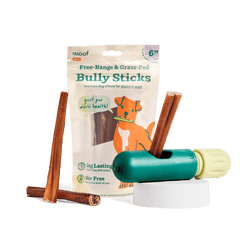
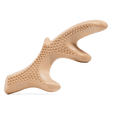
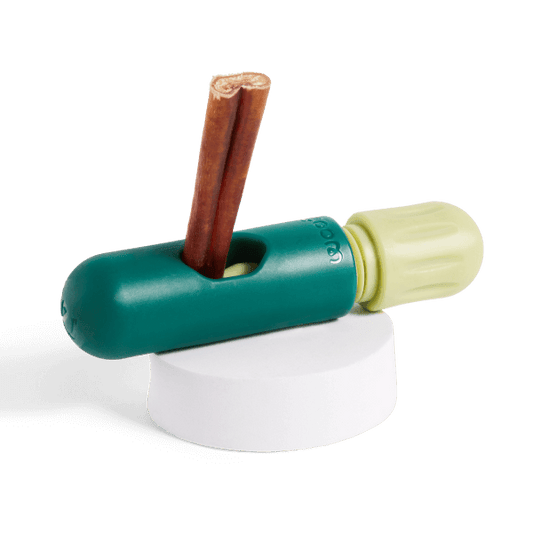
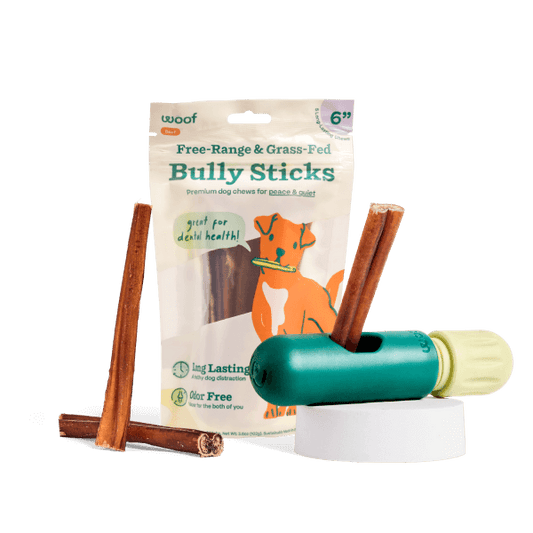
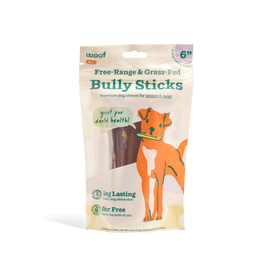
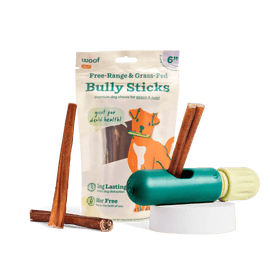
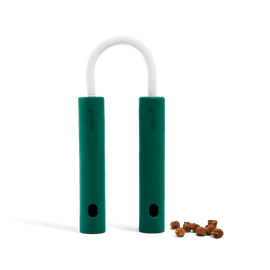
Engaging your dog with toys that stimulate their mind can reduce barking caused by boredom. Woof's Pupsicle is an interactive dog toy designed to keep your pup busy and distracted. Additionally, Woof's HonestChew provides a durable chew option that satisfies your dog's natural chewing instincts.
Consider Professional Help
If your dog's barking persists despite your efforts, it may be beneficial to consult with a professional dog trainer or behaviorist. They can assess your dog's behavior and develop a customized training plan to address the issue effectively.
By understanding the reasons behind your dog's barking and implementing these strategies, you can create a quieter and more harmonious environment for both you and your pet.


