






































































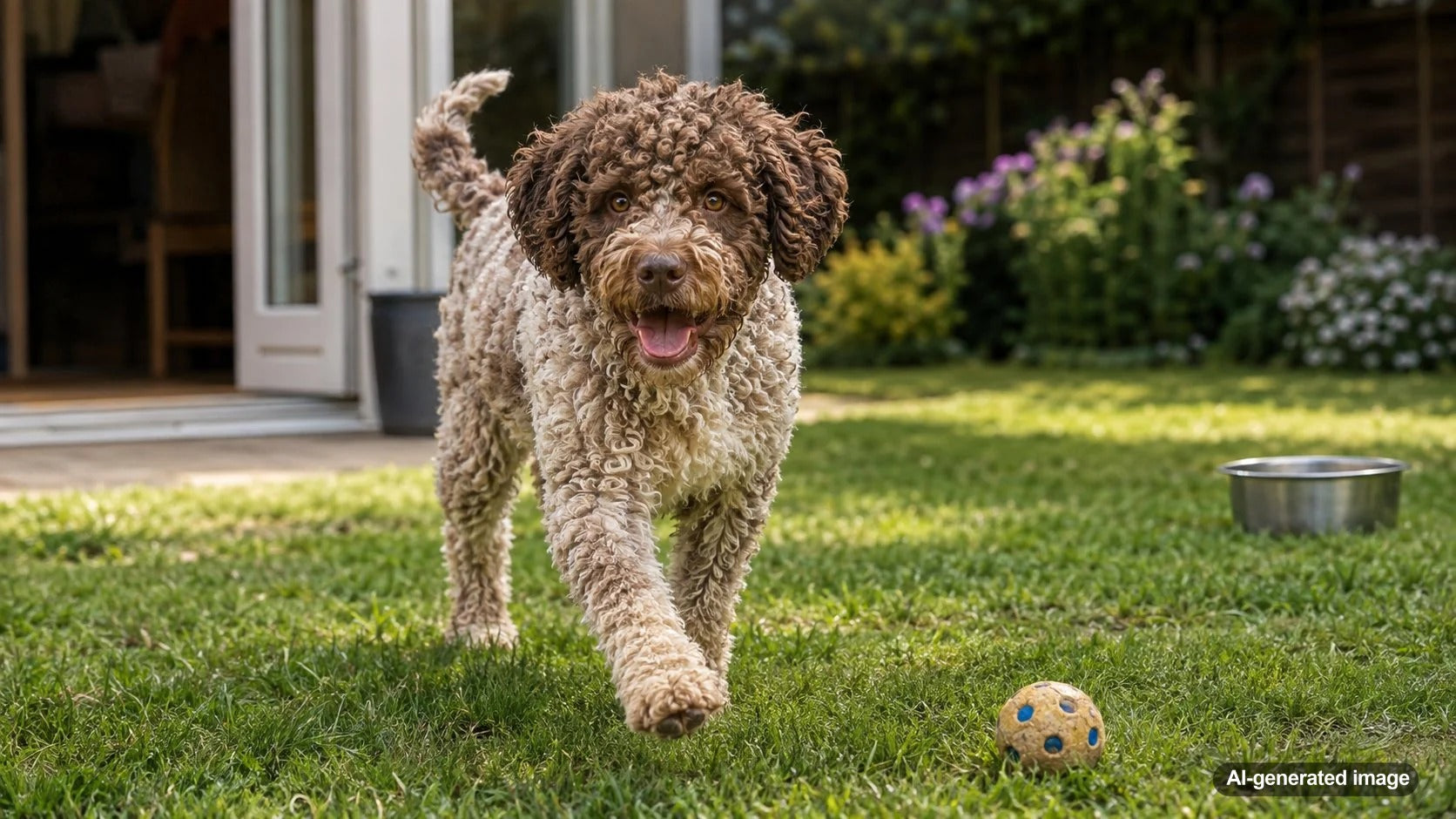
A better routine does not have to mean another long walk, a packed training calendar, or constant entertainment. Most dogs benefit more from a few thoughtful changes to activities already happening each day. By improving the quality, predictability, and purpose of familiar moments, you can support enrichment and calm without turning dog care into a second full-time job.
The goal is not to keep your dog occupied every minute. Dogs also need undisturbed sleep, quiet observation, and chances to settle without human direction. A strong routine balances movement, thinking, connection, practical care, and genuine downtime.
Start With the Routine You Already Have
Before adding anything, look at what your dog already does from waking up to bedtime. Mark the predictable anchors: potty trips, meals, walks, departures, reunions, family time, and sleep. These are the easiest places to add value because they require little or no extra time.
For example, breakfast can become a slow-feeding activity. A potty walk can include three minutes of unhurried sniffing. Waiting for the leash can become a brief practice of standing calmly. Evening television time can include a supervised chew or licking activity followed by rest.
Watch how your dog behaves after each part of the day. A dog who paces after a fast walk may need more sniffing or a calmer transition, not another mile. A dog who becomes wild after several exciting games may be overtired rather than under-exercised.
Improve One Daily Anchor at a Time
Allow a relaxed sniff during the first outing instead of rushing every step.
Use part of the normal food allowance in a slow feeder, puzzle, or simple search game.
Practice one useful behavior, such as settling on a mat, for two or three minutes.
Repeat a quiet sequence that signals activity is ending and rest is beginning.
Choose just one anchor and improve it for a week. Once it feels automatic, adjust another. This approach is easier for people to maintain and gives dogs time to learn what each new pattern means.
Trade Some Physical Activity for Richer Activity
Exercise matters, but more speed and distance are not always the answer. Sniffing, searching, licking, chewing, and solving simple food puzzles can engage behaviors that a brisk sidewalk loop may barely touch.
Try turning the final portion of a regular walk into a sniff-led return home. Let your dog investigate safe areas while you keep the leash loose and the pace easy. Indoors, scatter a measured portion of kibble across a clean rug or place it in several easy hiding spots. Beginners should see or smell the food without becoming frustrated.
Difficulty should match the dog. Puppies often need short, easy wins before they lose focus. Senior dogs may prefer stationary activities on nonslip flooring. Flat-faced dogs, dogs with limited mobility, and dogs recovering from illness may need activities adapted with guidance from a veterinarian. Power chewers require durable, appropriately sized items and close supervision.
Use Meals Instead of Adding Extra Treat Sessions
Food enrichment does not need to add calories. Reserve part of your dog's measured meal for training, searching, or a food toy. Start simply, especially if your dog has only eaten from a bowl. An activity that is too difficult can create frustration rather than useful mental engagement.
For a convenient licking session, FlipMat can turn part of an existing meal or dog-safe spread into a dual-sided slow-feeding activity. Another option is The Pupsicle, which can provide a supervised, longer-lasting treat activity during a time when your dog already needs help settling.
Count treats and enrichment food as part of the day's intake. Check ingredient suitability with your veterinarian if your dog has allergies, digestive sensitivities, a prescription diet, or another medical concern.
Build Tiny Training Moments Into Real Life
A useful training routine can consist of several 30-second repetitions attached to everyday actions. Ask for a pause before placing the food bowl down. Reward four paws on the floor when greeting. Practice a hand target before clipping the leash. Reinforce going to a bed while dinner is prepared.
These moments teach practical skills in the exact settings where your dog needs them. Keep the criteria achievable and reward promptly. If the dog repeatedly fails, simplify the task, reduce distractions, or move farther from the trigger. Training should look like learning, not a prolonged test.
Protect Rest Instead of Filling Every Gap
Many dogs sleep or rest for much of the day, although individual needs vary with age, health, and activity. A dog who is constantly invited to play may struggle to practice settling independently.
Create a comfortable resting area away from heavy foot traffic. After exercise or enrichment, lower the household energy and allow your dog to disengage. You do not need to keep presenting new activities because your dog glances at you. Sometimes the most helpful routine is a predictable signal that nothing else is about to happen.
Know When the Routine Needs Professional Help
A routine adjustment should not be used to explain away a major change in behavior. Contact your veterinarian if your dog suddenly becomes restless, withdrawn, unusually tired, destructive, house-soils after being reliably trained, refuses food, appears painful, limps, vomits, has diarrhea, or shows excessive drooling. Sudden behavior changes can have medical causes.
If barking, panic during departures, guarding, reactivity, or destructive behavior is persistent or escalating, ask a qualified reward-based trainer or veterinary behavior professional for help. More activity is not always the solution, particularly when fear, pain, or separation-related distress may be involved.
Dog Parent FAQs
How much enrichment does a dog need every day?
There is no universal number. Age, breed tendencies, health, temperament, and daily exercise all matter. Start with one or two short activities and watch whether your dog finishes relaxed, satisfied, and able to rest.
Can too much enrichment make a dog more hyper?
Constant high-energy play can leave some dogs overstimulated or overtired. Balance exciting activities with sniffing, licking, chewing, simple training, and quiet recovery periods.
Should a dog's schedule be exactly the same every day?
No. Predictable sequences can create security, but small variations in timing help prevent dependence on an exact minute-by-minute schedule.
What is the easiest routine upgrade to try first?
Use part of one regular meal for a simple sniffing, licking, or puzzle activity. It adds mental engagement without adding another appointment or an extra round of treats.
A Better Routine Can Still Be a Simple One
The best routine is not the fullest one. It is the one that meets your dog's needs and remains realistic for your household. Upgrade familiar moments, keep activities appropriately challenging, protect rest, and observe the dog in front of you. A few calm, repeatable habits can make an ordinary day feel far more satisfying.


