







































Home renovations can turn your dog's world upside down fast. One day the house smells normal and sounds predictable, and the next there are strangers, banging tools, open doors, plastic sheeting, paint smells, and rooms your dog may not be allowed to enter. How to Keep Your Dog Calm During Home Renovations starts with giving your dog a safe routine, a quiet retreat, and simple enrichment that helps them settle while the work is happening.
Some dogs react to renovation stress by barking at workers, pacing from room to room, hiding under furniture, chewing things they normally ignore, or refusing to nap. Others seem fine at first, then become clingy or restless after a few days of noise and disruption. The goal is not to make your dog love construction. The goal is to reduce surprises, protect their safety, and give their brain something better to do than monitor every hammer tap.
Why Renovations Can Stress Dogs Out
Dogs are routine-loving detectives. They notice sound, scent, movement, and household patterns that people often tune out. Renovations can change all of those at once. A drill in the wall may sound like a threat, a worker's boots may smell unfamiliar, and a missing door or exposed floor may make your dog's usual path through the house feel strange.
Dogs also do not understand temporary chaos the way we do. You know the kitchen will be beautiful when the project is done. Your dog only knows that their nap spot disappeared, the hallway is blocked, and someone keeps carrying loud equipment through the house. Puppies may become overstimulated because everything feels exciting and chewable. Senior dogs may struggle more with disrupted rest, slippery temporary flooring, or sudden schedule changes. Power chewers may redirect stress into gnawing furniture, boxes, trim, or construction materials if they are not given safer outlets.
Create a Renovation Safe Zone Before Work Starts
Choose a room as far from the construction area as possible and make it your dog's calm base camp. A bedroom, office, laundry room, or finished basement can work well if it is temperature-safe, secure, and away from foot traffic. Add your dog's bed, water, familiar blankets, a few safe toys, and something that smells like home.
Set this space up before the first day of work so your dog does not associate it only with being shut away during scary noises. Practice short, happy sessions in the room with treats, praise, and low-pressure enrichment. If your dog is crate trained, the crate can be part of the safe zone, but it should not be used as a punishment or panic spot.
Keep the Daily Routine as Normal as Possible
Renovation days can make everyone feel scattered, but dogs often settle better when their anchor points stay predictable. Try to keep breakfast, potty breaks, walks, training time, and bedtime close to their usual schedule. Even if the rooms change, the rhythm can stay familiar.
A morning walk before workers arrive can make a big difference, especially for dogs who bark at every sound or shadow. Sniffing, moving, and checking messages in the neighborhood can help burn mental energy before the house gets busy. For high-energy dogs, a short training session after the walk may help them shift from alert mode into focus mode.
If your dog's normal feeding area is blocked off, create a new feeding spot and stick with it during the project. Moving the bowl every day can make some dogs feel uncertain, especially picky eaters or dogs who already worry about household changes.
Use Enrichment Before the Loudest Part of the Day
Timing matters. Many dog parents wait until their dog is already barking, panting, or pacing before offering a distraction. It often works better to give enrichment before the contractor starts the saw, drill, or demolition work. A calm brain is easier to keep calm than a stressed brain is to redirect.
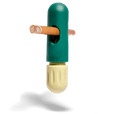
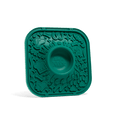
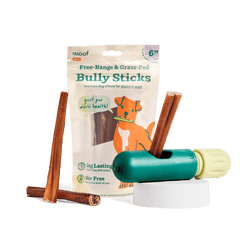
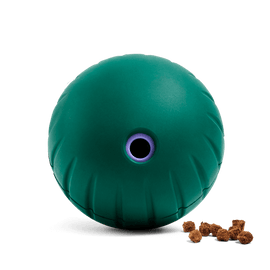
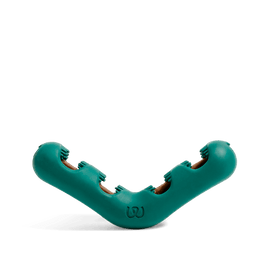
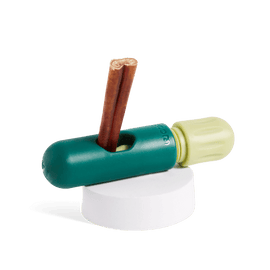
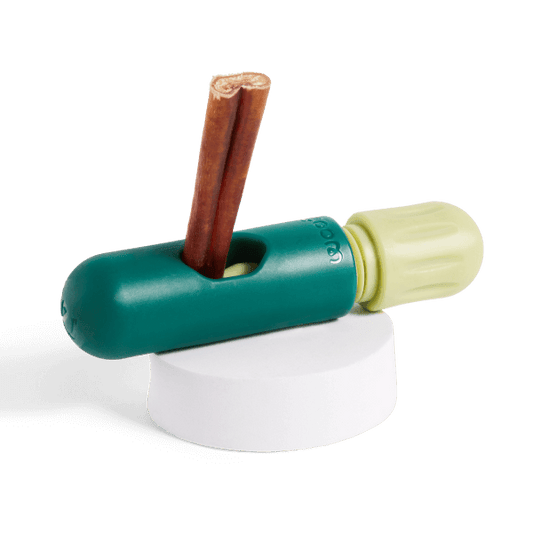
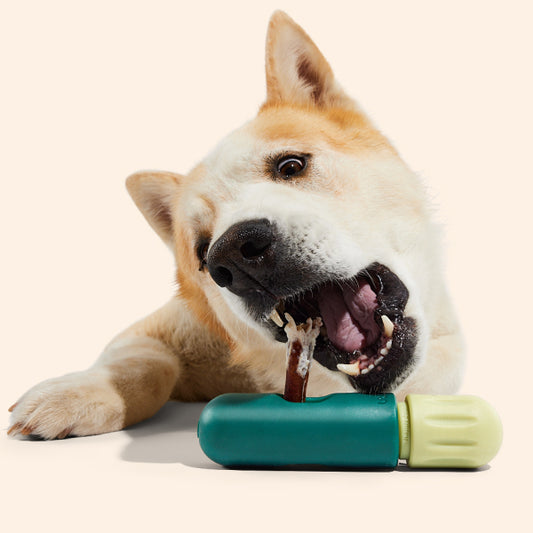
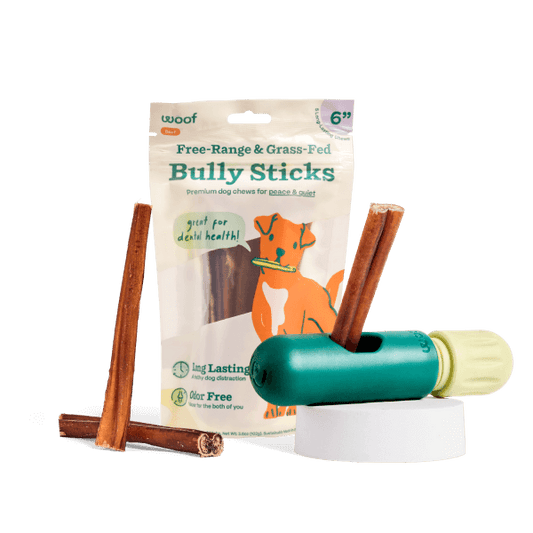
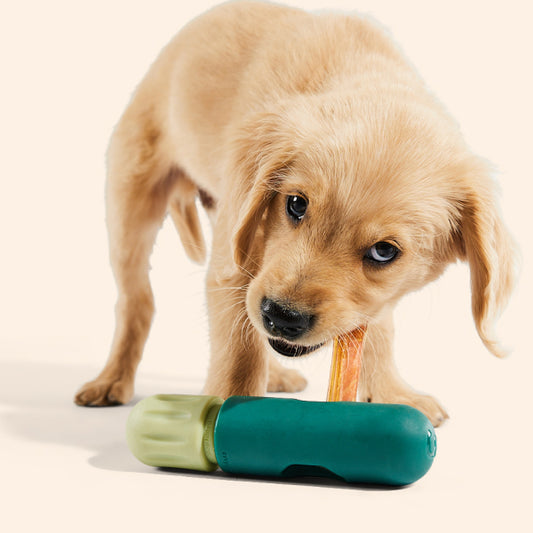
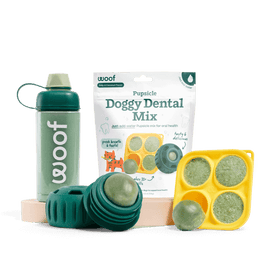
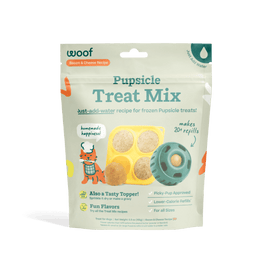
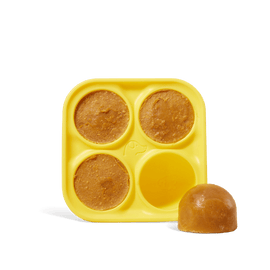
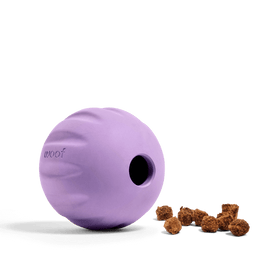
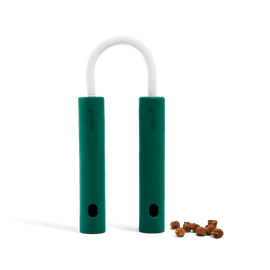
Licking, chewing, sniffing, and puzzle play can all support a calmer routine because they give your dog a job. For a long-lasting distraction, The Pupsicle can be a useful option during renovation downtime because it keeps many dogs engaged with treat play instead of fixating on every sound. For dogs who relax through licking, the FlipMat can support a soothing lick-and-slow-feed routine when your dog is supervised in their safe zone.
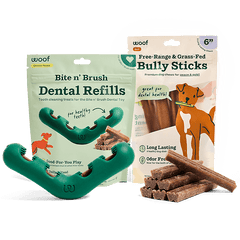
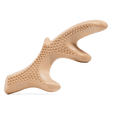
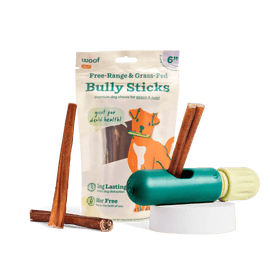
Match the activity to your dog's style. A gentle senior may enjoy a softer licking activity. A young, busy dog may need a puzzle, a walk, and then a lick mat. A power chewer may need a safe chew option and closer supervision so they do not redirect stress onto wood, cardboard, cords, or tools.
Protect Your Dog From Renovation Hazards
Calm matters, but safety comes first. Renovation zones can include nails, dust, adhesive, paint, sharp tools, exposed wires, loose flooring, ladders, insulation, and open exterior doors. Even a calm dog should not wander through active work areas.
Use baby gates, closed doors, crates, or exercise pens to create clear boundaries. Ask workers to keep gates and doors closed, and consider adding a sign if your dog is an escape risk. If the project involves heavy fumes, strong dust, floor refinishing, pest treatment, or anything your contractor says requires ventilation or vacancy, ask your veterinarian about the safest plan for your dog and arrange for them to stay elsewhere if needed.
- Your dog has water, a comfortable resting spot, and a potty break.
- Doors, gates, and windows are secure.
- Trash, tools, cords, paint, and debris are out of reach.
- Your dog has an approved chew, puzzle, or licking activity for supervised downtime.
- Workers know whether your dog is allowed to interact with them.
Know When Your Dog Needs More Help
Mild stress may look like extra alertness, occasional barking, or wanting to stay close to you. Bigger stress signals can include shaking, heavy panting when it is not hot, drooling, hiding, frantic barking, destructive chewing, accidents in the house, loss of appetite, vomiting, diarrhea, or attempts to escape. If these signs are intense, sudden, or ongoing, contact your veterinarian or a qualified trainer for guidance.
Some dogs simply cannot relax during major construction, and that is not a failure. Daycare, a familiar friend's house, a pet sitter, or a quiet room in another part of the home may be kinder than asking them to tolerate hours of demolition. This is especially true for dogs with noise sensitivity, separation stress, medical issues, senior mobility challenges, or a history of panic around strangers.
Practice Calm Transitions After Workers Leave
Once the workday ends, give your dog a reset before letting them inspect everything. Take a short walk, play a gentle game, or do a few easy training cues like sit, touch, and find it. Then allow supervised sniffing in safe areas only after tools and debris are cleaned up.
Try not to turn every evening into a high-energy make-up session. Many dogs need decompression after a loud day, not more chaos. A predictable dinner, a bathroom break, calm enrichment, and a steady bedtime routine can help your dog understand that even though the house is changing, their life still has familiar patterns.
Dog Parent FAQs
Should I let my dog meet the contractors?
Only if your dog is comfortable with strangers and the workers are comfortable too. Keep greetings calm, brief, and supervised. If your dog barks, hides, jumps, or seems tense, it is better to create distance instead of forcing an introduction.
What should I do if my dog barks at renovation noise all day?
Start by increasing distance from the noise, adding white noise, offering enrichment before the barking starts, and giving your dog a potty and exercise break before work begins. If barking becomes frantic or nonstop, ask your veterinarian or a qualified trainer for help.
Can I leave my dog home during renovations?
It depends on your dog, the project, and the safety risks. Quiet painting in one room may be manageable with a secure setup. Demolition, fumes, open doors, loud tools, or anxious behavior may mean your dog needs daycare, a sitter, or another calm place to stay.
How can I help a puppy during home renovations?
Puppies need extra management because they may chew unsafe items, slip through barriers, or become overstimulated by new people and sounds. Use a secure puppy-safe area, short enrichment sessions, frequent potty breaks, and supervised exposure rather than letting them roam.
The Bottom Line on Renovation Calm
Home projects are temporary, but your dog's sense of safety matters every day. A calm renovation plan is built around routine, distance, enrichment, supervision, and knowing when your dog needs a quieter option. With a little preparation, your dog can get through the mess, noise, and schedule changes with more comfort and a lot less stress.


