






































































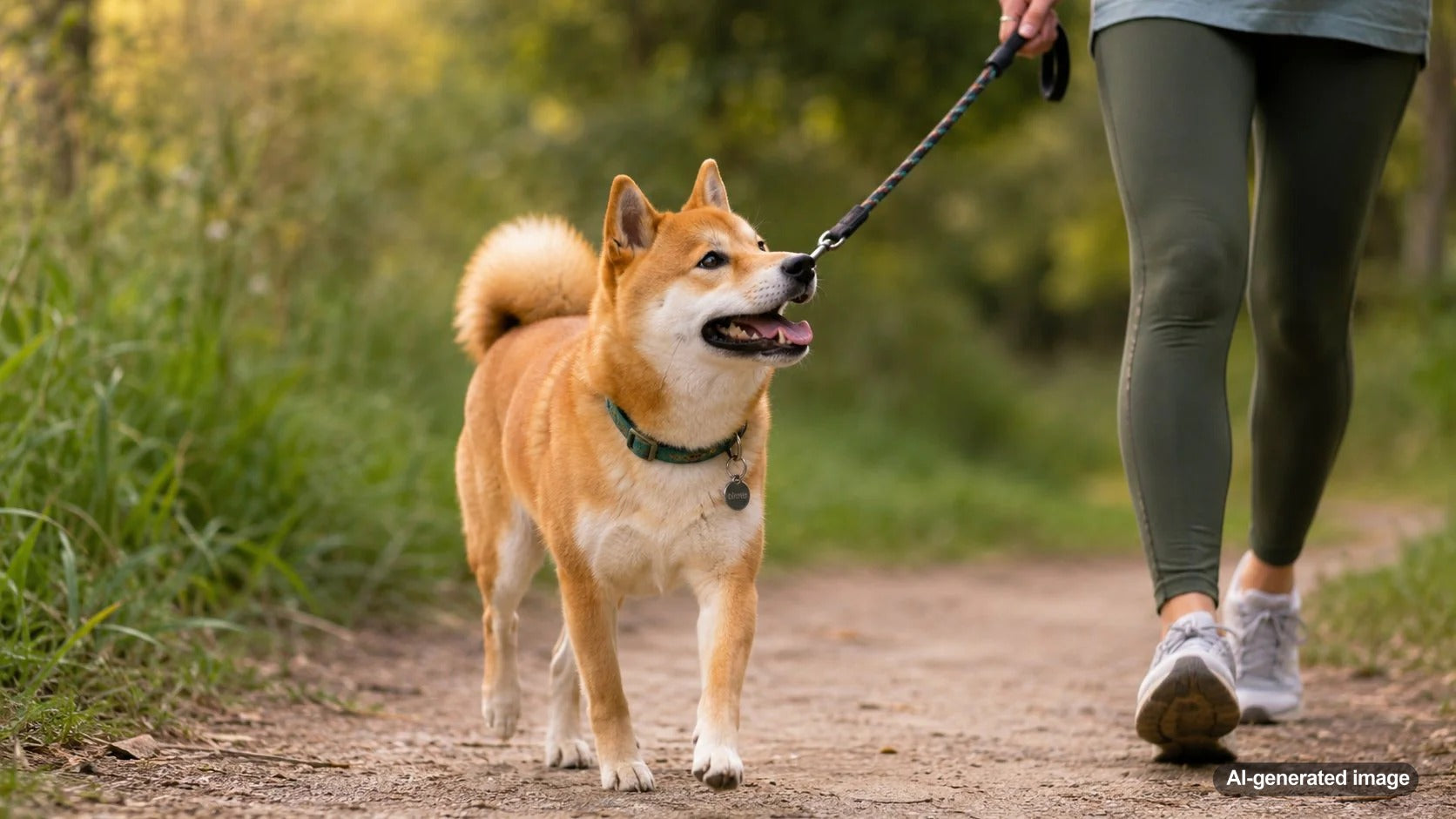
Shiba Inus are famous for acting like they have reviewed your request and decided whether it meets their standards. That does not mean they are impossible to engage, stubborn in a hopeless way, or too independent to enjoy training. It usually means they need enrichment that feels interesting, rewarding, and worth choosing, not endless pleading from the human side of the room.
How to Keep a Shiba Inu Interested Without Begging for Cooperation starts with one big shift: stop trying to convince your Shiba to care, and start building small routines that make curiosity do the work. Shibas often respond best to novelty, choice, clear boundaries, and short sessions that end before they mentally check out.
Quick Answer
To keep a Shiba Inu interested, use short enrichment sessions, rotate rewards, give controlled choices, and build cooperation into games instead of long obedience drills. Try scent games, puzzle toys, food-stuffed enrichment, short trick sessions, calm licking routines, and walks with purposeful sniff breaks. Keep it upbeat, keep it brief, and stop while your dog still wants more.
Why Shibas Lose Interest So Fast
A Shiba Inu is not usually the dog who says, "Sure, whatever you want," just because you asked nicely. Many Shibas are alert, clever, independent, and selective about what earns their attention. They were originally developed as hunting dogs, so curiosity, environmental awareness, and quick decision-making are very much part of the package.
In real life, that can look like a dog who knows the cue but stares at you first, walks away from a toy after two minutes, ignores basic treats in a distracting place, or suddenly becomes fascinated by a dust bunny when you are trying to practice recall. The mistake many owners make is assuming the dog is being difficult on purpose. Often, the activity is simply too repetitive, too low-value, too long, or too human-centered.
Make Cooperation Feel Like a Choice
Shibas often do better when they feel some control over the game. That does not mean letting them run the house. It means offering structured choices inside clear rules.
Instead of asking for a long sit-stay session, try asking for one easy behavior, rewarding it, then releasing your dog to sniff, chase a tossed treat, or investigate a puzzle. Instead of repeating "come" five times, practice in a low-distraction space, reward generously, and end the session quickly. Instead of pushing a toy your Shiba has already rejected, rotate it out and bring it back later so it feels fresh again.
Helpful tip: For many Shibas, the best training session is not 20 minutes long. It is two minutes of focus, one clear win, and a satisfying reward before they decide the meeting is over.
Use Novelty Without Creating Chaos
A Shiba Inu may get bored with the same routine, but constant excitement can create a dog who expects entertainment every second. The sweet spot is planned variety. Keep the structure familiar while changing one detail at a time.
For example, breakfast can always include a short enrichment activity, but Monday might be a puzzle ball, Tuesday might be a sniff-and-find game, Wednesday might be a frozen treat toy, and Thursday might be a slow feeder or lick mat. Your dog learns the rhythm, but the activity still feels worth investigating.
Scatter a few treats in a towel fold for easy scent work.
Use a rolling slow feeder or treat puzzle for breakfast.
Offer a calm licking session after a walk.
Practice three cues, then reward with a food-stuffed toy.
Reward the Investigation, Not Just the Obedience
If your Shiba sniffs a new toy, paws a puzzle, checks in with you on a walk, or chooses to stay near you instead of drifting away, reward that. Interest is a behavior you can reinforce.
This matters because some Shibas are not naturally eager to repeat formal commands over and over. They may be much more engaged when the activity includes problem-solving. The reward does not always need to be a big treat. It can be a tiny bite, a tossed reward to chase, access to a sniffing spot, a quick tug moment, or opening the next part of a puzzle.
For food-motivated Shibas, small training treats like Love Nuggets can be useful because they make it easier to reward quick moments of cooperation without turning training into a full meal. Use treats thoughtfully, adjust portions as needed, and check with your veterinarian if your dog has dietary restrictions.
Try Enrichment That Matches the Shiba Brain
The best enrichment for a Shiba is not always the flashiest toy. It is the activity that gives them a job, a little mystery, and a satisfying payoff.
Shiba-friendly enrichment ideas to try:
- Scent searches: Hide a few treats around one room and release your dog to find them.
- Food puzzles: Use toys that make your dog nudge, roll, lick, sniff, or problem-solve.
- Short trick chains: Ask for one or two behaviors, reward, then release before boredom hits.
- Sniff walks: Let part of the walk be about investigating smells, not marching forward.
- Calm licking: Use licking as a decompression activity after excitement, grooming, visitors, or travel.
For Shibas who like to work for food but quit when the puzzle gets too hard, Walkabout can turn mealtime into a rolling slow-feeder game with an adjustable dial for kibble or treat size. Start easy so your dog gets a win, then increase the challenge only when they understand the game.
Use Licking and Chewing to Help Them Settle
Not every Shiba enrichment routine needs to be active. Some of the most useful activities are the ones that help your dog shift from alert and opinionated to calm and occupied.
Licking can be a helpful part of a settling routine because it gives your dog something repetitive and focused to do. Chewing can also support appropriate decompression, especially for dogs who get mouthy, restless, or destructive when bored. Always supervise chew time, choose products that fit your dog's size and chewing style, and remove anything that becomes small enough to swallow or damaged in an unsafe way.
If your Shiba tends to get wound up after walks, visitors, or training, The Pupsicle can be a useful way to offer longer-lasting treat play without asking for more cooperation. It gives your dog a job that does not require negotiation: lick, work, enjoy, repeat.
Common Mistakes That Make Shibas Tune Out
One of the biggest mistakes is repeating cues when your dog has already disengaged. If your Shiba ignores "sit" three times, the fourth repetition usually teaches them that the cue is background noise. Reset instead. Make the task easier, move to a quieter space, use a better reward, or ask for something your dog can succeed at.
Another common mistake is making every activity too predictable. If the same treat comes from the same hand in the same room after the same cue, many Shibas will decide they already know the plot. Add small changes: reward placement, toy rotation, scent games, short chase rewards, or a new location.
It is also easy to accidentally beg. Leaning over your dog, waving the treat, repeating their name, and negotiating for attention can make cooperation feel optional in the wrong way. Be clear, cheerful, and brief. Ask once, help your dog succeed, reward the effort, and move on.
When Lack of Interest Is Not Just Personality
A Shiba who has always been selective is different from a dog who suddenly loses interest in food, play, walks, or people. Sudden behavior changes can be connected to pain, dental discomfort, digestive upset, stress, changes at home, or other health concerns.
If your dog is not eating normally, seems withdrawn, drools excessively, limps, vomits, has diarrhea, snaps when touched, or shows a major change in energy or behavior, contact your veterinarian. If your Shiba shows fear, reactivity, guarding, or escalating frustration, a qualified positive-reinforcement trainer or veterinary behavior professional can help you build a safer plan.
Dog Parent FAQs
Are Shiba Inus stubborn or just independent?
Many Shibas are independent and selective, which can look like stubbornness. They often cooperate better when sessions are short, rewards are meaningful, and the activity gives them a reason to participate.
How long should enrichment last for a Shiba Inu?
Start with 3 to 10 minutes, depending on your dog's age, attention span, and frustration level. End before your Shiba quits so the routine stays fun.
What if my Shiba ignores toys?
Try changing the type of reward, difficulty level, texture, movement, or timing. Some Shibas prefer food puzzles, scent games, sniff walks, or licking routines over classic fetch or squeaky toys.
Can enrichment replace exercise?
No. Enrichment can support mental stimulation, but Shibas still need appropriate physical activity, outdoor time, and daily interaction. The right balance depends on your dog's age, health, and energy level.
The Bottom Line
Keeping a Shiba Inu interested is less about begging for cooperation and more about designing moments your dog actually wants to join. Keep sessions short. Rotate the challenge. Reward curiosity. Use sniffing, licking, chewing, puzzles, and movement in a way that respects your dog's independent brain.
When enrichment feels like a smart little mission instead of a lecture, your Shiba does not have to be convinced nearly as much. They get to investigate, solve, choose, and succeed, which is exactly the kind of cooperation many Shibas are willing to offer.


