






































































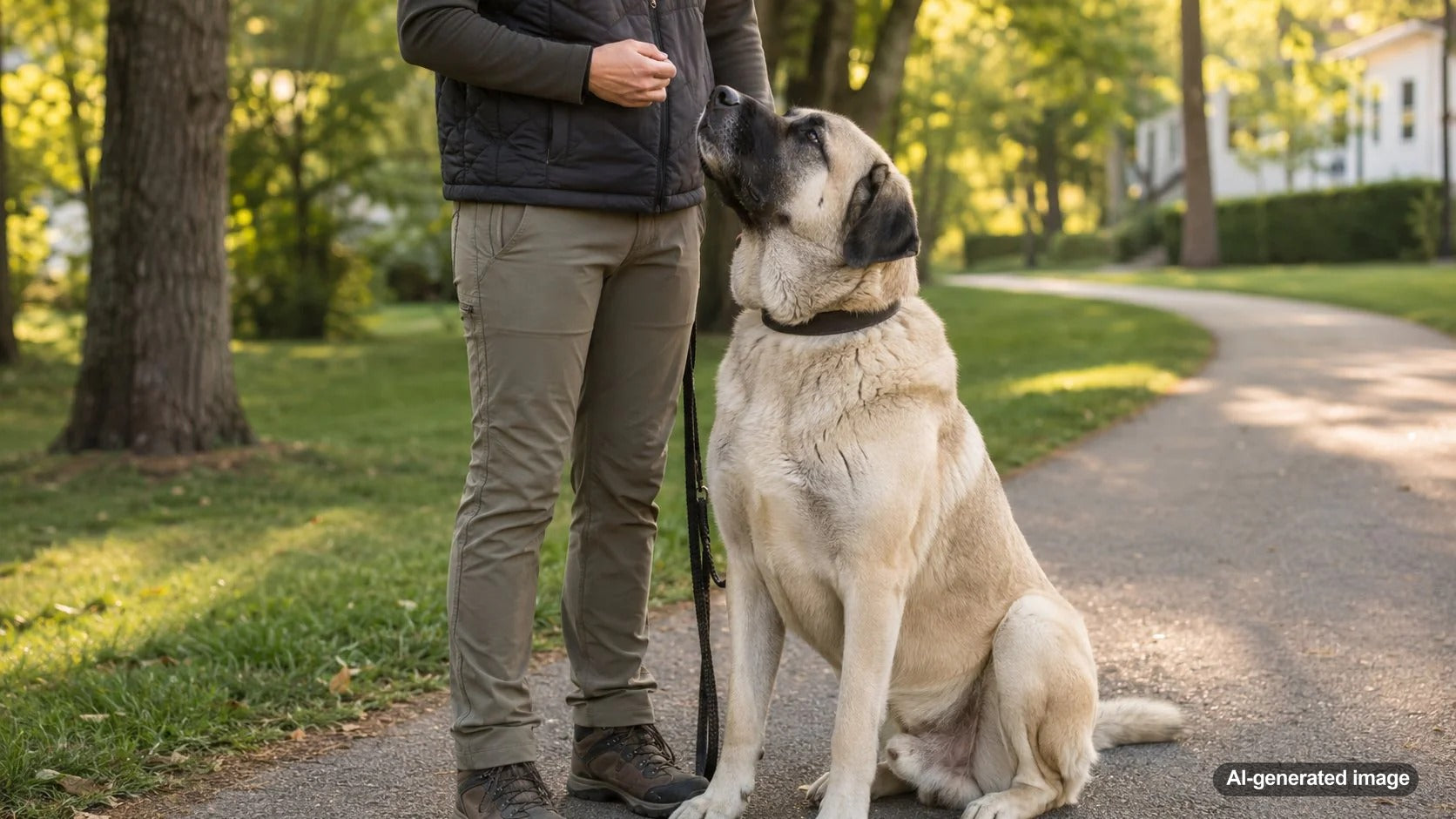
Guardian breeds are not usually looking for nonstop entertainment. Many Great Pyrenees, Anatolian Shepherds, Maremmas, Akbash Dogs, Kuvasz, and similar guardian-type dogs were bred to observe, assess, patrol, and make calm decisions rather than chase every ball until they flop. That is exactly why the best answer to How to Keep a Guardian Breed Mentally Engaged Without Overstimulating Them is not more noise, more speed, or more chaos. It is thoughtful enrichment that lets them use their brain while still feeling steady, safe, and in control.
For many dog parents, the tricky part is reading the difference between a bored guardian breed and an overstimulated one. A bored dog may dig, bark at every fence sound, chew household items, pace, or invent jobs you never assigned. An overstimulated dog may become jumpy, mouthy, unable to settle, hypervigilant at windows, or suddenly reactive after too many intense games, visitors, errands, or training repetitions.
Quick answer: Keep a guardian breed mentally engaged with low-arousal activities like sniffing, calm chewing, food puzzles, gentle problem-solving, decompression walks, short training sessions, and predictable routines. Avoid stacking too many exciting activities back-to-back. The goal is not to exhaust them. The goal is to satisfy their need to think, observe, chew, lick, search, and make choices without pushing them into a frantic state.
Why Guardian Breeds Need a Different Kind of Enrichment
Guardian breeds often have a watchful, independent, environment-focused temperament. That does not mean they do not need enrichment. It means their favorite kind of enrichment may look different from a sport dog, herding breed, or retriever. A guardian breed may find deep satisfaction in quietly surveying the yard, sniffing a new walking route, working through a slow feeder, enjoying a safe chew, or learning a calm stationing cue near the family.
What many owners misunderstand is that mental engagement does not always need to look exciting. In fact, for guardian breeds, the most useful enrichment often lowers arousal instead of raising it. A 10-minute scent game, a lick session after a busy walk, or a calm chew in a familiar spot can be more helpful than an hour of high-speed fetch that leaves the dog wired.
Start With Their Nervous System, Not Their Energy Level
Before adding more activities, look at your dog's recovery. Can they relax after play? Do they settle after a walk? Are they scanning windows for hours after a loud delivery truck? Do they bark more after busy days? A guardian breed that looks like it needs more exercise may actually need less intensity and more predictable decompression.
Think of enrichment as a volume dial. Low-volume activities include sniffing, licking, chewing, easy treat scatters, slow feeding, and calm exploration. Medium-volume activities include simple training games, puzzle toys, and hide-and-seek with treats. High-volume activities include rowdy play, busy dog parks, repeated doorbell practice, intense tug, fast fetch, and crowded outings. Guardian breeds often do best when most daily enrichment sits in the low-to-medium range.
Helpful tip: After any exciting event, give your dog a quiet recovery activity before expecting them to settle on their own. Licking, chewing, or sniffing can support a calmer transition from alert mode to rest mode.
Use Calm Food Enrichment Instead of Frenzy Games
Food enrichment is one of the easiest ways to engage a guardian breed without turning the room into a circus. Instead of tossing treats rapidly or asking for high-energy tricks, slow the experience down. Scatter a few treats in grass so your dog has to sniff. Put part of dinner in a puzzle feeder. Use a lick mat during grooming, after visitors leave, or while the household is winding down.
For dogs who enjoy licking, Woof's FlipMat can be a useful tool because it works as both a lick mat and slow feeder with two challenge levels. That makes it easy to offer a calming, brain-engaging activity without asking a guardian breed to perform over and over. Keep the first few sessions simple, especially for puppies, seniors, or dogs who get frustrated easily.
If your dog gets pushy, barks at the toy, or starts pawing wildly, the setup may be too hard or too exciting. Make it easier, use fewer distractions, and end while your dog is still successful. Calm enrichment should leave your dog looking softer, slower, and more settled, not frantic.
Build a Guardian-Friendly Daily Routine
Guardian breeds tend to appreciate predictability. They do not need every day to be identical, but they often thrive when they know what job comes next. A simple rhythm can reduce demand barking, window patrol frustration, and attention-seeking behavior because your dog learns that their needs will be met in a steady way.
Short sniff walk or yard check, followed by breakfast in a slow feeder or easy puzzle.
Quiet chew time, a stuffed enrichment toy, or a calm training session with two or three familiar cues.
Decompression walk, gentle brushing, or a lick session to help shift from alert mode to rest.
Low-light, low-noise routine with a potty break and a predictable settling cue.
For longer-lasting distraction, especially when your dog needs help settling after a busy stretch, The Pupsicle can be part of a calm enrichment routine. It gives dogs something to work on without requiring constant human direction, which can be especially helpful for independent guardian breeds who enjoy having their own quiet task.
Choose Brain Games That Reward Thoughtfulness
The best brain games for guardian breeds encourage patience, scenting, and problem-solving. Try a simple treat search around one room, a towel roll with a few treats tucked inside, a cardboard box filled with safe crumpled paper and hidden snacks, or a cue practice session focused on calm skills like place, wait, touch, and find it.
Keep sessions short. Five focused minutes can be plenty, especially for young dogs, adolescent dogs, or dogs who are still learning how to regulate themselves. Guardian puppies may need extra-simple games that build confidence without creating frustration. Seniors may prefer low-impact scent games, softer chewing options, and easier puzzles that do not require awkward bending or pawing.
Know the Signs You Are Overdoing It
Overstimulation can sneak up on well-meaning dog parents. You may plan a long walk, then a training session, then a playdate, then a puzzle toy, only to wonder why your dog is barking at every sound by dinnertime. Guardian breeds are often sensitive to environmental changes, so too much novelty can pile up quickly.
Signs to slow down: Watch for frantic pacing, repeated barking, hard staring out windows, inability to take treats gently, jumpy body language, sudden mouthiness, destructive chewing after activity, or difficulty resting. If these behaviors are new, severe, or paired with pain, appetite changes, digestive upset, excessive drooling, limping, or major behavior changes, check with your veterinarian or a qualified trainer.
A helpful rule is to follow exciting activities with quiet ones. After guests visit, offer a lick mat. After a stimulating walk, scatter a few treats in the yard and then encourage rest. After training, give your dog a simple chew or settle cue instead of launching into another game.
Common Mistakes With Guardian Breed Enrichment
One common mistake is assuming a big dog needs bigger excitement. Size does not equal a need for chaos. Many guardian breeds are large, powerful, and capable, but they may still prefer slow, thoughtful enrichment over intense repetition.
Another mistake is using too much obedience as the only form of mental stimulation. Training is valuable, but guardian breeds can become frustrated by nonstop commands. Balance cue practice with opportunities for choice, sniffing, chewing, licking, and calm observation.
A third mistake is ignoring the environment. For a guardian breed, the front window, fence line, hallway, or apartment door can be mentally exhausting. If your dog spends all day monitoring triggers, they may not need more stimulation. They may need visual barriers, white noise, calmer routines, and structured rest.
Dog Parent FAQs
How much mental stimulation does a guardian breed need each day?
Most guardian breeds benefit from several short enrichment moments spread through the day rather than one huge session. Think sniffing, chewing, licking, food puzzles, and calm training in small doses.
Is fetch bad for guardian breeds?
Fetch is not automatically bad, but fast repetitive fetch can overstimulate some dogs. If your dog gets frantic, mouthy, or unable to settle afterward, use shorter sessions and balance fetch with slower sniffing or licking activities.
What is the best enrichment for an overstimulated guardian dog?
Start with low-arousal enrichment like sniff walks, treat scatters, licking, safe chewing, and quiet food puzzles. Avoid busy environments or high-speed games until your dog can recover and settle more easily.
Should I use puzzle toys every day?
You can use puzzle toys often, but rotate the difficulty and watch your dog's body language. If a puzzle causes barking, pawing, or frustration, make it easier or switch to a calmer activity.
The Bottom Line on Calm Engagement
Keeping a guardian breed mentally engaged is less about wearing them out and more about giving their instincts a healthy place to land. Let them sniff. Let them observe. Let them chew and lick safely. Give them simple jobs, predictable routines, and quiet wins.
When enrichment leaves your dog calmer, more satisfied, and better able to rest, you are on the right track. When it leaves them wired, loud, and unable to switch off, scale back the intensity. Your guardian breed does not need constant entertainment. They need thoughtful engagement that respects who they are.


