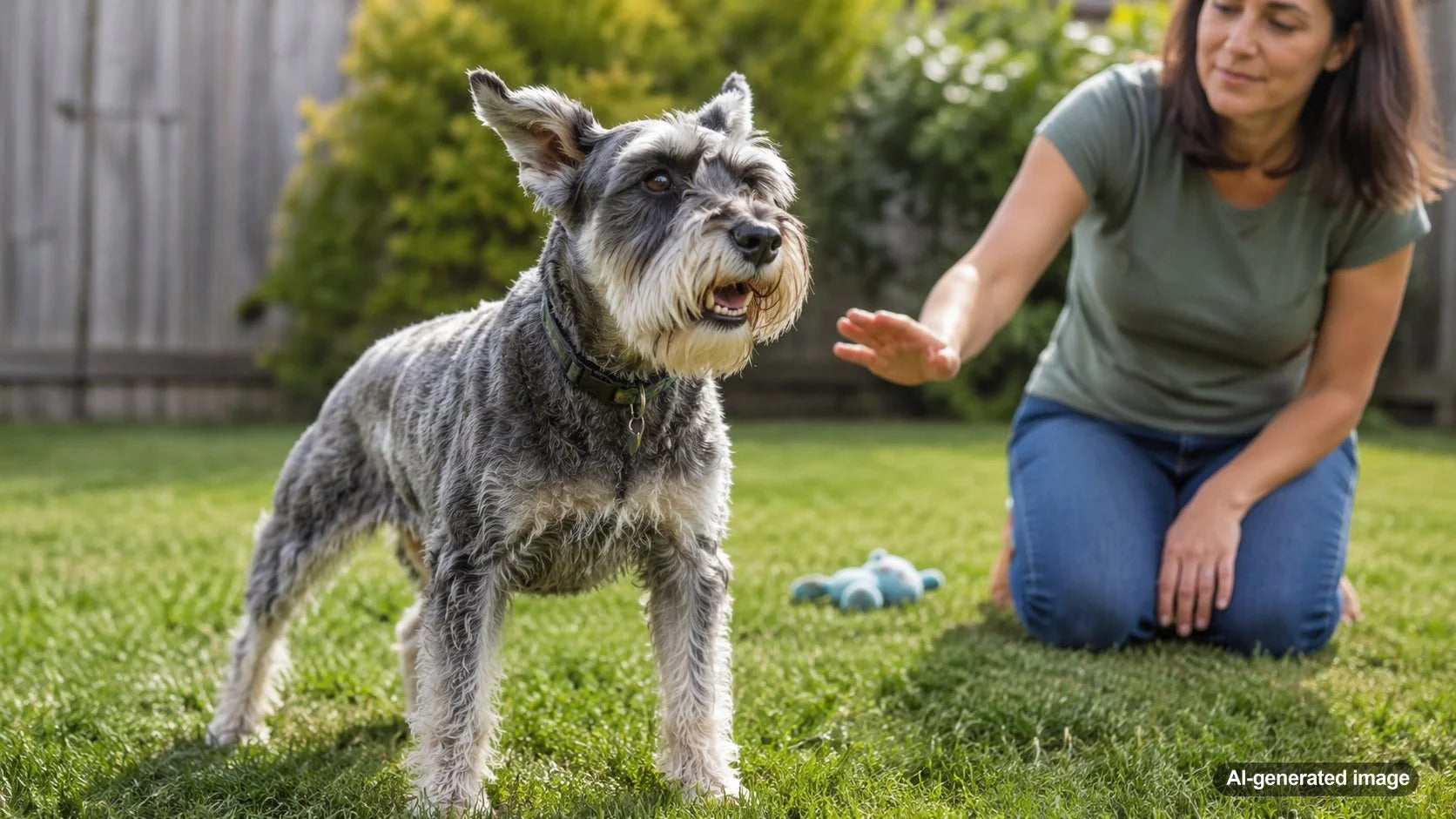
An overstimulated dog is not trying to be difficult. They may be overwhelmed, too excited to think clearly, or so flooded by sights, sounds, smells, movement, and attention that their body cannot settle down on its own. Learning how to help a dog that gets overstimulated can make daily life calmer for both of you, whether your pup loses it after visitors arrive, turns wild after playtime, barks at every sound, or cannot relax after a busy walk.
The goal is not to shut your dog down or punish excitement. The goal is to notice the early signs, reduce the intensity of the moment, and teach your dog a repeatable path back to calm.
What Overstimulation Looks Like in Dogs
Overstimulation can look different from dog to dog. Some dogs get bouncy, mouthy, barky, or zoomy. Others pull hard on leash, jump on guests, hump pillows, grab toys frantically, or suddenly forget cues they normally know. A dog may also pant, pace, whine, spin, shake off, lick their lips, avoid touch, or become extra clingy.
One common misunderstanding is that an overstimulated dog simply needs more exercise. Sometimes movement helps, but more running, more fetch, or more excitement can also push an already overloaded dog higher. Many dogs need a shift from high-energy activity to lower-intensity decompression: sniffing, licking, chewing, resting, or quietly watching the world from a safe distance.
Why Dogs Get Overstimulated
Dogs process the world through their senses, and some days come with a lot to process. Guests arriving, kids running, another dog barking, a new park, a loud delivery truck, a long car ride, or a high-energy play session can all stack up. Puppies may get overstimulated because they are still learning self-control. Adolescent dogs may have big feelings and big energy. Senior dogs may become overwhelmed more quickly if they are tired, sore, or sensitive to noise.
Overstimulation can also happen when a dog is overtired. Just like a toddler who missed a nap, a dog who has been busy all day may act wilder instead of calmer. That is why rest is not a reward your dog earns after behaving perfectly. Rest is part of the routine that helps behavior improve.
What to Do in the Moment
When your dog is already over the top, keep your own energy low. Use a quiet voice, soften your body language, and avoid fast grabbing or repeated commands. If your dog is too excited to respond, saying the cue louder usually adds more noise to an already noisy moment.
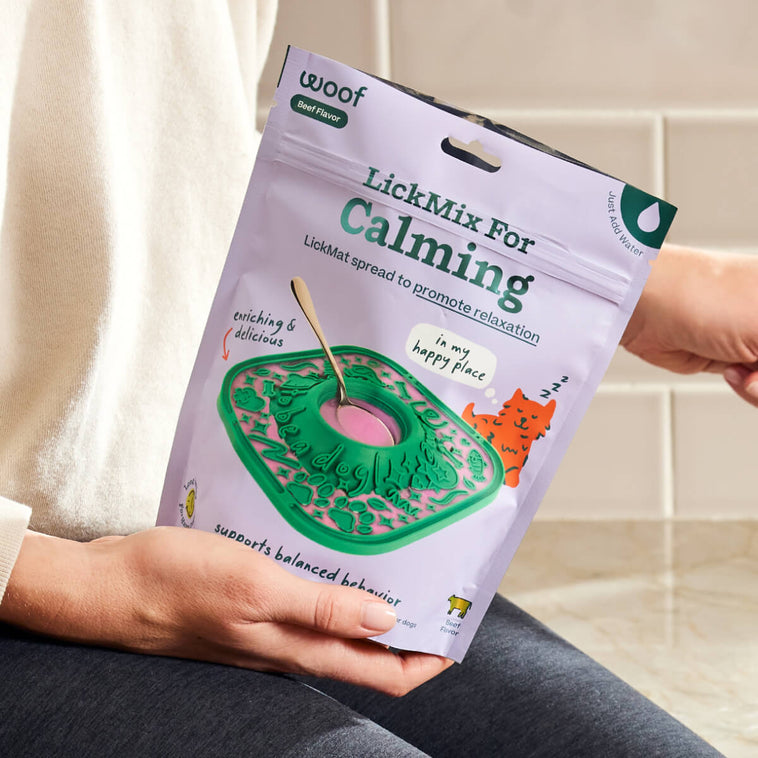
First, create distance from the trigger. Move away from the busy sidewalk, ask guests to pause their greetings, step into another room, or guide your dog to a quiet corner. Then offer something simple and calming. Many dogs settle more easily with a lick-based activity because licking may encourage slower, repetitive behavior. A tool like FlipMat can be useful here because it combines licking and slow-feeding style enrichment in a focused, low-pressure way.
Build a Calm-Down Routine Your Dog Can Predict
Dogs do well with patterns. A calm-down routine works best when it is boring in the best possible way: same spot, same tone, same activity, same result. For example, after an exciting walk, you might come inside, offer water, lead your dog to their mat, give them a lick or chew activity, and keep the house quiet for 15 to 20 minutes.
Practice this when your dog is only mildly excited, not just during full chaos. Reward relaxed choices like lying down, taking a breath, disengaging from a window, or choosing a toy instead of jumping. If you use treats, place the reward low on the floor between your dog's paws instead of delivering it with lots of eye contact and excitement. That keeps the reward from turning into another party.
Use Enrichment Without Adding More Chaos
Enrichment is not just about making dogs busy. The type of enrichment matters. A fast game of chase may be perfect for one moment and too much for another. When your dog is overstimulated, choose slower activities: licking, sniffing, gentle chewing, scatter feeding, food puzzles with easy settings, or a quiet frozen treat session.
For dogs who calm through licking and gentle focus, Calming LickMix can be part of a soothing lick mat routine. It should not be treated like a cure for anxiety or a replacement for training or veterinary care, but it can support a predictable calm-time habit for many dogs.
- Move your dog away from the trigger before asking for behavior.
- Lower the volume, lights, movement, and attention around them.
- Offer a calming activity such as licking, sniffing, or gentle chewing.
- Reward calm choices quietly instead of restarting excitement.
- Give your dog real rest after a big outing or busy social moment.
Common Mistakes That Can Make Overstimulation Worse
One common mistake is scolding a dog for being overwhelmed. A firm interruption may be needed for safety, but punishment can add stress and make the dog even less able to think. Another mistake is forcing greetings. If your dog loses control when visitors arrive, have guests ignore them at first. Calm attention can come later, once your dog is able to keep four paws on the floor.
It can also backfire to use high-value treats in a highly animated way. A treat tossed calmly on the floor may help. A squeaky voice, waving hands, and rapid-fire feeding may turn the moment into a game. For some dogs, even petting can be too much when they are overloaded, so watch your dog's body language instead of assuming touch is always calming.
How to Prevent Overstimulation Before It Starts
Prevention starts with knowing your dog's patterns. Does your dog unravel after daycare? After fetch? When the doorbell rings? Around kids? At the vet? After skipping a nap? Once you know the setup, you can plan ahead.
Before guests arrive, give your dog a bathroom break and a calming enrichment activity in a separate space. Before a busy walk, choose a quieter route or add sniff breaks instead of power walking the whole time. After intense play, transition into a slower activity instead of stopping suddenly while your dog's body is still buzzing. For puppies, schedule more rest than you think they need. For senior dogs, keep outings shorter and watch for signs of fatigue or discomfort.
When to Ask for Extra Help
Occasional overstimulation is normal, especially for young, social, energetic, or sensitive dogs. But if your dog is frequently unable to settle, reacts intensely to everyday sounds, snaps, bites, panics, cannot sleep, suddenly changes behavior, or seems painful or unwell, check with your veterinarian. A qualified trainer or veterinary behavior professional can also help you build a plan that fits your dog's triggers, age, breed tendencies, and home life.
Medical issues, pain, anxiety, hearing or vision changes, and digestive discomfort can all affect behavior. You do not have to figure it out alone, and getting support early can make the process easier for both you and your dog.
Dog Parent FAQs
How long does it take an overstimulated dog to calm down?
It depends on the dog and the situation. Some dogs settle in a few minutes once the trigger is removed, while others need a longer quiet period, especially after a big outing or stressful event.
Should I exercise my dog more if they get overstimulated?
Not always. Some dogs need more appropriate exercise, but others need better rest, calmer enrichment, or shorter sessions with breaks. More intensity can sometimes make overstimulation worse.
Is licking good for an overstimulated dog?
Licking can be a helpful calming activity for many dogs because it is repetitive, focused, and slower than high-energy play. Always supervise your dog and choose products and treats that fit their size, chewing style, and dietary needs.
Can puppies grow out of overstimulation?
Puppies often improve as they mature, but they still need help learning how to settle. Consistent naps, calm routines, gentle training, and age-appropriate enrichment can make a big difference.
The Bottom Line on Helping an Overstimulated Dog
Helping an overstimulated dog is about guiding, not overpowering. Notice the early signs, lower the intensity, give your dog a predictable reset, and practice calm when life is easy so they have the skill when life gets exciting. With patience, structure, and the right kind of enrichment, many dogs can learn that calm is not boring. Calm is safe, rewarding, and part of a happy daily rhythm.