Guests at the door can turn even a sweet, well-loved dog into a furry confetti cannon. One second your dog is lounging peacefully, and the next they are barking, spinning, jumping, mouthing sleeves, grabbing shoes, or trying to personally inspect every visitor's face. How to Help a Dog That Gets Overexcited by Guests starts with understanding that most dogs are not trying to be rude. They are usually overwhelmed by excitement, novelty, attention, and the big energy shift that happens when new people enter their space.
The goal is not to crush your dog's personality. It is to teach a calmer greeting routine that gives your dog something specific to do before their excitement takes over. With a little planning, smart management, and repeatable practice, many dogs can learn that guests are still fun, but they do not require a full-body launch.
Quick answer: Help an overexcited dog by managing the doorway, rewarding calm behavior, practicing greetings before real guests arrive, and giving your dog an acceptable outlet like a chew, puzzle, or licking activity. Start before the doorbell rings, keep greetings low-key, and do not let guests reward jumping with petting or squealing.
Why Dogs Get So Worked Up When Guests Arrive
For dogs, visitors bring a whole parade of triggers: the doorbell, knocking, new scents, movement, voices, eye contact, and the chance for attention. Some dogs jump because they want to get closer to faces. Some bark because they are unsure. Some grab toys or pillows because they need somewhere to put their excitement. Puppies and adolescent dogs may struggle simply because impulse control is still under construction.
Size matters too. A 12-pound dog hopping at ankles may seem cute until the habit becomes frantic. A 70-pound dog doing the same thing can knock over a child, scratch an older guest, or make visitors nervous. The training goal is the same for both: four paws on the floor, a calm body, and a greeting that everyone can enjoy.
Start Before the Door Opens
The biggest mistake many dog parents make is waiting until the guest is already inside. By then, your dog may be too excited to think. Instead, set up the environment before the greeting happens.
Before guests arrive, try this setup:
- Take your dog for a sniffy walk or short play session earlier in the day.
- Keep a leash near the door so you can guide your dog without grabbing their collar.
- Put high-value treats in an easy-to-reach spot.
- Choose a station, such as a bed, mat, crate, gated area, or nearby room.
- Tell guests the rule before they enter: no petting until the dog is calmer.
This is not about isolating your dog forever. It is about preventing the first 60 seconds from becoming a rehearsal of the exact behavior you are trying to change.
Teach a Job Instead of Just Saying No
A dog who hears "off," "stop," or "no jumping" may still have no idea what to do with all that energy. Give them a job instead. Common options include sit, go to mat, find it, hold a toy, or settle behind a gate with enrichment.
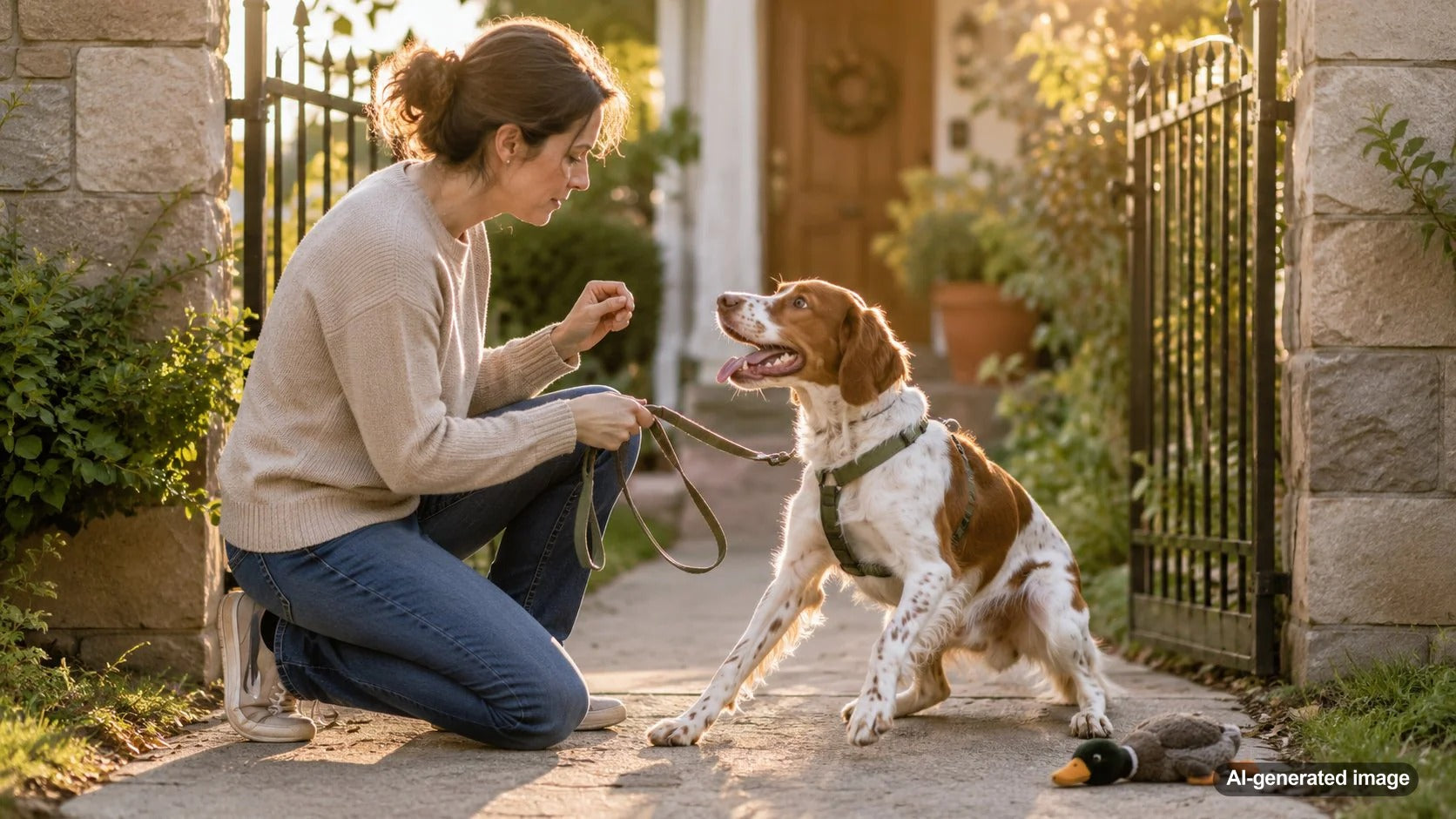
Practice the job when no guests are present. Ring the doorbell on your phone, knock softly on the wall, walk to the door, reward your dog for staying on their mat, then release them. Slowly make the practice more realistic. If your dog cannot stay calm when the trigger is easy, the real guest version is probably too hard.
For dogs who get mouthy or jumpy from excitement, giving them something appropriate to do with their mouth can help. A long-lasting activity like The Pupsicle can be useful when guests arrive because it gives your dog a focused, rewarding task away from the doorway. Use it as part of a routine, not as a bribe after your dog is already bouncing off the walls.
Create a Calm Greeting Routine
A simple routine works better than improvising every time. Keep your voice calm, clip on the leash if needed, and ask your dog for their known behavior before the guest steps in. When the guest enters, they should ignore the dog at first. No baby talk. No waving hands. No leaning over the dog. Those are all excitement fuel.
Reward your dog for small wins: looking at the guest without jumping, keeping four paws down, turning back to you, sitting for one second, or choosing their mat. If your dog jumps, the attention stops. The guest can turn slightly away, and you can calmly guide your dog back to their station. When paws are back down, the chance for greeting can return.
Helpful tip: Calm does not have to mean perfectly still. For some dogs, success might start as "less frantic than usual." Reward progress before expecting polished manners.
Use Distance When Your Dog Cannot Think
If your dog ignores treats, barks nonstop, pulls hard, or cannot respond to cues, they may be too close to the action. Distance is your friend. A baby gate, exercise pen, crate, or separate room can give your dog a chance to observe without being right in the middle of the greeting.
From behind a gate, reward quiet moments, soft body language, or checking in with you. Once the initial guest excitement fades, your dog may be able to come out on leash for a short, structured hello. Some dogs do best meeting guests after everyone is seated. Moving people are more exciting than seated people, so this small change can make a big difference.
Give Excitement a Safe Outlet
Many overexcited dogs are not being disobedient. They are under-enriched, under-practiced, or simply flooded with feelings. Licking, chewing, sniffing, and puzzle work can help channel that energy into something more manageable.
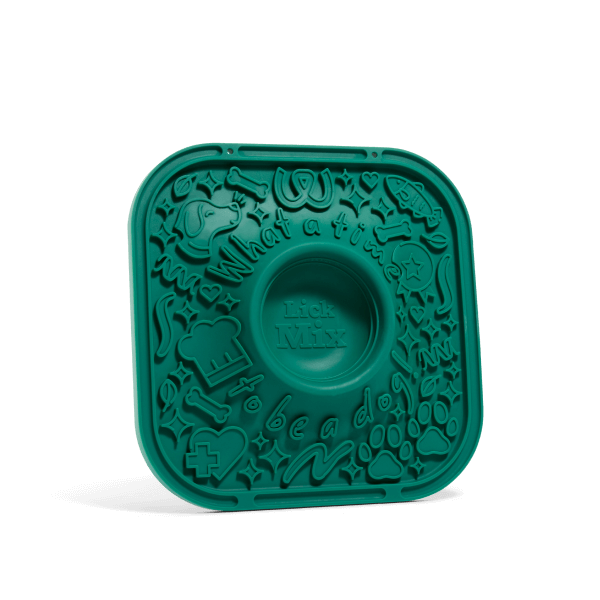
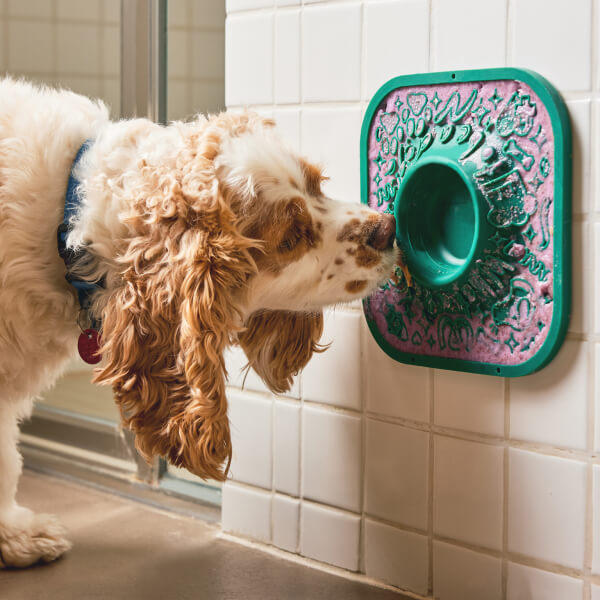
A lick-based activity can be especially handy during the first few minutes of a visit. The The LickMat can support a calmer settling routine by encouraging slower licking and focused enrichment while guests get settled. Supervise your dog, choose treats that fit their diet, and pick the right tool for your dog's size, chewing style, and excitement level.
Common Mistakes That Keep the Chaos Going
One common mistake is letting guests say, "I do not mind!" while they pet a jumping dog. Your dog does not learn that only some people allow jumping. They learn that jumping sometimes works, which makes the habit stronger.
Another mistake is getting loud. Yelling can add more energy to an already exciting moment. Pushing the dog away can also feel like play or attention. Instead, keep reactions boring and make calm behavior the thing that earns access.
Finally, avoid expecting too much too soon. Practice with one calm guest before trying a dinner party. Practice after a walk before trying it when your dog is bursting with energy. Make the easy version repeatable, then build from there.
When to Get Extra Help
If your dog's excitement includes growling, snapping, lunging, biting, intense fear, guarding behavior, or panic, pause the guest greetings and contact a qualified positive-reinforcement trainer or veterinary behavior professional. If the behavior changes suddenly, or your dog seems painful, confused, or unusually reactive, ask your veterinarian for guidance. Training helps many dogs, but safety comes first.
Dog Parent FAQs
Should I let my dog greet guests at the door?
Usually, it is better to move the greeting away from the doorway. Doorways are narrow, exciting, and full of motion. A mat, gate, or leash setup gives your dog more structure.
Is my dog being bad when they jump on guests?
Not necessarily. Many dogs jump because they are excited and want attention. The behavior still needs guidance, but it is often a training and impulse-control issue rather than a dog being "bad."
What should guests do when my dog jumps?
Ask guests to stay calm, avoid petting, turn slightly away, and wait until your dog has four paws on the floor. Then they can offer calm attention if your dog can handle it.
Can enrichment replace training?
No. Enrichment can support the routine by helping your dog settle and focus, but it works best alongside consistent training, management, and clear guest rules.
A Calmer Hello Is a Skill
Your dog does not have to become a tiny butler to be a better host. They just need a predictable routine, clear rewards, and fewer chances to practice the wild version of greeting. Start small, keep the first few minutes structured, and help your dog learn that calm behavior is what opens the door to attention, treats, and all the good guest stuff.