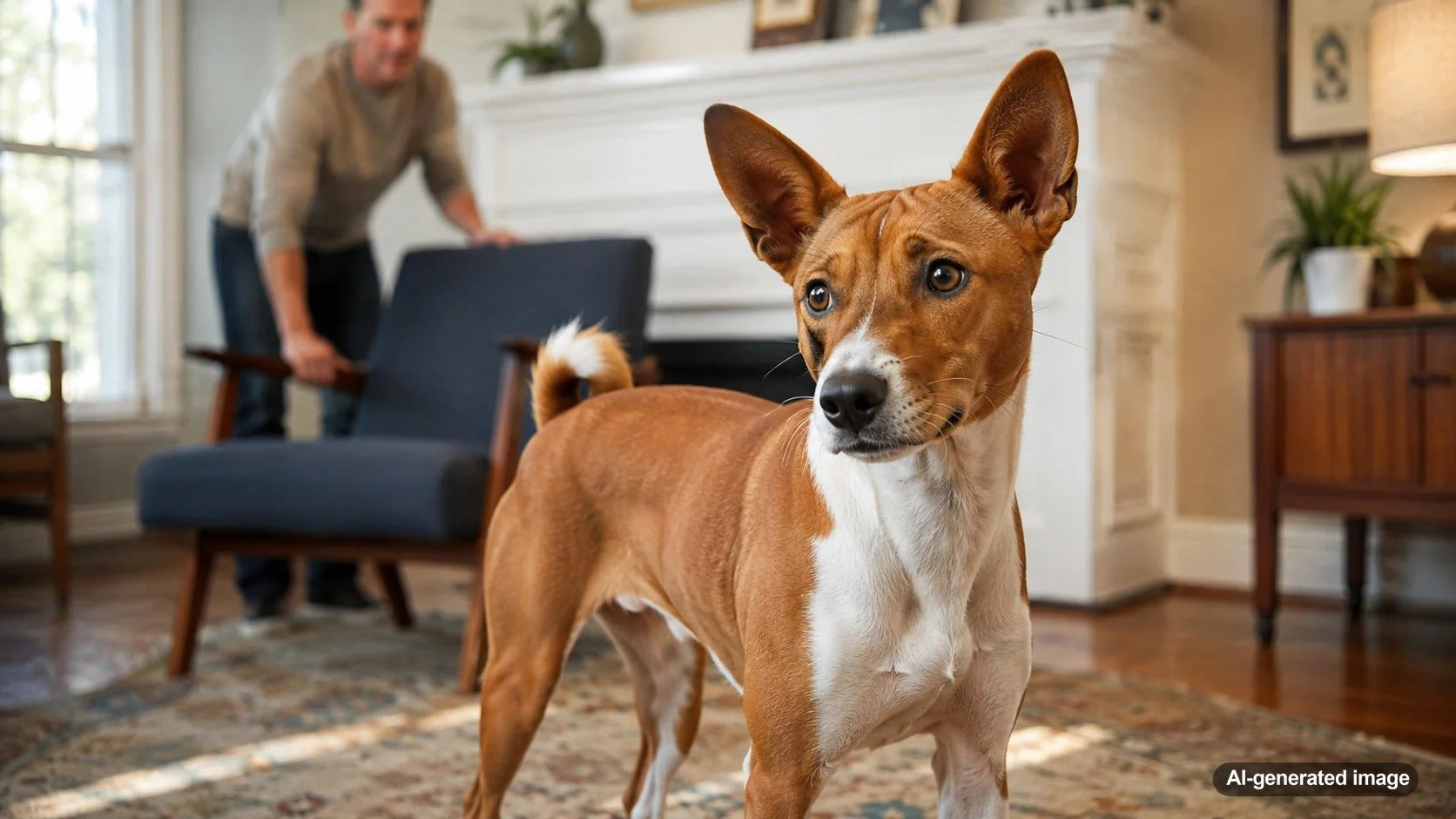
You move the couch six feet to the left, and suddenly your dog acts like the living room has been replaced by an entirely different planet. They may hesitate at the doorway, pace around the new layout, sniff every corner, refuse to settle, or stick unusually close to you. For some dogs, furniture changes can feel surprisingly significant because familiar spaces, pathways, smells, resting spots, and routines have all shifted at once.
The solution usually is not to put everything back immediately. Instead, you can help your dog adjust by making changes gradually when possible, keeping the rest of the daily routine predictable, allowing plenty of time to investigate, and pairing the new arrangement with familiar and rewarding experiences.
Why Can Moving Furniture Bother a Dog?
Your living room may still look like the same room to you, but your dog experiences the home through familiar visual landmarks, scent patterns, pathways, resting places, and routines. Moving a couch, table, dog bed, or favorite chair changes several of those cues at the same time.
Some dogs barely notice. Others investigate everything for an hour. More sensitive dogs may become unsettled because a highly predictable environment suddenly feels unfamiliar.
The disruption can be even greater during decorating, remodeling, packing, or moving because furniture changes may arrive alongside strange noises, boxes, workers, altered walking routes, and changes to the household schedule.
Let Your Dog Investigate at Their Own Pace
Once the furniture has been moved, resist the temptation to drag or coax a hesitant dog directly into the changed area. Give them an opportunity to inspect it voluntarily.
Your dog may sniff the floor where a sofa used to sit, investigate the newly exposed wall, circle around a chair, or repeatedly walk through the room. That exploration is useful. They are gathering information about what changed.
You can casually toss a few familiar treats into safe areas of the room or spend a few minutes doing an easy activity your dog already enjoys. Keep your own behavior relaxed and ordinary rather than turning the furniture change into a major event.
Protect the Routines That Did Not Change
When one part of a dog's environment becomes unpredictable, keeping other parts predictable can help make the day feel more familiar.
If possible, keep walks, meals, potty breaks, bedtime, and regular play sessions close to their normal schedule. Leave familiar bedding, water bowls, and other important resources in predictable locations unless those also need to move.
For example, if you are completely rearranging the family room, that may not be the best day to move your dog's bed to another floor, switch feeding locations, and change the evening walking schedule too. Spread changes out when you have that option.
Try Smaller Changes Before a Big Rearrangement
If you already know your dog dislikes changes in the home, gradual exposure may make future rearranging easier.
Move one smaller item and let your dog adjust. A few days later, make another small change. Practice casually relocating a dog bed, footstool, or side table and pairing the change with something pleasant.
The goal is not to constantly disrupt your dog's environment. It is to help them learn that a slightly different room can still be safe and predictable.
Use Familiar Activities in the New Layout
Once the room is safe, bring back activities your dog already associates with comfort and enjoyment.
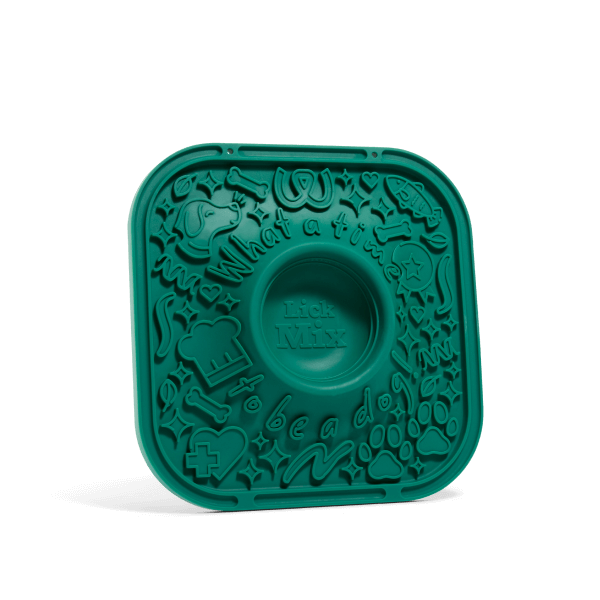
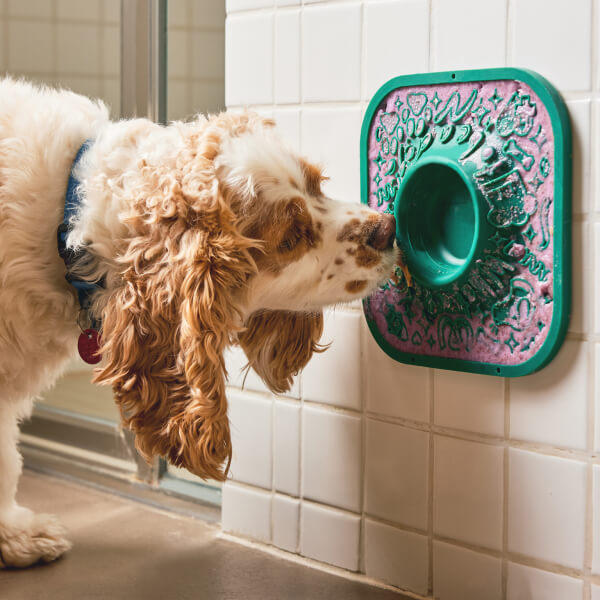
You might practice a few easy cues, scatter several treats for a sniffing game, sit together in the usual evening spot, or offer a familiar enrichment activity. A licking activity can be particularly convenient because it gives your dog something predictable to focus on while they spend time in the changed space.
For example, the The LickMat can provide a familiar licking activity while your dog relaxes nearby. Another option is The Pupsicle, which provides a longer-lasting treat-focused activity that may help make quiet time in the rearranged room more engaging.
The purpose is not to distract a severely frightened dog from distress. It is to add familiar, positive experiences while a mildly uncertain dog learns that the changed room is still a comfortable place.
Pay Attention to Pathways and Resting Spots
Sometimes what looks like anxiety about furniture is partly a practical navigation problem.
Maybe the new coffee table narrows your dog's usual route from the couch to the hallway. Perhaps a favorite sleeping corner suddenly feels exposed. A large chair might now block the direct path to the water bowl or backyard door.
Walk through the room from your dog's perspective. Make sure important resources remain easy to reach and that your dog has comfortable routes around large objects.
This matters especially for older dogs, dogs with mobility limitations, and dogs with reduced vision or hearing. Familiar layouts can help these dogs navigate confidently, and sudden furniture changes may be more confusing for them than for younger dogs.
Senior Dogs May Need Extra Help
An older dog that suddenly struggles with furniture changes deserves closer attention. Reduced vision, hearing changes, discomfort, mobility problems, or age-related cognitive changes can make adapting to a new layout harder.
If you must rearrange furniture, guide your dog calmly through the new pathways and keep important items such as beds, water bowls, and access to outdoor areas easy to locate.
If your senior dog becomes unusually anxious, confused, restless, hesitant to move, starts bumping into objects, or shows other significant behavioral changes, contact your veterinarian. A change that appears behavioral can sometimes be influenced by vision, hearing, pain, mobility, or another health issue.
Know the Difference Between Curiosity and Distress
Sniffing a newly moved couch, cautiously entering the room, or checking the same corner several times can simply be your dog investigating.
More significant stress may look like persistent pacing, trembling, panting when the room is not hot, repeated attempts to escape, refusing food your dog normally wants, hiding for long periods, excessive vocalizing, or being unable to settle.
If your dog is highly distressed, do not force repeated exposure to the rearranged space. Give them access to a familiar safe area and consider talking with your veterinarian or a qualified behavior professional about an appropriate plan.
Make Future Changes Less Surprising
A little flexibility in everyday life can help some dogs become more comfortable with small changes. Occasionally use different walking routes, practice relaxing in different rooms, move enrichment activities to different safe locations, or change where you conduct a short training session.
You do not need to make your dog's life unpredictable. A dependable routine is valuable. The idea is simply to create small, manageable experiences showing your dog that change does not automatically mean something bad is happening.
Your Dog Does Not Need to Love the New Layout Immediately
Dogs adjust at different speeds. One may inspect a newly arranged room for five minutes and immediately fall asleep. Another may need several days before confidently using the space exactly as before.
Give your dog time, preserve familiar routines, keep important pathways accessible, and add pleasant experiences without forcing interaction. In many cases, what initially looked like a dramatic decorating crisis gradually becomes just another version of home.
Dog Parent FAQs
Why does my dog act scared after I move furniture?
The familiar layout, pathways, smells, and resting areas have changed. Some dogs are more sensitive to environmental changes and may need time to investigate and adjust.
Should I move the furniture back if my dog seems anxious?
Not necessarily. Mild uncertainty may improve as your dog explores and gains positive experiences in the new layout. Severe or persistent distress deserves professional guidance.
How can I help my senior dog after rearranging a room?
Keep pathways open, guide your dog through the new layout, and avoid moving essential resources unnecessarily. If your senior dog seems confused, distressed, or has trouble navigating, contact your veterinarian.
Can treats help my dog get comfortable with moved furniture?
For a mildly uncertain dog, treats and familiar enrichment can help create positive associations with the changed space. Do not use food to force a frightened dog closer to something they are actively avoiding.