






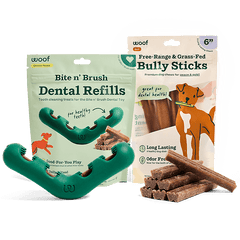

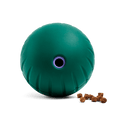
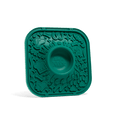





























Learning how to help a dog enjoy alone time without feeling abandoned starts with one big shift: alone time should feel predictable, safe, and rewarding, not sudden or scary. Many dogs do not misbehave when left alone because they are being stubborn; they may be bored, confused by departure cues, under-stimulated, or genuinely stressed. With a calm routine, gradual practice, and the right kind of enrichment, many dogs can learn that your leaving is not the end of the world.
Some dogs need only a better pre-departure routine. Others need a slower training plan, especially if they panic, bark for long periods, drool, destroy doors, potty indoors, or refuse food when alone. If your dog shows intense distress, sudden behavior changes, or signs that could be medical, check with your veterinarian or a qualified trainer before pushing longer absences.
Start With What Alone Time Looks Like for Your Dog
Before changing the routine, spend a few days observing. Does your dog settle after five minutes, or do they pace the entire time? Do they bark only at hallway noises, or do they start whining as soon as you pick up your keys? Do they chew furniture from boredom, or scratch at the door in panic?
This difference matters. A bored dog may need more movement, sniffing, chewing, licking, or puzzle play before you leave. A worried dog may need tiny practice departures and a calmer emotional association with your exit. A puppy may simply not have the bladder control or independence skills yet. A senior dog may struggle with discomfort, hearing changes, vision changes, or confusion, so sudden clinginess in an older dog is worth discussing with your vet.
Make Departures Feel Boring, Not Dramatic
Dogs are excellent pattern readers. Shoes, keys, bags, coffee cups, and goodbye rituals can all become clues that something stressful is about to happen. If every departure includes emotional goodbyes, rushed energy, and then hours of silence, your dog may start worrying before you even reach the door.
Practice making those cues less meaningful. Pick up your keys, sit back down. Put on your shoes, then make lunch. Walk to the door, touch the knob, and return to the couch. These tiny repetitions can help your dog learn that departure signals do not always predict being left alone.
Build a Pre-Alone-Time Routine Your Dog Can Recognize
A good routine answers your dog's basic questions before you leave: Have I pottied? Did I get movement? Do I have something safe to do? Is this space familiar?
A walk, sniff session, or quick training game can help take the edge off before quiet time.
Choose a safe area with water, comfortable bedding, and limited access to items your dog should not chew.
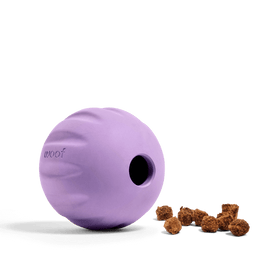
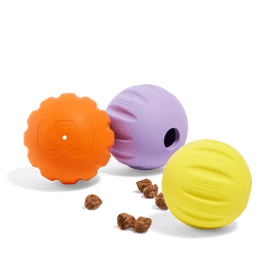
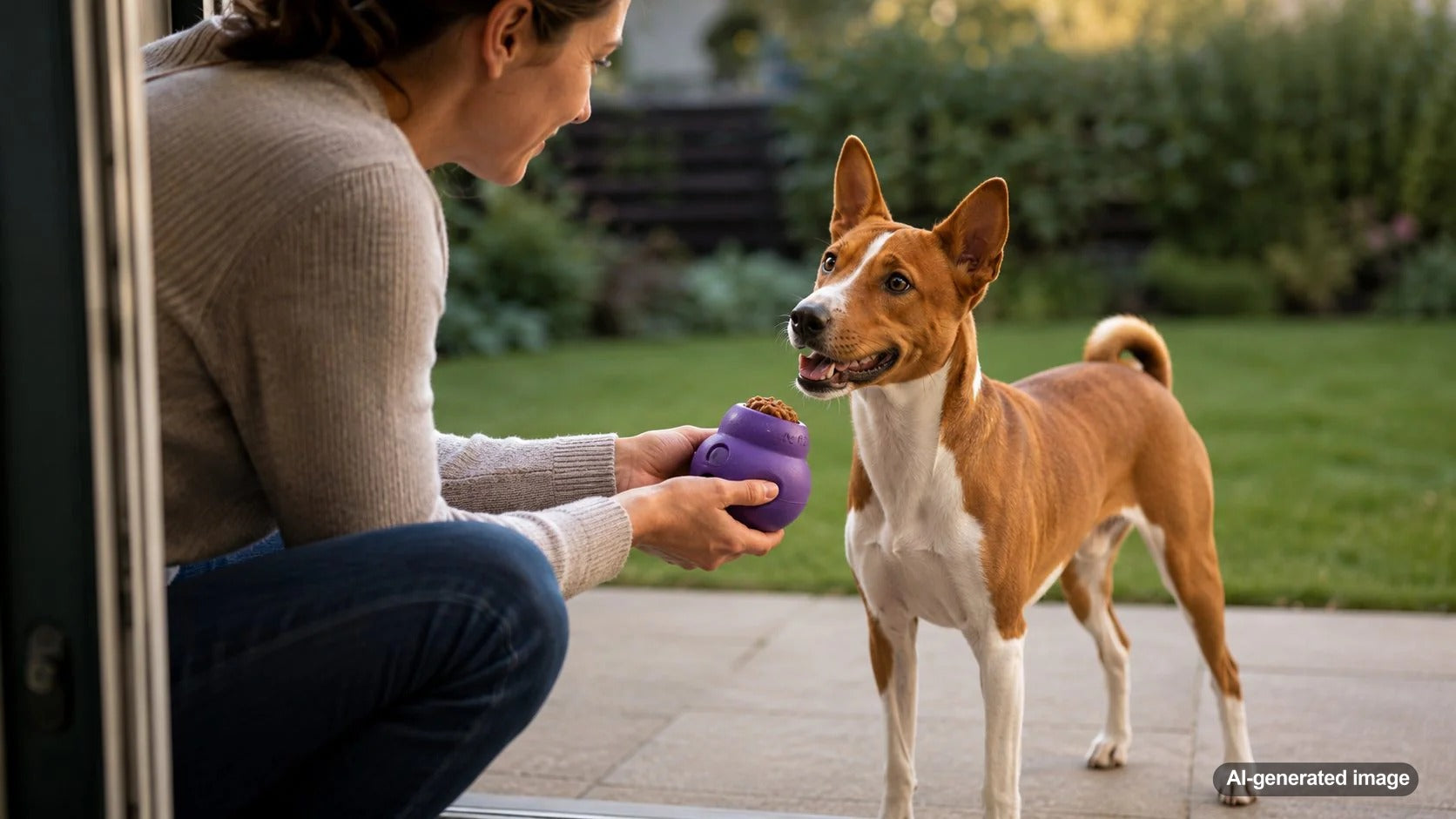
Offer a safe licking, chewing, or puzzle activity that fits your dog's size, chewing style, and experience level.
Skip the rushed goodbye. Keep your body language relaxed and your routine repeatable.
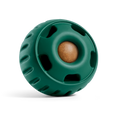
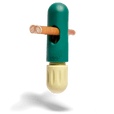
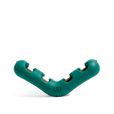
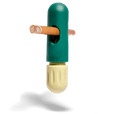
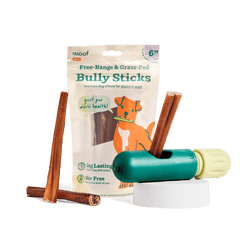
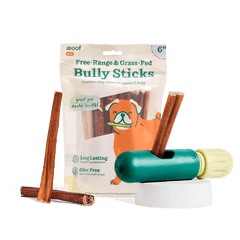
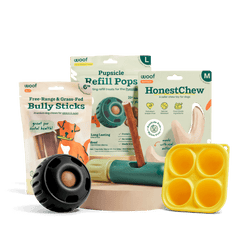
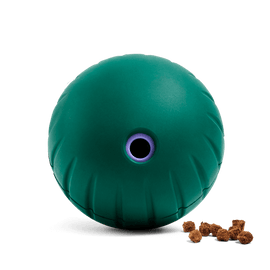
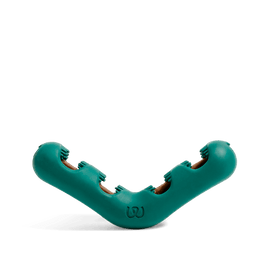
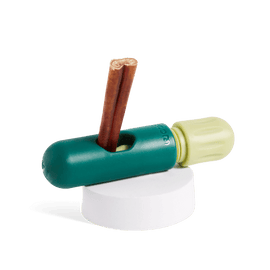
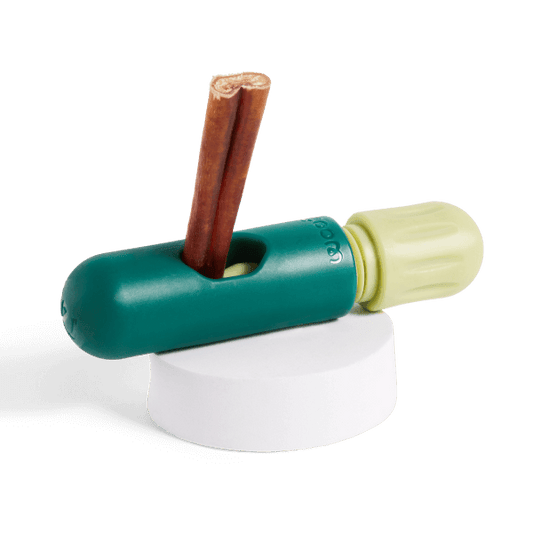
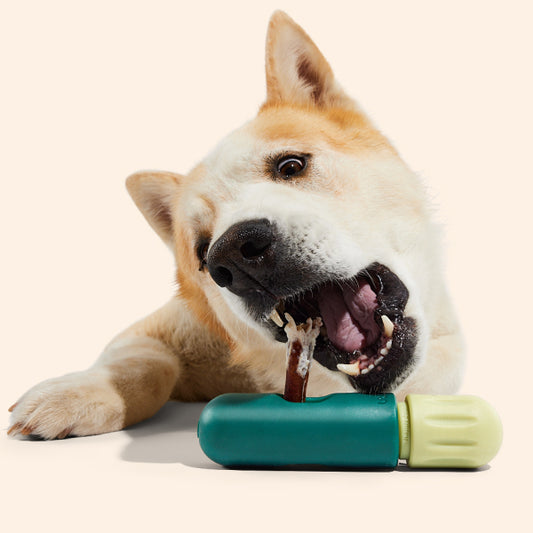
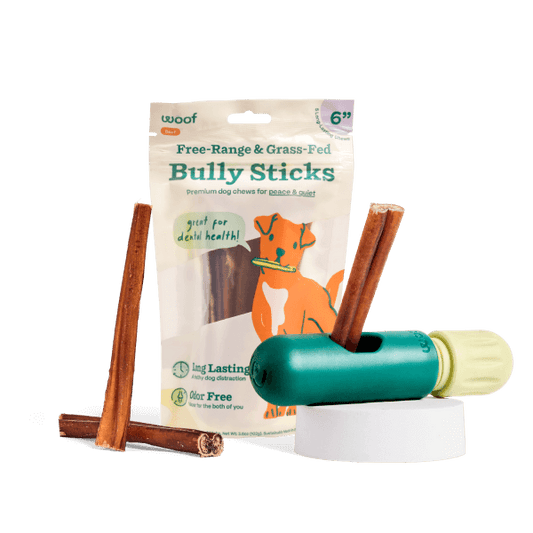
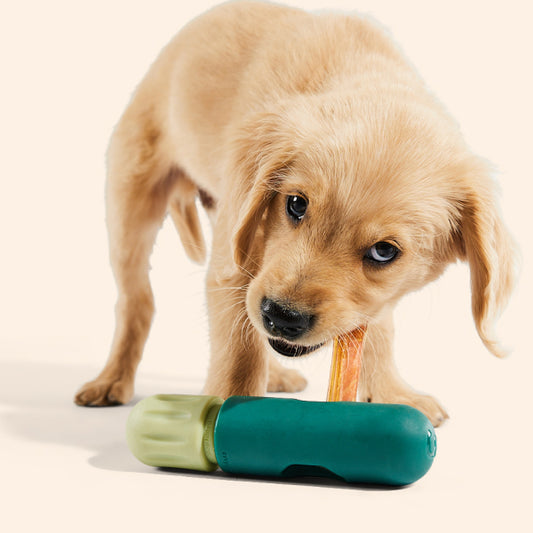
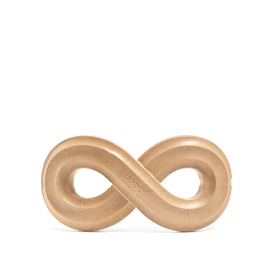
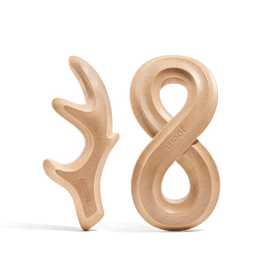
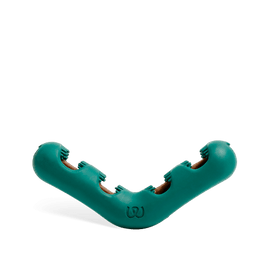
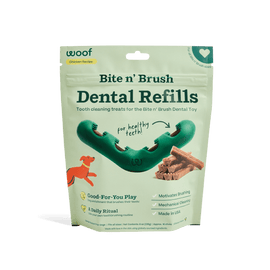
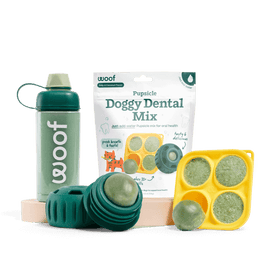
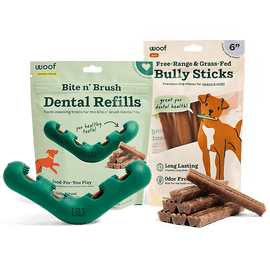
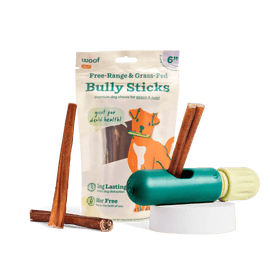
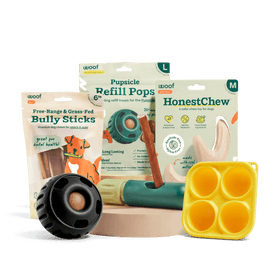
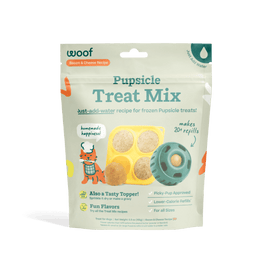
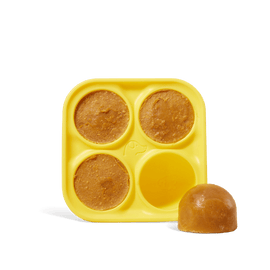
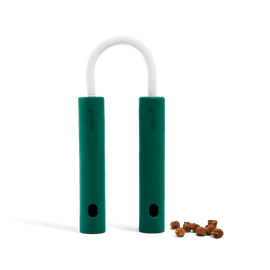
For dogs who relax through licking, FlipMat can be a useful part of this rhythm because it works as both a lick mat and slow feeder with two levels of challenge. For dogs who need longer-lasting treat play, The Pupsicle can help turn quiet time into a focused enrichment session. Always choose activities that are appropriate for your dog's chewing style and supervise new items before using them during alone-time practice.
Practice Tiny Separations Before Long Ones
One common mistake is waiting until work, errands, or dinner plans force a long absence. Instead, train alone time in tiny steps. Start with your dog resting behind a baby gate while you are still home. Step into another room for a few seconds. Return before your dog gets upset. Gradually add time only when your dog can remain relaxed.
For some dogs, progress may mean 10 calm seconds today and 20 calm seconds tomorrow. That is still progress. If your dog barks, scratches, refuses food, or panics, the step may have been too hard. Go back to a shorter, easier version and rebuild.
Use Enrichment, But Do Not Let It Do All the Work
Enrichment can be incredibly helpful, but it should support the training plan rather than replace it. A food toy may keep a dog busy for the first 15 minutes, but a truly distressed dog may panic once the treat is gone. That is why gradual practice matters.
Choose the activity based on what your dog actually finds calming. Some dogs settle with licking. Some need a safe chew. Some enjoy slow feeding or puzzle toys. Power chewers may need sturdier options and closer supervision. Small dogs may prefer easier textures and smaller portions. Puppies may need very short sessions because frustration can build quickly.
Do not punish barking, chewing, or potty accidents that happen from distress. Do not jump from five minutes alone to five hours. Do not use a crate for long absences unless your dog is already comfortable in it. Do not leave new chews, toys, or food items unsupervised until you know how your dog uses them.
Know When Your Dog Needs Extra Help
Mild boredom and mild worry often improve with routine changes, enrichment, and steady practice. More serious separation-related distress may need professional support. Contact your veterinarian or a qualified trainer if your dog injures themselves, breaks out of confinement, drools heavily, pants nonstop, refuses favorite food only when alone, has repeated potty accidents, or seems unable to settle at all.
It is also smart to rule out pain, digestive issues, urinary problems, cognitive changes, or other health concerns when a dog suddenly becomes clingy or anxious. Behavior is information, and your dog may be telling you that something has changed.
A Gentle Alone-Time Plan to Try This Week
Day one, observe your dog's current response to short separations. Day two, practice departure cues without leaving. Day three, add a short enrichment session while you step into another room. Day four, try a 30-second calm departure. Day five, repeat the easiest successful step. Day six, add a little more time only if your dog stayed relaxed. Day seven, keep the routine familiar and celebrate calm behavior without making a huge fuss.
The best plan is the one your dog can repeat successfully. Calm alone time grows from small wins, not from forcing a dog to "get over it."
Dog Parent FAQs
How long does it take for a dog to get used to being alone?
It depends on the dog, their history, age, routine, and stress level. Some dogs adjust with a few days of better enrichment and practice, while others need weeks or months of gradual training.
Should I leave the TV or music on for my dog?
Soft background sound may help some dogs, especially if it masks hallway or street noises. It is not a full solution for separation distress, but it can be part of a calm environment.
Is destructive chewing always separation anxiety?
No. Chewing can come from boredom, teething, lack of exercise, curiosity, or stress. Look at when it happens, how intense it is, and whether your dog shows other signs of distress.
Should I give my dog a treat every time I leave?
A safe, enjoyable treat or enrichment activity can help create a positive association with departures. Just make sure it suits your dog's diet, chewing style, and supervision needs.
The Bottom Line on Happier Alone Time
Helping your dog feel comfortable alone is not about making them need you less. It is about helping them trust that you always come back and that the time in between can feel safe, calm, and even rewarding. Start small, keep the routine predictable, use enrichment thoughtfully, and slow down when your dog tells you they need an easier step.


