






































































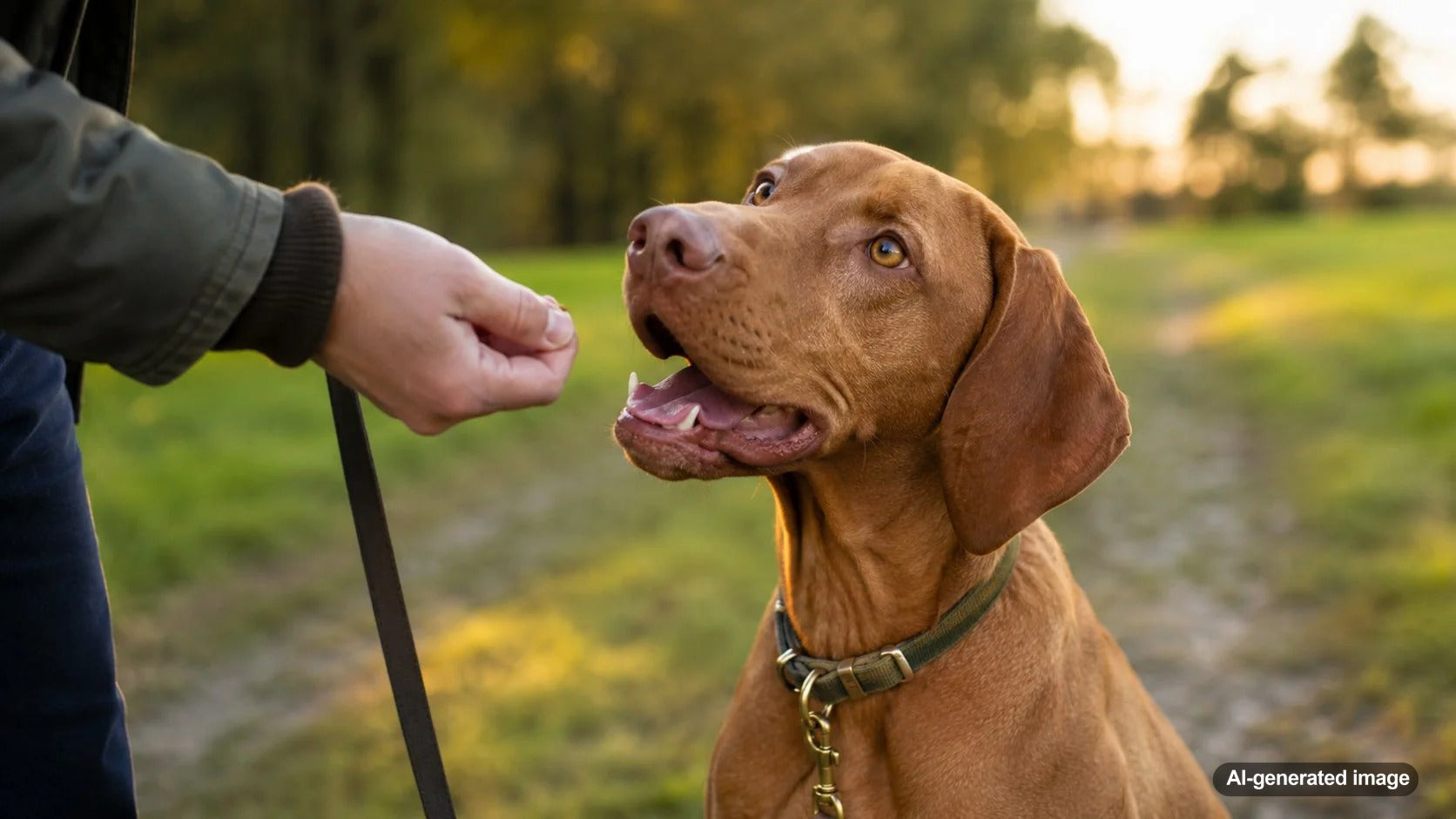
A bad walk can leave both ends of the leash feeling frazzled. Maybe your dog barked at every passing pup, froze when a truck rumbled by, pulled toward a squirrel, or became too overwhelmed to listen. Instead of treating the rest of the day as ruined, you can give your dog a simple, low-pressure reset that replaces tension with safe, enjoyable activities.
The goal is not to make your dog forget what happened or immediately repeat the walk until they get it right. A better reset gives their body and brain time to settle, meets a natural need such as sniffing or licking, and creates an easy opportunity to succeed.
Quick answer: End the stressful outing, return to a quiet environment, offer water and space, and let your dog choose a calming activity. Sniffing for scattered treats, licking a prepared enrichment toy, chewing an appropriate chew, or practicing two or three familiar cues can help turn the day in a more positive direction.
First, Recognize What Made the Walk Bad
A walk does not have to include a dramatic barking or lunging episode to be stressful. Some dogs show discomfort by slowing down, refusing treats, scanning constantly, panting when they are not hot, pinning their ears back, repeatedly shaking off, or trying to hurry home. Others become unusually jumpy and react to small things after encountering several difficult situations in a row.
This buildup is often called trigger stacking. A motorcycle, an off-leash dog, a noisy construction crew, and an unexpected stranger reaching toward your dog may each be manageable alone. When they happen close together, however, your dog may become too overwhelmed to process another challenge calmly.
Once that happens, more exposure is not necessarily better. Skip the temptation to march around the block again to prove that your dog can do it. Head somewhere safe and begin the reset instead.
Step 1: Make the Transition Home Quiet
Keep the trip home calm and uneventful. Avoid frustrated leash corrections, excited chatter, or an immediate greeting from every person and pet in the house. Give your dog water, remove walking gear, and allow a few minutes to wander, lie down, or move to a favorite resting area.
Some dogs seek closeness after a stressful experience, while others need more personal space. Follow your dog's body language rather than insisting on petting or cuddling. A dog who turns away, leaves, stiffens, or repeatedly licks their lips may be asking for a break.
Step 2: Let Your Dog Sniff Out an Easy Win
Sniffing is an excellent reset activity because it allows your dog to gather information and make simple choices without demanding intense physical exercise. Toss five to ten small treats across a rug, into a patch of clean grass, or around one quiet room and encourage your dog to find them.
Keep the search easy at first. A stressed dog may struggle with a complicated puzzle that would normally be fun. You can gradually hide treats behind a chair leg or beside a cardboard box once your dog begins searching with a loose body and steady focus.
For puppies, use part of their regular meal so the activity does not add too many treats. Seniors and dogs with mobility limitations may enjoy a compact search area that does not require stairs, jumping, or slippery flooring.
Step 3: Offer a Licking or Chewing Activity
Licking and chewing are natural behaviors that can be incorporated into a relaxing post-walk routine. The activity should match your individual dog. A gentle licker may enjoy a thin layer of dog-safe food on a mat, while an experienced chewer may prefer a durable, appropriately sized chew.
A prepared The Pupsicle can provide a longer-lasting licking activity when your dog needs something engaging but does not want energetic play. For dogs who prefer a flatter enrichment surface, the dual-sided FlipMat can turn a small portion of food or spread into a soothing activity with different levels of challenge.
Always supervise enrichment and choose foods that fit your dog's diet. Remove damaged toys or chews, and do not use a difficult food puzzle if frustration appears to be increasing rather than decreasing.
Step 4: Try a Tiny Confidence Game
Once your dog looks more settled, practice a few behaviors they already know well. Ask for a hand target, a sit, a down, or a simple find-it game. Reward generously and stop after three to five successful repetitions.
This is not the time to drill leash skills or work on the trigger that caused the problem. The purpose is to remind your dog that interacting with you can be predictable and rewarding. Finish while the game is still easy.
Helpful tip: Watch for signs that the reset is working, such as softer eyes, a relaxed mouth, normal breathing, comfortable stretching, casual sniffing, resting on one hip, or choosing to nap.
Step 5: Choose Rest Over More Excitement
A wild game of indoor fetch may seem like a fun way to change the mood, but intense activity can keep an already stimulated dog revved up. Many dogs benefit more from a calm enrichment session followed by uninterrupted sleep.
Dim the activity level in the home, reduce window access if outdoor movement causes barking, and give your dog a comfortable place where children or other pets will not bother them. Your dog does not need constant entertainment. Rest is a valuable part of recovery.
Plan an Easier Next Walk
Use the experience as information rather than evidence that your dog failed. Consider walking at a quieter time, choosing a wider route, shortening the outing, or creating more distance from known triggers. Bring high-value rewards and turn around before your dog becomes overwhelmed.
A decompression walk can also help when your dog is ready. Choose a quiet area, allow plenty of sniffing, and focus less on mileage or perfect heel position. Letting your dog explore at a comfortable pace can make the outing feel more manageable.
When to get help: Contact your veterinarian if your dog's behavior changes suddenly or is accompanied by limping, pain, vomiting, diarrhea, excessive drooling, appetite changes, weakness, or unusual fatigue. Frequent fear, lunging, snapping, or difficulty recovering after walks is also a good reason to consult a qualified positive-reinforcement trainer or veterinary behavior professional.
Dog Parent FAQs
Should I take my dog on another walk right away?
Usually, no. Give your dog time to settle instead of immediately repeating the stressful situation. A brief potty trip may be necessary, but keep it quiet and low pressure.
How long does a dog need to recover from a bad walk?
Recovery varies. Some dogs relax within an hour, while sensitive or reactive dogs may need a quieter schedule for the rest of the day or longer.
What if my dog will not take treats afterward?
Refusing a normally valued treat can mean your dog is still overwhelmed. Reduce stimulation, offer water and space, and avoid pushing training or play.
Can I comfort my dog after they get scared?
Yes. Calm support will not reward fear. Offer reassurance if your dog seeks it, but respect them if they prefer distance or a quiet resting spot.
A Better Ending Can Still Make It a Good Day
One rough outing does not define your dog, your training, or your relationship. By replacing pressure with sniffing, licking, an easy confidence game, and plenty of rest, you can help your dog move from an overwhelming moment into a safer and more enjoyable routine. The best reset is not elaborate. It is calm, familiar, and tailored to what helps your dog feel secure.


