






































































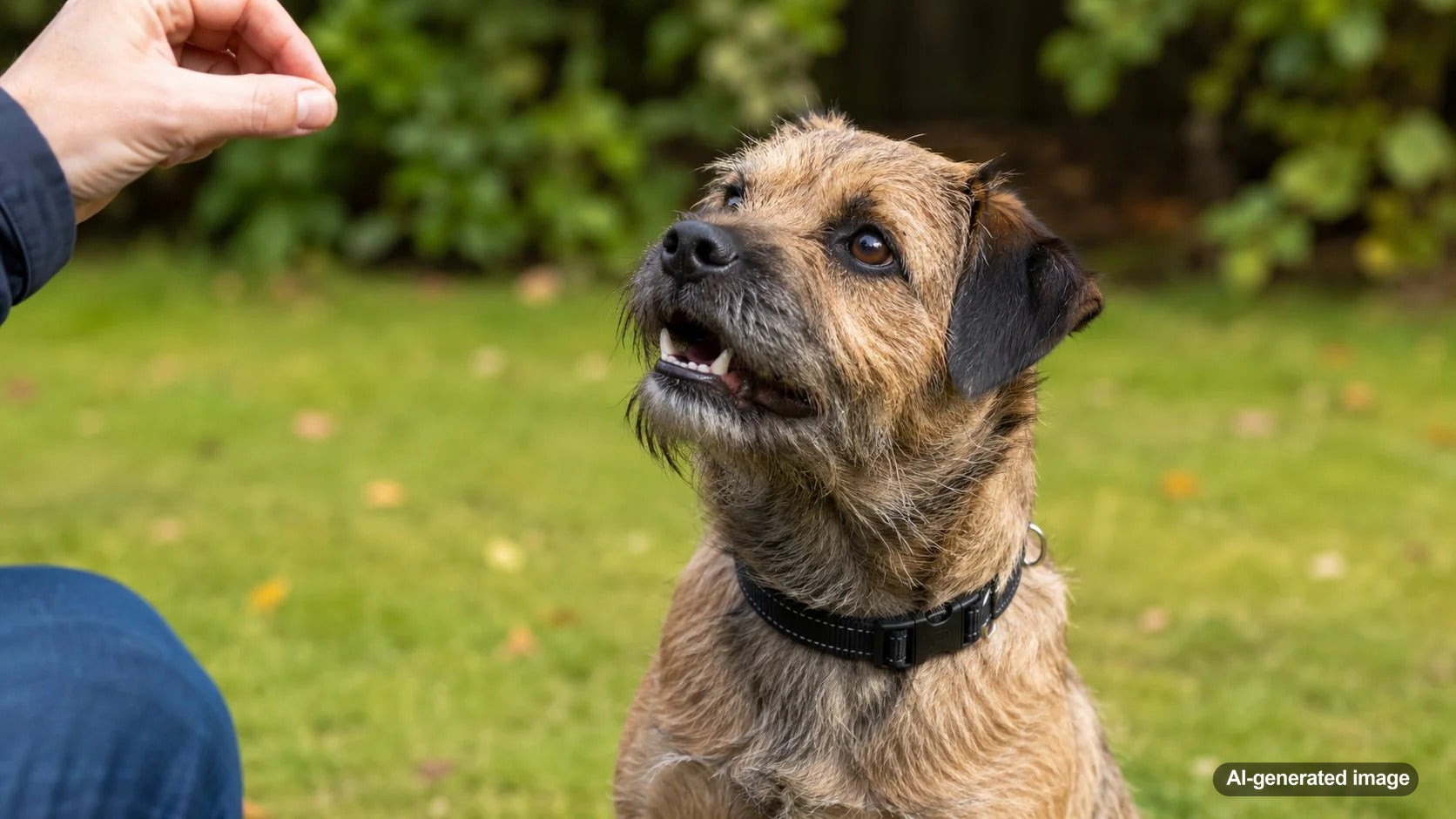
Terriers are tiny professionals with very serious resumes: digger, chaser, investigator, alarm system, snack detective, and couch cushion inspector. So when you ask how to channel terrier energy without encouraging chaos, the real answer is not to tire them out until they flop over. It is to give that sharp, busy brain a job, reward calm choices, and build routines that let your dog use natural instincts in ways that work for your home.
Many terrier behaviors that feel like mischief are actually misplaced purpose. Barking at every sound, shredding toys, digging in blankets, chasing the cat, or bouncing off the furniture often happens when a clever dog has energy but no clear outlet. The goal is not to erase terrier personality. The goal is to aim it.
Start With the Terrier Job Description
Terriers were developed to be bold, quick, persistent, and highly alert. That means many terriers are not being difficult when they notice every squirrel, tunnel under blankets, or insist on inspecting a suspicious leaf. They are doing what their brains were built to do.
A helpful routine gives your terrier approved versions of those jobs. Digging can become a snuffle game. Chasing can become controlled fetch with release cues. Chewing can become supervised chew time. Problem solving can become a puzzle feeder or treat toy. When your dog has legal outlets, you spend less time saying no and more time showing them what works.
Use Movement, But Do Not Turn Every Activity Into a Party
Terriers need daily movement, but more intensity is not always better. A long game of wild chase may burn energy in the moment, then leave your dog more keyed up afterward. For many terriers, the sweet spot is structured exercise: brisk walks with sniff breaks, short fetch sessions with pauses, tug with rules, or a backyard game where your dog waits, runs, finds, and returns.
Try thinking in rounds instead of marathons. A five-minute game of tug with a clear start and finish can be more useful than twenty minutes of wrestling that ends with jumping and nipping. Ask for a simple cue, such as sit or touch, before restarting the game. That tiny pause teaches your terrier that calm focus makes the fun continue.
Give the Nose Something to Do
Scent work is one of the best ways to satisfy a terrier without creating chaos. Hide a few treats around a room, scatter kibble in a towel, or place food in small boxes and let your dog search. Start easy so your terrier succeeds, then slowly make the game more challenging.
This matters because sniffing is not just filler. It gives your dog a slower, more thoughtful way to explore. A terrier who spends ten minutes hunting for treats with their nose may settle better than one who spent the same time sprinting from window to window.
Make Mealtime Work Harder
A bowl of food can disappear in seconds, especially when a terrier believes speed is a competitive sport. Turning meals into enrichment gives your dog a job and can help stretch a routine that would otherwise be over too fast.
A rolling slow feeder or puzzle toy can be especially useful for terriers who like movement and problem solving. The Walkabout is designed to turn mealtime into a wobbling, rolling activity with an adjustable dial for kibble or treat size. It gives busy dogs a way to work for food indoors without needing the whole living room to become a racetrack.
For calmer moments, licking can be a better fit than bouncing. A lick-based routine can help shift your terrier out of go-go-go mode after a walk, during crate time, or when guests arrive. The key is timing: use licking when you want your dog to settle, not when they are already in full chaos mode.
Choose Chewing That Has Rules
Terriers often love to chew because chewing gives them something satisfying and repetitive to do. The problem comes when the chosen item is your shoe, baseboard, blanket edge, or favorite throw pillow. Supervised chew time gives your dog an approved outlet and makes the house rules easier to understand.
For determined chewers, HonestChew can be part of a calmer chew routine. Set your terrier up in a dog-safe spot, offer the chew, and keep the session relaxed. Always supervise chew time, choose the right size for your dog, and remove any item that becomes damaged or small enough to swallow.
Teach an Off Switch Like It Is a Real Skill
Some terriers do not naturally drift into relaxation when the fun stops. They look for the next job. That is why settle training matters. After exercise or enrichment, guide your dog to a bed, mat, crate, or cozy resting spot and reward small signs of calm: standing still, lying down, resting their chin, or watching quietly.
Keep early sessions short. You might reward ten seconds of calm at first, then thirty, then one minute. Over time, your terrier learns that stillness is not the end of fun. It is another behavior that earns good things.
- Start the day with a sniffy walk or short training walk.
- Use breakfast in a puzzle, slow feeder, or search game.
- Offer a short play session with clear pauses and cues.
- Schedule supervised chew or lick time after activity.
- Practice a calm settle before your dog gets overtired.
Watch for the Difference Between Energy and Stress
Not every wild moment is simple extra energy. If your terrier suddenly becomes destructive, cannot settle, pants heavily at rest, hides, growls, limps, stops eating, has stomach trouble, or shows a major behavior change, check in with your veterinarian or a qualified trainer. Pain, fear, illness, or anxiety can look like restlessness.
Puppies also need extra patience because they have short attention spans and immature impulse control. Seniors may still enjoy puzzles and sniffing but need gentler movement and more recovery time. Power chewers need extra supervision and carefully chosen chew items. Small dogs may have huge energy, but their bodies still need safe, reasonable activity.
Make Calm the Most Rewarding Option
The biggest mistake dog parents make with terriers is only engaging when the dog is already chaotic. If barking, pawing, stealing socks, or zooming across the couch always starts the game, your terrier may learn that chaos works. Instead, notice the quiet moments. Reward your dog when they check in, sit, lie down, chew an approved item, or choose their mat.
Terrier energy is not the enemy. It is enthusiasm waiting for direction. With the right mix of movement, scent work, chewing, licking, puzzle feeding, training, and rest, your dog can stay delightfully terrier without turning your home into a tiny tornado zone.
Dog Parent FAQs
Why is my terrier still hyper after a long walk?
Your terrier may need more mental work, not just more distance. Try adding sniffing, training cues, food puzzles, or a calm lick routine after the walk to help your dog shift into rest mode.
Is fetch good for terriers?
Fetch can be great in short, structured sessions. Add pauses, release cues, and calm resets so it does not become nonstop arousal.
How do I stop my terrier from digging inside?
Give your dog an approved outlet, such as a towel-snuffle game, treat search, or designated digging box. If digging is sudden, obsessive, or paired with distress, ask your veterinarian or a qualified trainer for guidance.
What is the best enrichment for a terrier home alone?
Choose safe, appropriate enrichment your dog can handle calmly, and test it while supervised first. Puzzle feeders, lick routines, and approved chew options may help, but avoid leaving your dog with anything that could break apart or create a choking risk.


