






















Confidence does not usually arrive in one big superhero moment for a nervous dog. It is built in tiny, repeatable wins: sniffing a new corner, choosing to step closer, relaxing after a weird sound, or taking a treat when the world feels a little too loud. If your pup hides behind your legs, freezes on walks, startles at household noises, or needs extra reassurance in new places, you are not failing them. You are simply working with a sensitive dog who needs safety, patience, and a routine that says, "You can do this, and I will not rush you."
The heart of confidence-building is choice. Nervous dogs often feel better when they can observe, retreat, and try again without pressure. Instead of forcing your dog to "face their fear," think of yourself as their calm tour guide. You set up easy situations, reward brave choices, and keep the experience small enough that your dog can still think, sniff, and eat.
Start With Safety Before You Ask for Bravery
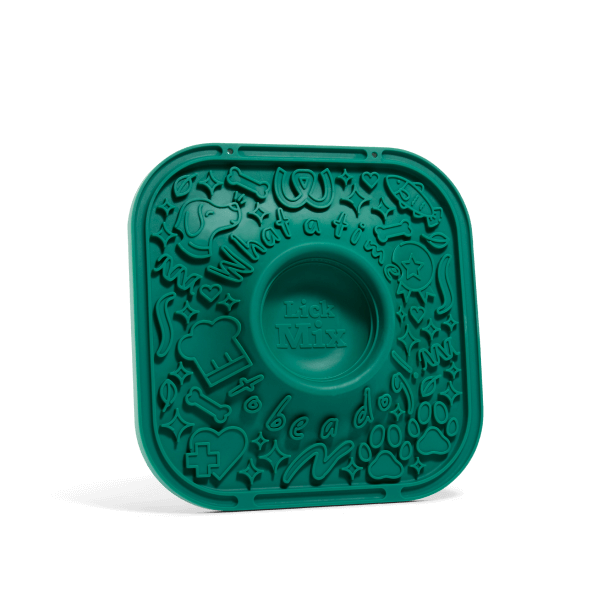
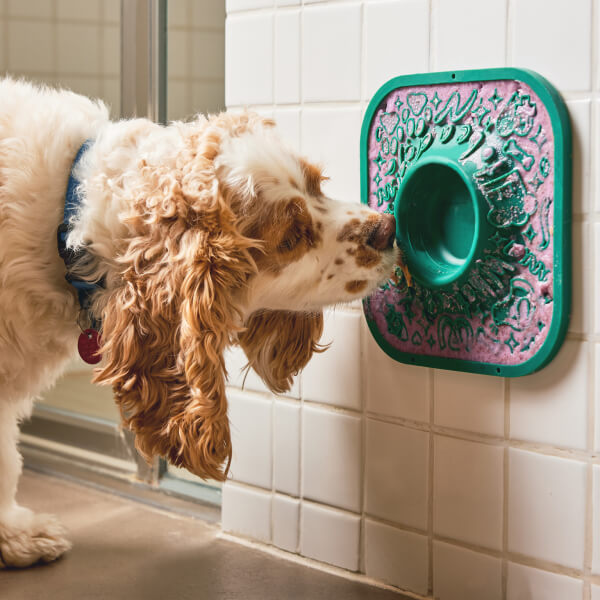
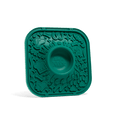
A nervous dog cannot learn well when they are already over threshold. That is the point where fear takes over and your pup may bark, bolt, shut down, tremble, or refuse food. Before practicing confidence skills, create a safe base at home with a cozy bed, fresh water, predictable routines, and enrichment that helps your dog settle. A quiet licking session with FlipMat or The LickMat can give your dog a simple, soothing activity when the day feels busy.
Calm is not the opposite of training. Calm is the foundation for it. When your dog has had a chance to decompress, they are more likely to notice you, take rewards, explore, and make those little decisions that become confidence over time.
Use the Three-Second Rule for New Things
Here is a friendly confidence game: show your dog something mildly new for just three seconds, then let them move away. It might be an umbrella on the floor, a delivery box, a new hallway, or the sound of a neighbor outside. If they glance at it, sniff near it, or choose to investigate, reward them with praise and a tasty bite. Bravery can look very small. For a nervous dog, looking without panicking is progress.
If your pup backs away, that is information, not disobedience. Increase the distance, make the object less intense, or try again later. The goal is not to convince your dog that everything is amazing overnight. The goal is to teach them that new things can appear and nothing scary has to happen.
Pair Triggers With Good Stuff
One of the most effective ways to help a fearful dog is to pair low-level versions of scary things with rewards. If your dog worries about traffic, sit far enough away that they can notice cars without spiraling. Every time a car passes, offer a small treat, gentle praise, or a calm lick break. If your dog worries about visitors, start with distance, barriers, and zero pressure to say hello.
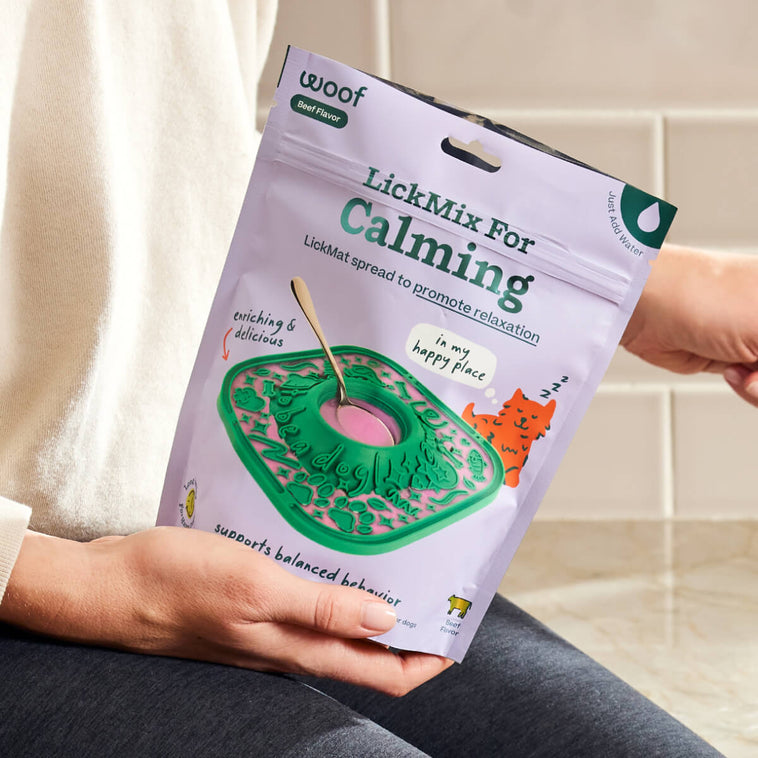
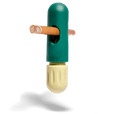
This is where high-value enrichment can shine. The On the Go Travel Kit is a helpful option for vet visits, car rides, and new environments because it keeps calming distraction close by. For dogs who relax through licking, Calming Support LickWells or Calming LickMix can turn a stressful moment into a more manageable routine.
Build a Daily "I Did It!" Routine
Confidence grows faster when your dog gets predictable chances to succeed. Try one mini challenge per day: stepping onto a bath mat, finding treats in a towel, following you around a cone, walking past a quiet trash can, or sniffing a new patch of grass. Keep it light, end while your dog is still doing well, and celebrate the attempt.
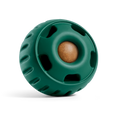
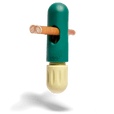
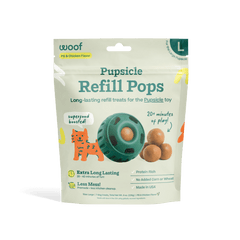
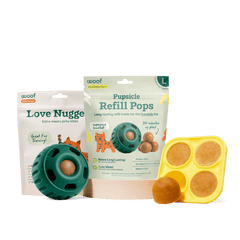
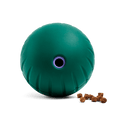
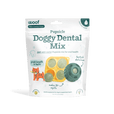
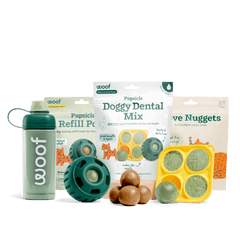
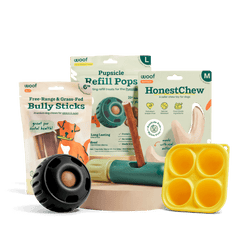
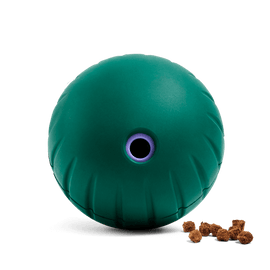
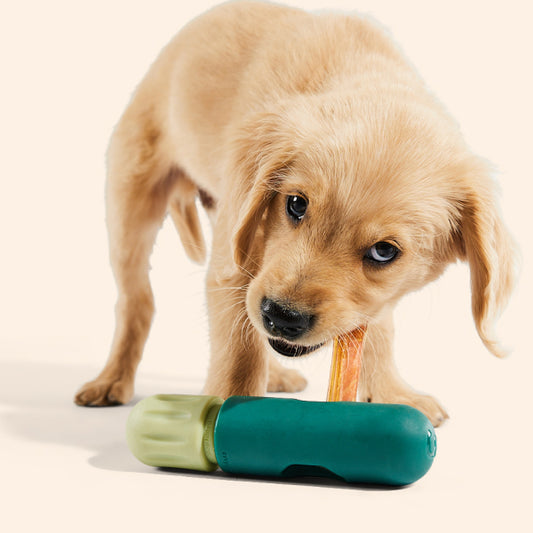
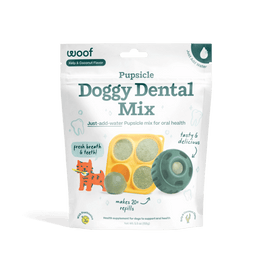
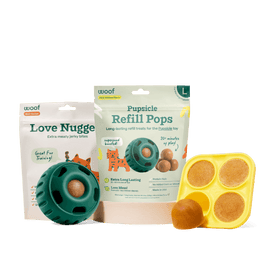
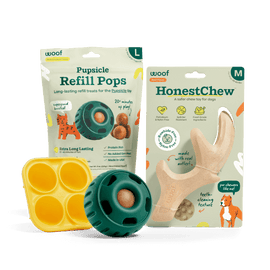
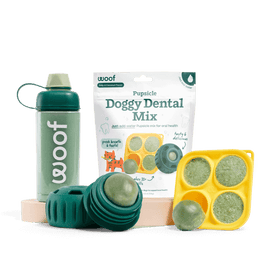
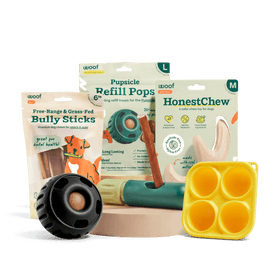
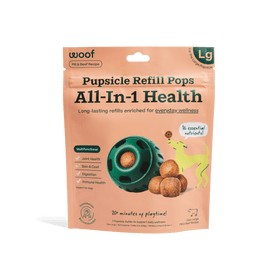
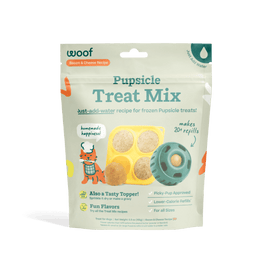
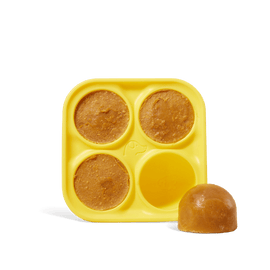
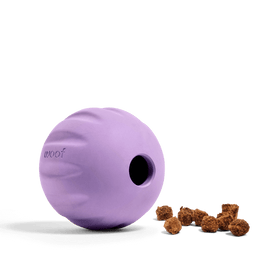
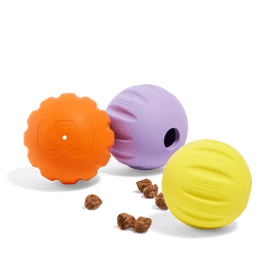
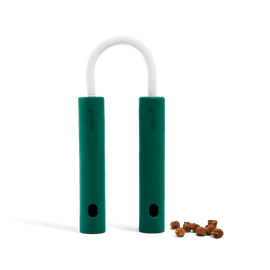
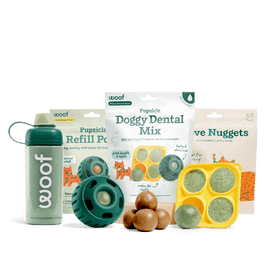
Interactive toys are especially useful because they let your dog solve problems without social pressure. The Pupsicle offers long-lasting engagement that can help nervous dogs practice independence in a safe, happy way. For pups who enjoy movement and nose work, Walkabout turns mealtime into a rolling puzzle that rewards curiosity, while Nomchucks adds treat-stuffable fun for brainy play sessions.
Let Your Dog Win on Walks
Walks do not have to be about distance. For a nervous dog, a successful walk might be standing on the porch, sniffing one tree, or calmly watching the world from across the street. Bring rewards, avoid crowded routes when possible, and let your dog choose sniff breaks. Sniffing is not wasting time. It is how dogs gather information and feel more in control.
If your dog freezes, do not drag them forward. Pause, soften your voice, and give them room. You can toss a treat behind them so retreating feels safe, then try a smaller step next time. Confidence comes from learning, "My person listens when I am worried."
Give Chewing a Job
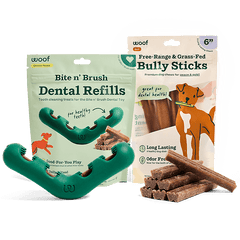
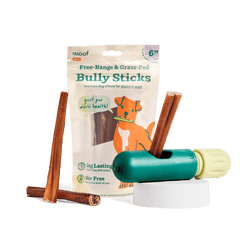
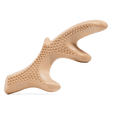
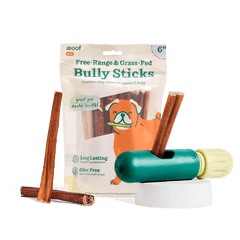
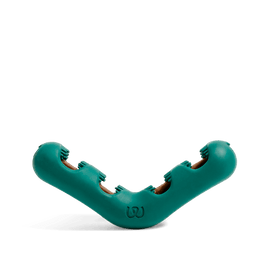
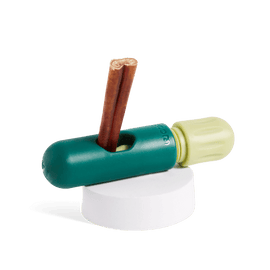
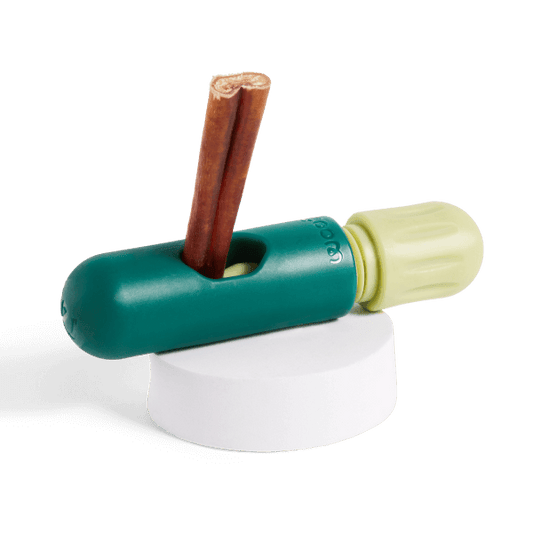
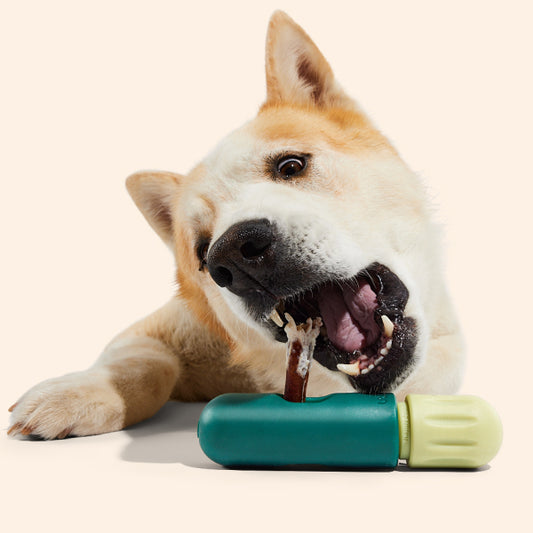
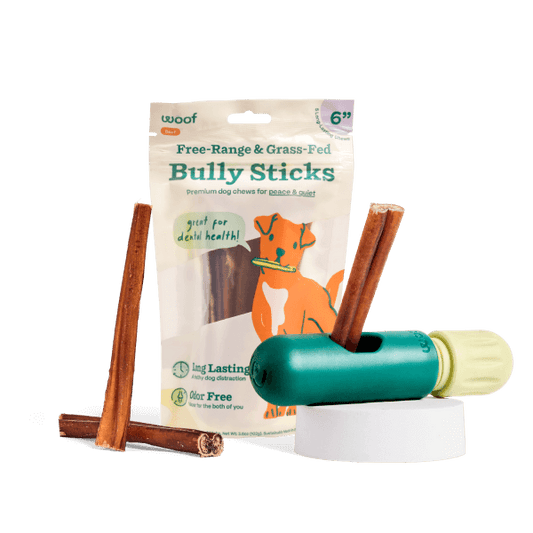
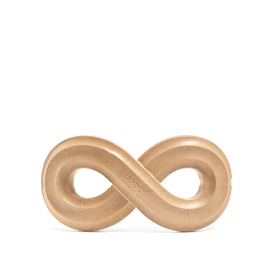
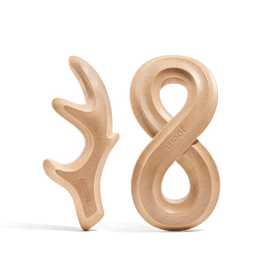
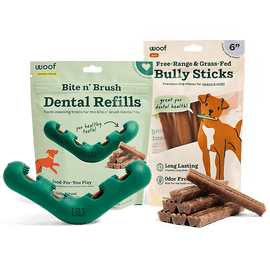
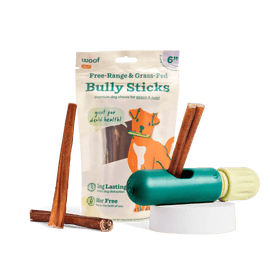
Chewing can be a wonderful decompression tool for dogs who carry stress in their bodies. A safe, satisfying chew session after a new experience can help your dog come back down. HonestChew is a durable plant-powered option for chew-loving pups, while The BullySafe helps make bully stick time safer and easier to manage. Think of chewing as your dog clocking out after a brave little shift.
Know When to Get Extra Help
Some nervous dogs need more support, and that is completely okay. If your dog panics, snaps, cannot recover after triggers, refuses to eat in many environments, or seems distressed most days, talk with your veterinarian or a qualified positive-reinforcement behavior professional. Support is not a last resort. It is a loving shortcut to a better plan.
Small Steps Make Big Tail Wags
Learning how to build confidence in a nervous dog is really about becoming fluent in your pup's comfort zone. You notice the small signals, protect their sense of safety, and reward the brave choices they are ready to make. Add calming enrichment from the All Products collection, keep sessions short, and remember that progress may look like one relaxed breath, one curious sniff, or one happy lick at a time. Those tiny wins count. To your dog, they are huge.