






































































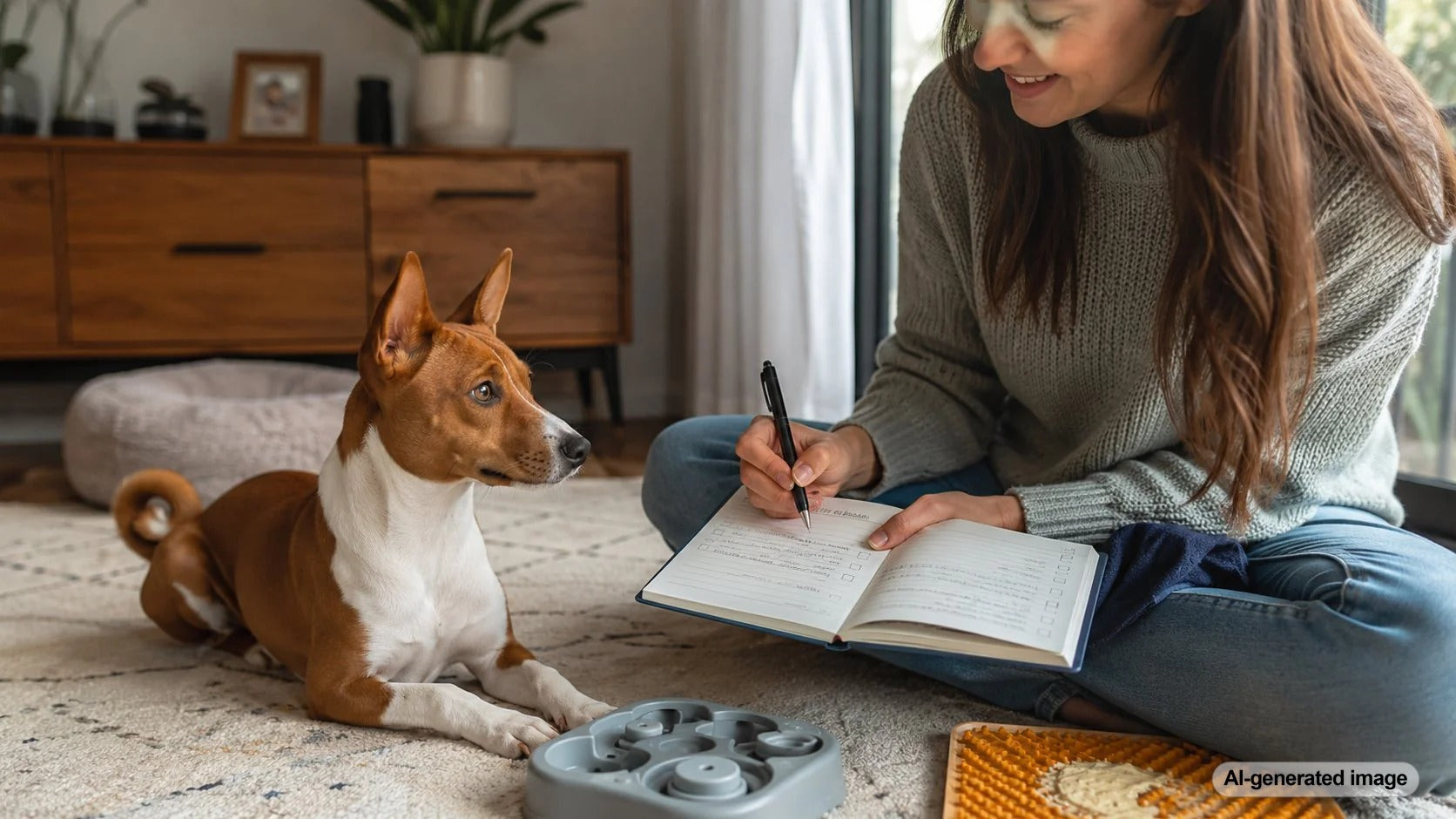
Weekends can sound like the perfect time to give your dog more fun, more exercise, and more attention. Then Saturday arrives, errands pile up, laundry stares at you, and your dog is still looking at you like you personally canceled fun. How to Build a Weekend Enrichment Plan That Does Not Exhaust You starts with one simple idea: your dog does not need a nonstop entertainment schedule. They need a few thoughtful chances to sniff, lick, chew, forage, rest, and connect with you.
A strong weekend enrichment plan should make your home feel calmer, not busier. Instead of packing the day with long outings and complicated games, think in small repeatable blocks. A sniffy walk, a food puzzle, a chew session, and a quiet licking activity can often do more for your dog than one giant adventure that leaves both of you overstimulated.
Quick answer
Build a weekend enrichment plan by choosing one activity from each category: sniffing, licking, chewing, problem solving, movement, and rest. Keep sessions short, rotate easy options, prep one or two activities ahead of time, and watch your dog's body language so the weekend feels satisfying instead of exhausting.
Why weekend enrichment should not feel like a second job
Many dog parents hear the word enrichment and picture elaborate obstacle courses, frozen recipes, and hours of structured play. Real enrichment is much simpler. It gives dogs safe outlets for normal canine behaviors like sniffing, chewing, licking, searching, chasing, exploring, and problem solving.
The goal is not to tire your dog into a nap at all costs. A dog who is physically exhausted but mentally under-stimulated may still bark at windows, shred socks, counter surf, or pester you through dinner. A balanced plan mixes calm brain work with movement, then follows it with real downtime.
This matters even more for puppies, seniors, and power chewers. Puppies may need shorter sessions because their brains and bodies tire quickly. Senior dogs may love scent games and gentle licking activities even when long walks are too much. Power chewers often need durable, supervised chew options because flimsy toys can turn into a safety risk fast.
The low-effort weekend formula: 3 small wins per day
Instead of trying to plan every hour, aim for three enrichment wins on Saturday and three on Sunday. Each one can take 5 to 20 minutes of your active attention, with some activities continuing while your dog works independently under supervision.
Take a slower walk and let your dog investigate safe smells. This is not a power walk. Let the nose do some of the work.
Offer a safe chew, stuffed toy, or treat puzzle while you handle chores nearby.
Use a licking activity after dinner to help your dog transition from busy day to calm night.
This rhythm is flexible. If you have brunch plans, move the puzzle to morning. If it rains, swap the walk for indoor scent games. The plan works because it gives you a menu, not a rigid schedule.
Start with sniffing before you add more activity
A common mistake is assuming a bored dog always needs more running. Some dogs do need physical exercise, but many are craving information. Sniffing lets dogs gather details about their world, and it can be deeply satisfying without requiring you to jog three miles before coffee.
Try a 15-minute sniff walk where your only goal is to let your dog safely explore. Use a comfortable leash, avoid unsafe areas, and let your dog pause at trees, grass, and fence lines as long as they are not eating something questionable. For reactive dogs, choose quiet times or calm locations and ask a qualified trainer for help if walks cause lunging, panic, or intense stress.
Use licking and chewing as your built-in reset buttons
Licking and chewing can support a calmer routine because they give dogs something focused and repetitive to do. They are especially helpful after exciting events, before guests arrive, during your own downtime, or when your dog needs a job that does not require you to be the entertainment committee.
For easy licking enrichment, FlipMat can be part of a weekend plan because it works as both a lick mat and slow feeder with two challenge levels. Spread a dog-safe option thinly across the surface, start with the easier side if your dog is new to it, and supervise so your dog licks rather than chews the mat.
For dogs who love longer-lasting treat play, The Pupsicle can give them a satisfying activity while you fold laundry, answer emails, or enjoy a quiet Sunday morning. Match treat size and difficulty to your dog, and always inspect toys regularly for wear.
Make enrichment easier by prepping one small station before the weekend starts. Put a clean lick mat, a treat toy, a chew, and a few safe rewards in one bin. When your dog starts pacing or looking for trouble, you will not have to invent an activity from scratch.
Add one problem-solving game that does not require a shopping trip
You can create a simple brain game with things you already have. Scatter part of your dog's meal in a towel and loosely fold it so they have to sniff and nudge. Hide a few treats around one room while your dog waits behind a gate. Place kibble in a few muffin tin cups and cover some with tennis balls for a beginner puzzle.
Keep the first round easy. Dogs can get frustrated when a puzzle is too hard, especially puppies, seniors, or dogs who are new to enrichment. You want your dog thinking, not quitting. If they paw wildly, bark at the puzzle, or walk away, simplify it.
Plan for rest as if it counts, because it does
Enrichment without rest can create a dog who expects constant action. After each activity, build in a calm period. This might be crate time if your dog is crate-trained, a nap on their bed, a quiet chew beside you, or a relaxed stretch while you watch a show.
Some dogs need help learning that weekends are not all go, go, go. Use predictable cues like dimming lights, putting toys away, offering water, and settling into the same room. If your dog cannot relax, pants heavily at rest, seems painful, has sudden behavior changes, or shows signs of anxiety that interfere with daily life, check with your veterinarian or a qualified behavior professional.
A sample weekend enrichment plan
Use this as a starting point and adjust it for your dog's age, health, chewing style, and energy level.
Saturday morning: Take a 20-minute sniff walk, then let your dog nap. For puppies, split this into two shorter outings.
Saturday afternoon: Offer a supervised chew or puzzle while you do a household task. Keep it short for beginners and stop before your dog gets frustrated.
Saturday evening: Use a licking activity after dinner. This is a great time for calm enrichment, especially if your dog gets restless when the house slows down.
Sunday morning: Play a five-minute treat search game indoors, then do a casual walk or backyard sniff session.
Sunday afternoon: Rotate in a treat toy, slow feeder, or gentle training session with easy wins like touch, find it, or place.
Sunday evening: End with a low-energy routine: water, potty break, lick time, and a real rest period.
Supervise enrichment toys, chews, and food activities. Choose items that fit your dog's size and chewing style, remove damaged toys, and ask your veterinarian if your dog has dietary restrictions, dental pain, swallowing concerns, vomiting, diarrhea, allergies, or a sudden appetite change.
Common mistakes that make enrichment harder than it needs to be
The first mistake is doing too much on Saturday and nothing on Sunday. Dogs usually do better with smaller, predictable moments than one marathon day. The second mistake is choosing activities that are too difficult. A puzzle that looks impressive online may be frustrating for a beginner dog. The third mistake is forgetting cleanup. If an activity takes 30 minutes to prepare and 30 minutes to scrub, you probably will not repeat it.
Keep your plan boring in the best way. Repeat the activities that work. Rotate the toppings, locations, or difficulty level when your dog is ready. A routine your dog enjoys and you can actually maintain is far more valuable than a perfect plan you abandon after one weekend.
Dog Parent FAQs
How much enrichment does my dog need on the weekend?
Most dogs do well with a few short enrichment sessions spread through the day. Watch your dog's behavior, energy, and recovery time rather than chasing a specific number.
Can enrichment replace a walk?
Enrichment can support your dog's needs, but most dogs still benefit from appropriate movement, potty breaks, and outdoor sniffing. On bad weather days, indoor games can help fill the gap.
What if my dog finishes every activity too fast?
Start by making the activity slightly harder, not wildly complicated. Freeze a treat toy, use a slower surface, scatter food over a wider area, or split the session into two rounds.
How do I know if my dog is overstimulated?
Signs can include frantic grabbing, barking, refusing to settle, heavy panting when not hot, rougher play, or ignoring cues they usually know. Pause, offer water, reduce difficulty, and build in quiet time.
The bottom line on weekend enrichment
A weekend enrichment plan should give your dog more satisfying moments without draining every ounce of your energy. Choose a few simple activities, repeat what works, and balance excitement with rest. When your dog gets chances to sniff, lick, chew, search, move, and settle, the whole weekend can feel easier for both of you.


