






































































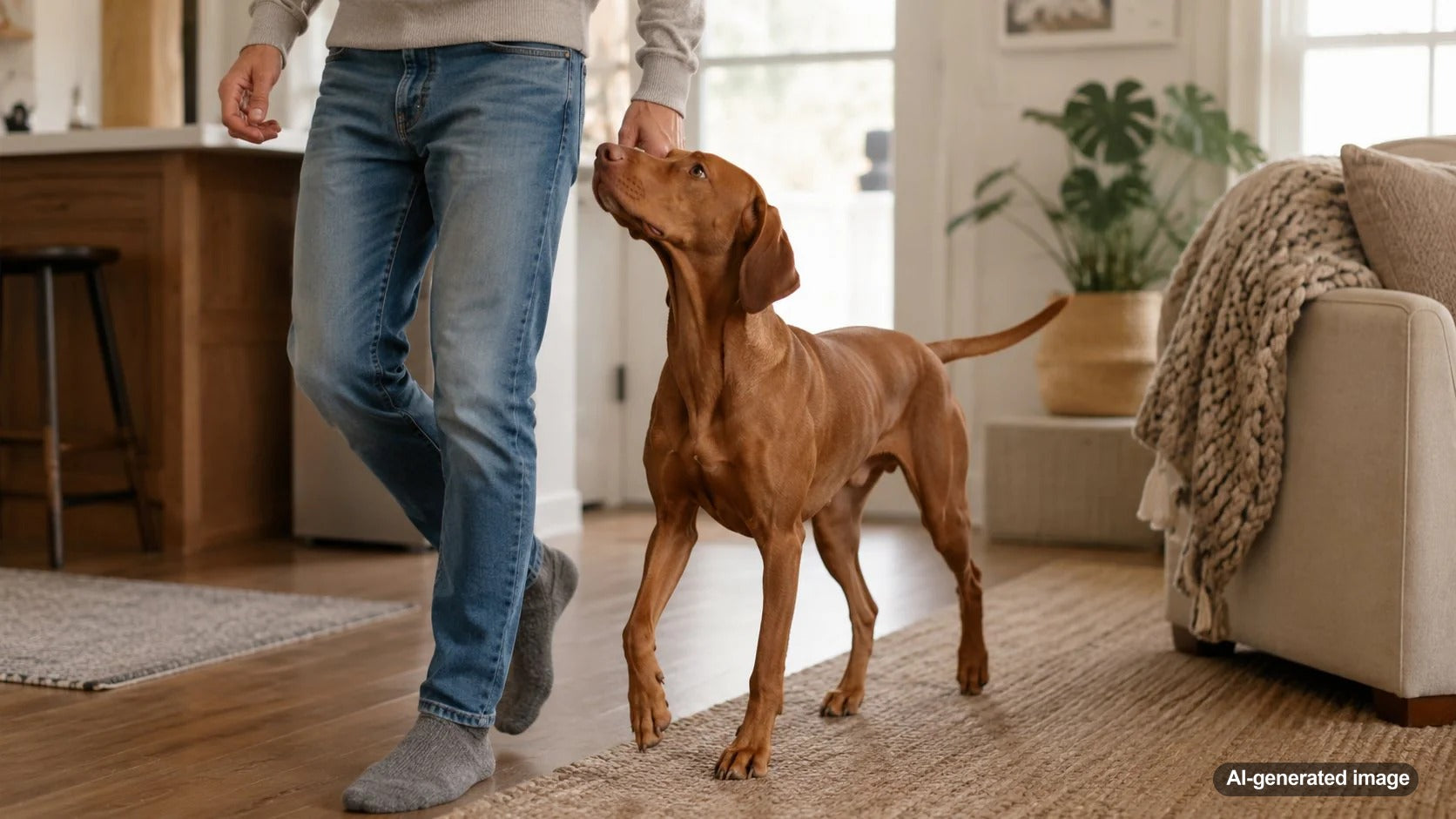
How Do You Tell If A Dog Is Attached To You? Usually, it shows up in small everyday moments: the soft eye contact from across the room, the happy body wiggle when you come home, the way your dog chooses to rest near you when nothing exciting is happening. A truly attached dog does not have to be glued to your leg every second. Often, the strongest bond looks calm, trusting, and comfortable.
Dogs are social animals, but every dog shows attachment differently. A bold, confident dog may check in and then go back to sniffing the yard. A sensitive rescue dog may stay close for reassurance. A puppy may follow you everywhere because the whole world still feels new. The goal is not to create a dog who cannot function without you, but to build a relationship where your dog sees you as safe, predictable, and worth coming back to.
Quick answer: A dog is likely attached to you if they seek your company, relax near you, check in during walks or play, respond to your voice, show joy when you return, and recover calmly after normal separations. Attachment becomes a concern when closeness turns into panic, destructive behavior, nonstop vocalizing, or physical distress when you leave.
Clear Signs Your Dog Is Attached To You
An attached dog often chooses proximity. That might mean curling up at your feet, leaning against your leg, sleeping in the same room, or quietly moving from room to room with you. Some dogs are cuddly. Others prefer to be nearby without being touched. Both can be signs of trust.
Another big clue is relaxed body language. A bonded dog may look at you with soft eyes, keep a loose mouth, wag with a wiggly body, or roll onto one hip while resting near you. This is different from tense staring, stiff posture, or frantic jumping. Healthy attachment usually feels easy, not desperate.
Your dog may also check in with you during exciting moments. On a walk, they might glance back after sniffing. At the dog park, they may run off and then return to touch base. During training, they may look to you for guidance. These little check-ins say, in dog language, you matter to me, and I want to know where you are.
Attachment Is Not Always Clinginess
Many dog parents assume a dog is most attached when the dog follows them constantly. Sometimes that is true. Other times, constant shadowing may come from habit, boredom, uncertainty, or anxiety. A dog can love you deeply and still nap in another room.
A secure dog usually has a balance of connection and independence. They enjoy being with you, but they can also settle with a chew, puzzle toy, nap spot, or safe routine. For example, a dog who follows you into the kitchen, receives a calm cue to go to their mat, and relaxes there is showing both attachment and confidence.
This is where enrichment can be helpful. Giving your dog something soothing and appropriate to do while you answer emails, cook dinner, or get ready to leave can support healthy independence. The Pupsicle is a long-lasting interactive treat toy that can be part of a calm routine when your dog needs a safe, engaging activity instead of hovering underfoot.
Signs Your Dog Feels Safe With You
Signs to watch for:
1. Your dog relaxes their body near you instead of staying tense or alert.
2. They seek comfort from you after a startling sound or unfamiliar situation.
3. They respond to your voice, name, or familiar cues.
4. They bring toys to you or invite you into play.
5. They rest near you during quiet times, not just when food is involved.
6. They show excitement when you return, then settle back down.
One underrated sign of attachment is recovery. Many dogs get excited when their person comes home. That is normal. But if your dog greets you, wiggles, maybe grabs a toy, and then relaxes, that points toward a secure bond. If your dog cannot calm down for a long time, pants heavily, drools, shakes, or seems panicked, there may be more going on than simple attachment.
When Attachment Looks Like Separation Stress
It is important to separate a loving bond from separation-related distress. A dog who loves being near you may whine for a minute when you leave the room but then settle. A dog with more serious separation stress may bark for long periods, scratch doors, chew exit points, pace, drool, soil indoors, refuse food, or become frantic as you pick up keys or put on shoes.
Behavior changes matter too. If a dog suddenly becomes clingy after being independent, consider what changed. Pain, illness, aging, vision or hearing changes, a new home, a schedule shift, or a stressful event can all affect behavior. If clinginess is sudden, intense, or paired with appetite changes, limping, vomiting, diarrhea, excessive drooling, house soiling, or signs of pain, ask your veterinarian for guidance.
Do not punish panic. If your dog is destroying items, barking, or having accidents because they are distressed when alone, punishment can make the fear worse. A veterinarian, certified trainer, or qualified behavior professional can help you build a safer plan.
How To Build A Stronger, Healthier Bond
The best bonds are built through predictable care, not nonstop attention. Feed your dog on a steady routine. Use kind, consistent training. Make walks about sniffing and connection, not just exercise. Notice when your dog needs rest. Reward calm behavior as much as cute excitement.
Short training games can also deepen attachment because they teach your dog that listening to you is fun and worthwhile. Practice simple cues like touch, come, place, or leave it in low-distraction moments. Keep sessions short, upbeat, and easy to win. For small rewards, Love Nuggets can be a helpful training treat when you want quick, bite-sized reinforcement without turning every practice session into a full meal.
Do not overlook calm togetherness. Sitting on the porch while your dog sniffs the breeze, giving a gentle ear scratch during a movie, or letting your dog rest near you while you work can all reinforce safety. Attachment does not always need a big activity. Sometimes your dog just wants to be part of your orbit.
Common Mistakes Dog Parents Make
One common mistake is assuming independence means a dog is not bonded. Some dogs are naturally more self-contained. They may love you deeply but prefer a bed across the room instead of a lap. Respecting that preference can actually strengthen trust.
Another mistake is rewarding frantic behavior without meaning to. If your dog panics every time you return and you immediately create a huge emotional reunion, the contrast between alone time and together time can feel even bigger. You do not have to ignore your dog. Just keep greetings warm but steady, then offer affection once their body starts to settle.
A third mistake is waiting until leaving the house to offer enrichment. Practice independent activities while you are still home. That teaches your dog that settling with a toy, lick mat, puzzle, or chew is normal, not a signal that you are disappearing.
Helpful habit: Try a daily five-minute independence practice. Set your dog up with a safe enrichment activity, step into another room briefly, return calmly, and end before your dog gets upset. Go slowly and keep it positive.
Dog Parent FAQs
Does my dog following me everywhere mean they love me?
It can mean your dog enjoys your company, but it can also come from boredom, habit, anxiety, or curiosity. Look at the whole picture: relaxed body language, ability to settle, and calm recovery after short separations are better clues.
Why does my dog stare at me?
Soft, relaxed eye contact can be a sign of connection. Hard staring, a stiff body, or guarding behavior is different and may need management or professional guidance.
Can my dog be attached to more than one person?
Yes. Many dogs form strong bonds with multiple family members. They may seek different people for different needs, such as play, walks, comfort, or bedtime routines.
Is it bad if my dog does not like cuddling?
No. Some dogs are affectionate without being physically cuddly. Sitting nearby, checking in, playing with you, or relaxing in your presence can all show attachment.
When should I worry about my dog's attachment?
Reach out to a veterinarian or qualified behavior professional if your dog panics when alone, destroys doors or crates, barks for long periods, soils indoors, drools heavily, refuses food, or suddenly becomes much clingier than usual.
The Bottom Line On Dog Attachment
A dog who is attached to you will usually show it through trust, comfort, check-ins, joyful greetings, and a desire to share space with you. The healthiest bond gives your dog both connection and confidence. Your dog should know you are their safe person, while also learning that quiet moments, independent play, and short separations can be okay too.
Pay attention to your dog's patterns, not just one cute behavior. When closeness feels relaxed, responsive, and happy, you are probably looking at a strong bond. When closeness looks frantic or fearful, slow down and get support. Either way, your dog is communicating, and listening is one of the best ways to love them back.


