






































































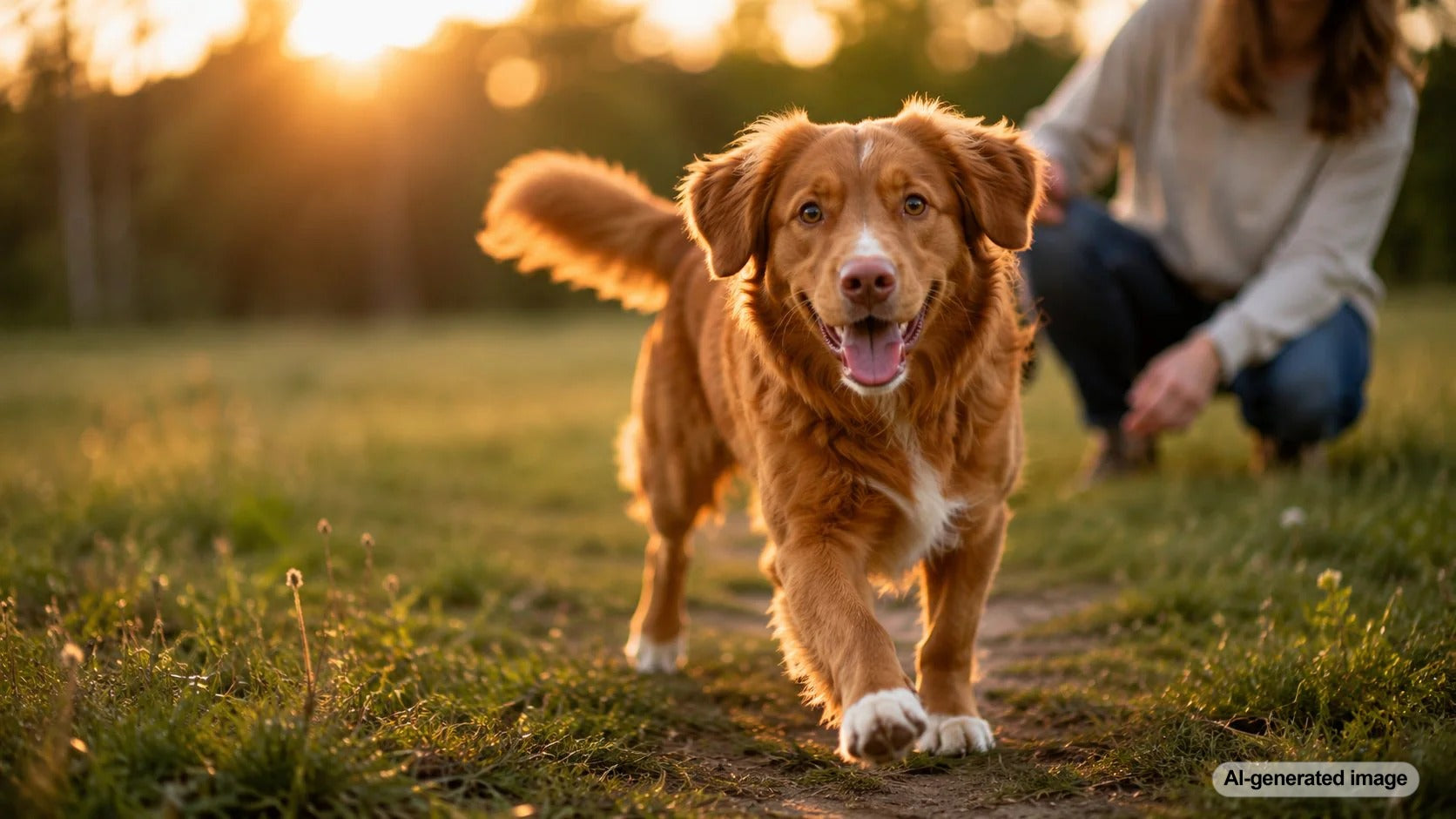
When your dog seems less excited, less playful, or just not like themselves, it can tug hard at your heart. The honest answer to "How Do I Make My Dog Happy Again?" is to start by figuring out what changed, rule out discomfort or illness, and rebuild their day with small, predictable moments of joy. Dogs do not need a perfect life to feel happy, but they do need safety, routine, connection, movement, rest, and outlets for natural behaviors like sniffing, licking, chewing, chasing, and solving little problems.
A sad-looking dog is not always depressed. Sometimes a dog is bored, overtired, sore, anxious after a schedule change, missing a favorite person, frustrated by too little exercise, or simply aging into different preferences. Your job is not to force instant happiness. It is to become a better detective and gently offer the right kind of support.
Start With The Most Important Question: Is Something Physically Wrong?
Dogs are very good at acting "fine" when something hurts. A dog who suddenly stops greeting you at the door, avoids stairs, loses interest in toys, growls when touched, sleeps more than usual, or skips meals may be uncomfortable rather than unhappy. Pain can show up as stiffness after naps, reluctance to jump into the car, heavy panting at rest, licking one spot, or avoiding activities they used to love.
This matters especially for senior dogs, large breeds, athletic dogs, and dogs who recently played hard, traveled, boarded, or had a stressful event. Puppies can also crash emotionally when they are overtired, teething, or overwhelmed. If the change is sudden, intense, or paired with physical symptoms, check with your veterinarian. Enrichment is wonderful, but it should never replace medical care when your dog may be sick or in pain.
Look For The Change That Started The Shift
Dogs notice patterns. A new work schedule, moving homes, a baby arriving, another pet passing away, a favorite family member leaving for college, fewer walks during bad weather, or even a change in feeding time can affect them. Some dogs respond by becoming clingy. Others get quiet, destructive, picky, or restless.
Make a quick list of what changed in the last few days or weeks. Did walks get shorter? Did your dog lose dog-park time? Has there been more tension at home? Did you swap food, treats, bedding, or walking routes? You do not need to fix everything at once. Pick one or two routines your dog can count on every day, then build from there.
Give Your Dog A Happiness Reset Routine
Most dogs do best with a simple rhythm: movement, sniffing, food or treat enrichment, rest, and connection. The goal is not to exhaust your dog. It is to give their brain and body satisfying jobs throughout the day.
Take a decompression walk where your dog can sniff instead of marching the whole time. Sniffing is mentally rich and can help many dogs settle afterward.
Offer a calm food puzzle, lick mat, chew, or training game. Keep it easy at first so your dog wins quickly.
Do a short play session, a few reward-based cues, or a gentle walk. End with quiet time so excitement does not turn into restlessness.
For small dogs, indoor games and short sniff walks may be enough to make a big difference. For high-drive dogs, add structured training, fetch with breaks, tug with rules, or longer scent games. For seniors, choose softer movement, gentle sniffing, and easier enrichment that does not require awkward bending or intense chewing.
Use Enrichment To Bring Back Curiosity
One of the fastest ways to make a bored dog feel brighter is to let them use their natural skills. Dogs were not built to sit around waiting for us all day. Licking, chewing, sniffing, foraging, and problem-solving can help turn restless energy into focused activity.
If your dog has been mopey, start with low-pressure enrichment. A lick routine can be especially useful for dogs who need calm engagement rather than wild play. The FlipMat is a dual-sided lick mat and slow feeder that can make snack time more interesting while encouraging slower, focused licking. For dogs who need a longer-lasting distraction, The Pupsicle can turn treat time into a simple interactive activity that keeps them busy without requiring complicated setup.
Bring Back Play, But Let Your Dog Choose The Style
Not every happy dog plays the same way. Some dogs want fetch. Some prefer tug. Some want to chase you around the yard for thirty seconds and then nap like they worked a double shift. Others show happiness through sniffing, carrying a toy, leaning against you, or rolling on the rug.
Try a "menu" of short activities instead of one big play session. Offer five minutes of tug, a scatter of treats in the grass, a toy search around the room, a gentle brushing session, or a calm training game with easy wins. Watch your dog's body language. A happy dog often has loose movement, soft eyes, a relaxed mouth, playful bows, or eager re-engagement. A stressed dog may turn away, freeze, yawn repeatedly, lick lips, tuck the tail, or leave the area.
Do Not Accidentally Reward The Rut
It is natural to worry over a dog who seems sad, but constant anxious attention can sometimes make the moment feel heavier. Instead of hovering, create confident invitations: "Want to go sniff?" "Want to find it?" "Want your mat?" Keep your tone warm and normal.
Reward tiny sparks of engagement. If your dog picks up a toy, mark it with praise. If they follow you to the door, offer a short walk. If they show interest in a lick mat, let that become part of the routine. These little repetitions help your dog relearn that the day has good things in it.
Match The Plan To Your Dog's Age And Personality
Puppies: Happiness often depends on sleep, safe chewing, predictable potty breaks, and short training games. A cranky puppy may simply be overtired.
Adult dogs: Many adult dogs need a better balance of exercise and mental work. A walk alone may not be enough if there is no sniffing, chewing, licking, or problem-solving.
Senior dogs: Happiness may look quieter. Think soft bedding, gentle movement, easy food enrichment, pain checks, and routines that protect confidence.
Power chewers: Choose durable, size-appropriate chewing options and supervise. Chewing can be satisfying, but safety comes first.
When To Get Extra Help
Call your veterinarian if your dog has a sudden or major behavior change, stops eating, loses weight, limps, pants heavily at rest, hides, seems painful, vomits, has diarrhea, drools excessively, shows swelling, or becomes unusually irritable or aggressive. If your vet rules out medical issues and your dog still seems anxious, fearful, or withdrawn, a qualified positive-reinforcement trainer or veterinary behavior professional can help you build a more specific plan.
Also get help if your dog cannot be left alone, destroys doors or crates, injures themselves, refuses walks, or seems panicked rather than simply bored. Those dogs deserve support that goes beyond extra toys.
Dog Parent FAQs
Can dogs really feel sad?
Dogs can show mood and behavior changes that look like sadness, especially after stress, loss, routine changes, boredom, or discomfort. Because medical problems can look similar, it is smart to rule out health issues if the change is new or concerning.
How long does it take for a dog to seem happy again?
It depends on the cause. Some dogs perk up after a few days of better routine and enrichment, while others need more time, veterinary care, training support, or help adjusting to a major life change.
What is one thing I can do today?
Take your dog on a slow sniff walk, then offer an easy enrichment activity afterward. Keep it simple, positive, and low pressure so your dog can enjoy a quick win.
Should I get another dog to make my dog happy?
Not as a first step. Some dogs love canine friends, but another dog can also add stress. Focus on your current dog's health, routine, and enrichment first, then consider compatibility carefully.
A Happier Dog Usually Starts With A Better Daily Rhythm
Helping your dog feel happy again is not about one magic treat, one extra-long walk, or forcing excitement. It is about noticing what your dog is telling you, checking for discomfort, and rebuilding the day with small, repeatable moments that feel safe and fun. Start with health, add routine, give your dog natural outlets, and celebrate the little signs of joy as they come back.


