



































































Dogs with spotted bellies can look as though someone gently dotted their skin with a paintbrush. These spots are often completely normal areas of pigmentation, even when the dog's coat is a single solid color. The important question is not simply whether spots are present, but whether they have always been there and whether the surrounding skin looks and feels healthy.
A dog's belly has thinner, more exposed hair than most of the body, making natural skin patterns easier to see. Some puppies develop more visible spots as they mature, while other dogs seem to collect darker freckles gradually with age. Still, a new patch that appears alongside itching, redness, odor, thickened skin, or hair loss deserves a closer look.
Why Do Some Dogs Have Spotted Bellies?
Skin color in dogs comes from melanin, the natural pigment that also helps determine coat, nose, eye-rim, and paw-pad color. Melanin is not always distributed evenly. A dog may have pink skin in one area, dark patches in another, and tiny freckles scattered across the abdomen.
The pattern does not need to match the fur above it. A cream, white, tan, or black dog can have a surprisingly speckled belly beneath an otherwise solid coat. Some spots are visible from puppyhood, while others become more noticeable as the dog's pigment develops or the belly hair becomes thinner.
Normal pigmentation is generally flat and part of the skin itself. It should not wipe away, bleed, ooze, or cause discomfort. Your dog should be able to nap, walk, play, and accept a gentle belly rub without repeatedly trying to scratch or lick the area.
Normal Pigment Versus a Possible Skin Problem
Color alone does not tell the whole story. Texture, timing, and your dog's behavior provide better clues.
- Are flat and smooth
- Have been present for months or years
- Change slowly as a puppy grows or an adult ages
- Do not itch, hurt, smell, crust, or ooze
- Are surrounded by otherwise calm, healthy-looking skin
A rash usually looks more irritated than ordinary pigment. It may include bright red dots, bumps, flaky areas, scabs, moisture, swelling, or hair loss. Dogs with uncomfortable skin often lick the belly, scratch with a hind foot, scoot across rugs, or resist being touched.
Darkening can also develop after repeated inflammation or friction. Instead of neat freckles, the skin may become broadly darker, thicker, rougher, or almost leathery. Allergies, yeast or bacterial overgrowth, parasites, and persistent licking are among the issues a veterinarian may consider. The discoloration itself is a clue, not a diagnosis.
Common Things Owners Mistake for Belly Spots
Nipples
Male and female dogs both have nipples, and they are often arranged in two rows along the underside. They may be pink, brown, black, or a mix of colors. A nipple can be mistaken for a mole or tick, especially on a fluffy dog. Contact your veterinarian if one becomes enlarged, painful, ulcerated, unusually firm, or starts producing discharge.
Flea dirt
Flea dirt can resemble tiny black pepper flakes, but it sits on top of the skin or coat rather than within the skin. It may come off on a damp white paper towel and leave a reddish-brown smear. Visible debris, frequent scratching, or signs of fleas should prompt a conversation with your veterinarian about appropriate parasite control.
Scabs and clogged follicles
Small crusts, pimples, or clogged hair follicles can look like dark freckles at first glance. Run a fingertip gently over the area. Natural pigment should feel like the surrounding skin, while a scab, bump, or clogged follicle may feel rough or raised. Do not squeeze, scrape, or pick at it.
Dirt or staining
Dogs that lounge in soil, grass, or dusty spaces can develop temporary marks. Wipe the area gently with a soft, damp cloth. Avoid vigorous scrubbing or applying human skincare products, alcohol, essential oils, or medicated creams unless your veterinarian specifically recommends them.
How to Check Your Dog's Belly at Home
A monthly nose-to-tail check makes it easier to learn what is normal for your dog. Choose a relaxed time and use bright, natural light. Part the belly fur gently and look around the groin, inner thighs, armpits, and skin folds.
Notice the color, borders, size, and texture of existing spots. Taking a clear photo with a coin or ruler nearby can help you compare an area later. Keep the comparison photos private and dated so you can show your veterinarian an accurate timeline if something changes.
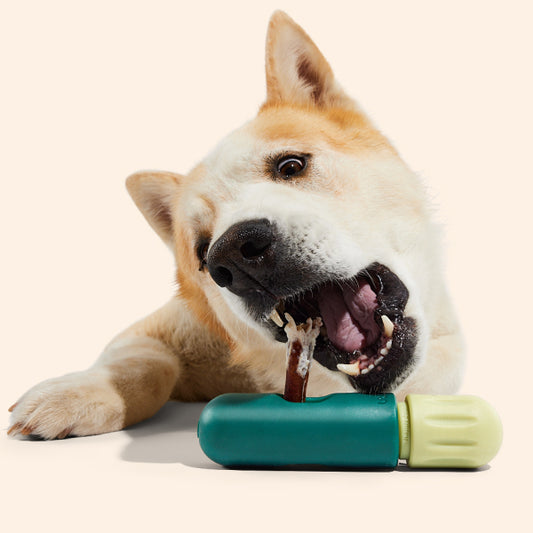
Dogs who dislike handling may cooperate better when the inspection is paired with a calm distraction. A filled The Pupsicle can keep many dogs happily engaged while you perform a brief visual check, provided your dog is supervised and comfortable. Stop if your dog becomes tense, tries to escape, guards the treat, or shows pain.
When Should Spotted Skin Be Checked by a Veterinarian?
Schedule a veterinary appointment when spots are new, rapidly spreading, raised, irregular, or accompanied by a noticeable change in texture. You should also seek guidance if your dog has persistent itching, licking, redness, hair loss, greasy skin, odor, crusting, sores, swelling, or discharge.
A veterinarian should also evaluate unexplained skin changes that occur with appetite changes, low energy, increased thirst, weight changes, vomiting, diarrhea, or other signs of illness. Several skin conditions can look similar at home, and successful care depends on identifying the underlying cause rather than treating color alone.
Do not try to lighten dark spots or cover them with cosmetic products. Avoid using leftover antibiotics, antifungal creams, steroid creams, or human acne treatments. Dogs can lick topical products, and the wrong treatment may irritate the skin or make the true cause harder to identify.
Dog Parent FAQs
Are black spots on a dog's belly normal?
They often are. Flat, smooth spots that have been present for a long time and do not bother your dog are commonly natural pigmentation.
Why is my puppy developing more belly spots?
Pigmentation can become more noticeable as a puppy grows. Mention sudden, inflamed, raised, or itchy changes to your veterinarian.
Can a solid-colored dog have spotted skin?
Yes. Coat color and skin pattern do not always match, so a dog with solid fur may have pink, brown, gray, or black patches underneath.
Do belly spots mean my dog has allergies?
Not by themselves. Allergies are more likely when discoloration occurs with itching, licking, redness, recurring ear trouble, hair loss, or irritated paws.
Should I put lotion on my dog's spotted belly?
Not without veterinary guidance. Human lotions may contain fragrances, medications, or other ingredients that can irritate dogs or be unsafe when licked.
Love the Spots, Watch for Changes
For many dogs, a speckled belly is simply part of what makes them unique. Learn your dog's normal pattern, check the skin occasionally, and focus on changes in texture, comfort, and behavior rather than color alone. When something looks new or your dog seems uncomfortable, a veterinarian can help separate an innocent freckle from a skin issue that needs attention.


