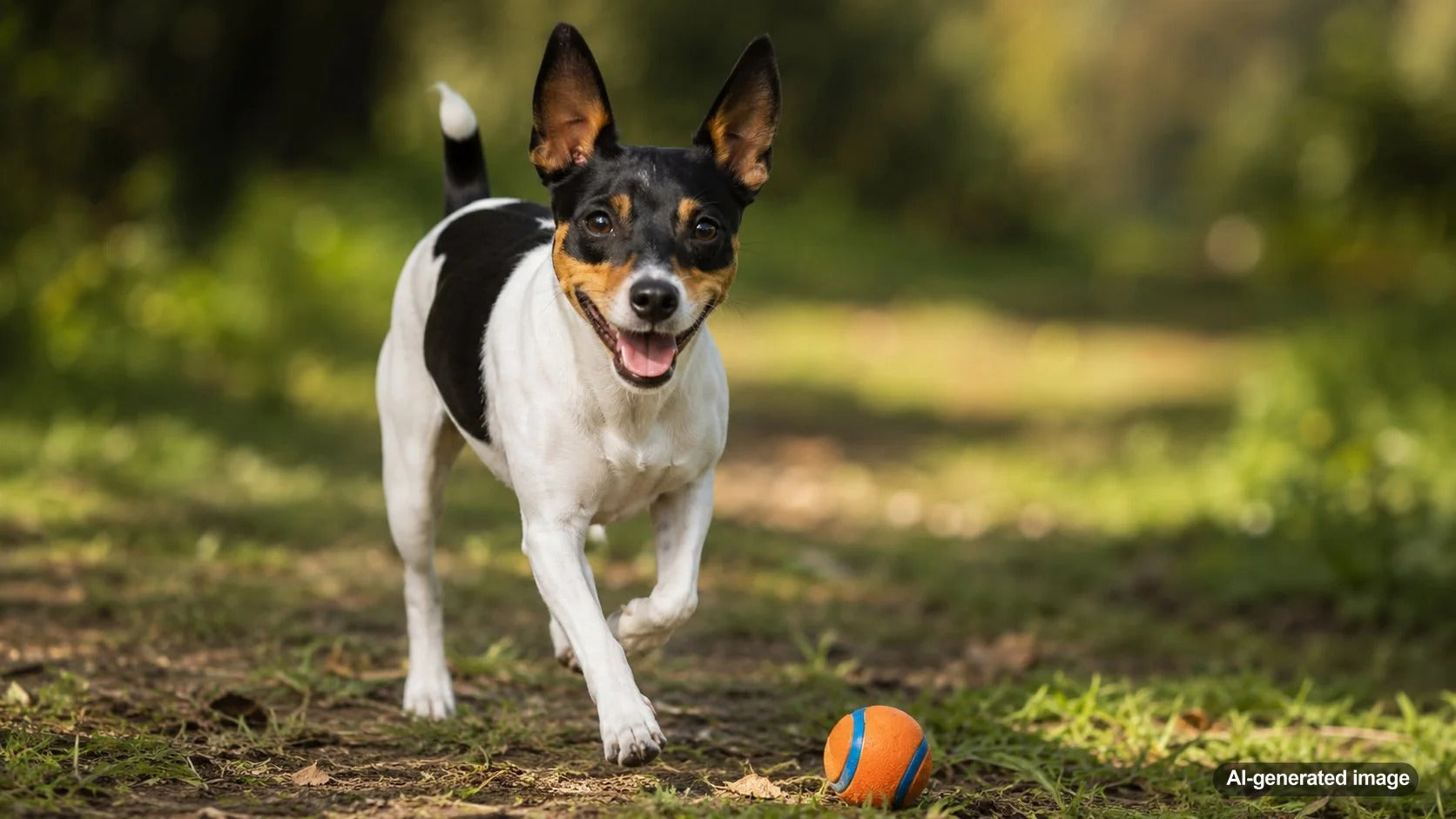
Small dog, giant personality. That is the Toy Fox Terrier in a nutshell, and it is exactly why this breed has such a devoted fan club. In this Dog Breed Profile: Toy Fox Terrier guide, we are looking at what makes these bright, athletic little dogs so charming, what daily life with one can really feel like, and how to keep their busy brains and quick paws happily engaged.
The Toy Fox Terrier is a true terrier in a toy-sized package. These dogs are typically alert, clever, loyal, playful, and bold, with a short smooth coat, upright ears, and a confident expression that often says, yes, I know exactly what is going on here. They can fit beautifully into apartment life or a smaller home, but they are not couch decorations. A Toy Fox Terrier usually needs daily movement, training games, and mental enrichment to stay satisfied.
Toy Fox Terriers are small, spirited companion dogs with terrier roots. They are usually affectionate with their people, quick to learn, watchful around the home, and energetic enough to need more than a quick potty break. Their small size makes them portable, but their brain needs real work.
What Is a Toy Fox Terrier Like?
The Toy Fox Terrier was developed in the United States from Smooth Fox Terrier roots, with toy breed influence that helped create a smaller companion while keeping plenty of terrier spark. That history matters because it explains a lot about the breed. Many Toy Fox Terriers still have the quick reactions, curiosity, prey drive, and confidence of a working terrier, wrapped in a dog small enough to curl up in your lap.
In real life, that can look like a dog who wants to snuggle under a blanket one minute and chase a leaf across the yard the next. They often bond closely with their families and may act like little household supervisors, noticing every sound at the door, every squirrel at the window, and every snack bag opened in the kitchen.
Size, Coat, and Everyday Care
Toy Fox Terriers are small dogs, often weighing only a few pounds and standing under a foot tall at the shoulder. Their coat is short, smooth, and relatively easy to maintain, so grooming is usually simple compared with long-coated breeds. A soft brushing, regular nail trims, ear checks, and routine dental care can go a long way.
Do not let the easy coat fool you into thinking this is a low-effort breed overall. Their body may be tiny, but their energy and opinions are not. Because they are small and athletic, they can be sensitive to rough handling, big jumps from furniture, or play with much larger dogs. Families with children should teach gentle handling, calm greetings, and respectful space.
Temperament: Smart, Loyal, and Very Aware
Toy Fox Terriers are often described as intelligent, trainable, and lively. They can be excellent trick dogs because they enjoy attention, pattern recognition, and earning rewards. They may also be vocal if they are bored, overstimulated, under-exercised, or allowed to practice alert barking without guidance.
One common misunderstanding is assuming a tiny dog does not need training. A Toy Fox Terrier may be small enough to pick up, but training still matters. Teaching cues like settle, place, leave it, touch, and come can help channel that terrier brain into something useful. Short sessions work best. Think three to five minutes of focused fun, repeated throughout the day, instead of one long lecture.
Exercise and Enrichment Needs
A Toy Fox Terrier does not need marathon exercise, but most do need daily outlets. A brisk walk, a training game, a sniff session, and a puzzle-style feeding routine can help prevent boredom behaviors like barking, chewing the wrong things, pestering other pets, or sprinting laps through the house at bedtime.
Because this breed can be fast, curious, and prey-driven, leash safety is important. A squirrel, bird, or blowing leaf can flip the switch from calm companion to tiny rocket. Secure yards, well-fitted gear, and reliable recall practice are helpful, but even well-trained dogs should be supervised outdoors.
For a Toy Fox Terrier, enrichment does not have to mean exhausting your dog. Rotate activities: one day try a sniffy walk, another day use a food puzzle, another day practice tricks, and another day offer a calm licking routine after exercise. Variety keeps smart dogs engaged without turning every day into a circus.
Training a Toy Fox Terrier
Training a Toy Fox Terrier is usually most successful when it feels upbeat, clear, and rewarding. These dogs often learn quickly, but quick learners can also learn unwanted habits quickly. If barking at the window gets attention every time, that can become a hobby. If jumping on guests works, they may repeat it with impressive confidence.
Use small, tasty rewards and focus on what you want your dog to do instead. For example, reward four paws on the floor before greeting, a quiet look toward the door after a sound, or a quick recall away from the window. For tiny dogs, treat size matters. Bite-sized rewards like Love Nuggets can be useful for fast, frequent training moments without turning practice into a full meal.
Best Home Fit for a Toy Fox Terrier
| Great fit | May need extra planning |
|---|---|
| Owners who enjoy training, play, and interactive routines. | Homes where the dog will be left bored for long stretches without enrichment. |
| Apartments or smaller homes with daily walks and brain games. | Homes with shared walls if alert barking is not addressed early. |
| Adults, seniors, or families with gentle older children. | Very young children who may accidentally handle a tiny dog too roughly. |
| People who want a small dog with confidence and personality. | Homes with small pets that could trigger terrier chase instincts. |
Chewing, Dental Care, and Small-Dog Habits
Small dogs can be prone to dental buildup, and Toy Fox Terriers are no exception. Daily tooth brushing is ideal, but many dog parents need help making dental routines feel less like a battle. Chewing and dental play can support the routine, as long as the item is appropriate for your dog's size, chewing style, and supervision needs.
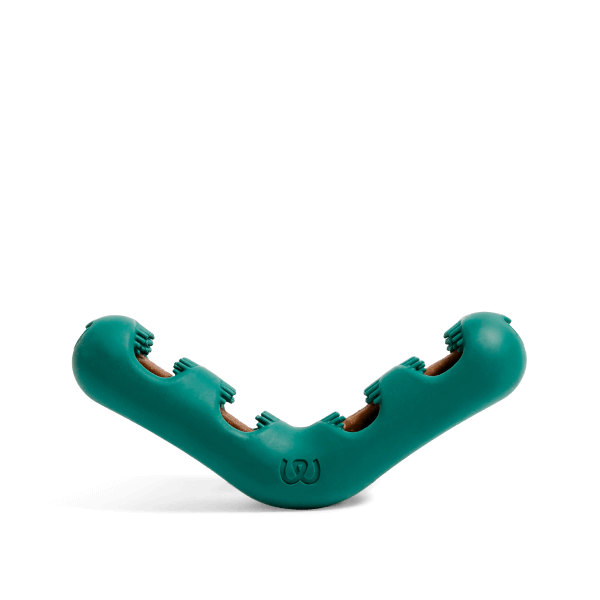
For dogs who enjoy interactive chewing, The Bite n' Brush can be part of a more engaging dental-care habit. It is a reusable dental chew toy designed to make teeth-focused play more fun. Always supervise chew time, choose the right size, and ask your veterinarian if you notice bad breath, bleeding gums, loose teeth, pawing at the mouth, drooling, or sudden changes in eating.
Food, Treats, and Weight Awareness
Because Toy Fox Terriers are so small, extra calories add up quickly. A few big treats for a larger dog may be a lot for a toy breed. Use tiny rewards during training, measure meals, and keep an eye on body condition. You should be able to feel your dog's ribs without pressing hard, but your vet can help you understand what a healthy weight looks like for your specific dog.
Slow feeding and puzzle feeding can be helpful for dogs who inhale meals or seem restless after eating. For small dogs, make the challenge fair. If a puzzle is too difficult, your dog may get frustrated and quit. Start easy, celebrate success, then increase the challenge gradually.
Health Notes to Keep in Mind
Toy Fox Terriers are generally lively, long-lived little dogs, but every breed has care considerations. Small dogs may need extra attention to dental care, weight management, joint comfort, and safe handling. Some may also be sensitive to cold weather because of their short coat and small body size.
Contact your veterinarian if you notice limping, coughing, appetite changes, vomiting, diarrhea, skin irritation, excessive itching, sudden behavior changes, dental pain signs, or any symptom that feels unusual for your dog. Breed guides are helpful, but they cannot replace medical advice from a veterinarian who knows your dog.
The Toy Fox Terrier is best for someone who wants a small dog with sparkle, speed, affection, and brains. Give them structure, kind training, safe outlets for chewing and sniffing, and plenty of ways to use their mind, and you are much more likely to see their charming side shine.
Dog Parent FAQs
Are Toy Fox Terriers good apartment dogs?
Yes, many Toy Fox Terriers can do well in apartments because of their small size, but they still need daily walks, training, and enrichment. Barking should be managed early with calm, consistent training.
Do Toy Fox Terriers need a lot of exercise?
They need moderate daily activity and plenty of mental stimulation. A short walk alone may not be enough for a bright, energetic Toy Fox Terrier, so add training games, sniffing, puzzle play, and calm enrichment.
Are Toy Fox Terriers good with kids?
They can be good with respectful children, especially older kids who understand gentle handling. Because Toy Fox Terriers are small and lively, supervision is important around young children.
Do Toy Fox Terriers bark a lot?
Some can be alert barkers because they are watchful and quick to notice changes. Teaching quiet cues, rewarding calm behavior, and giving them enough enrichment can help reduce unnecessary barking.
Are Toy Fox Terriers easy to train?
Many are very trainable because they are smart and eager to engage. Keep sessions short, positive, and reward-based, and be consistent so they do not invent their own rules.