






































































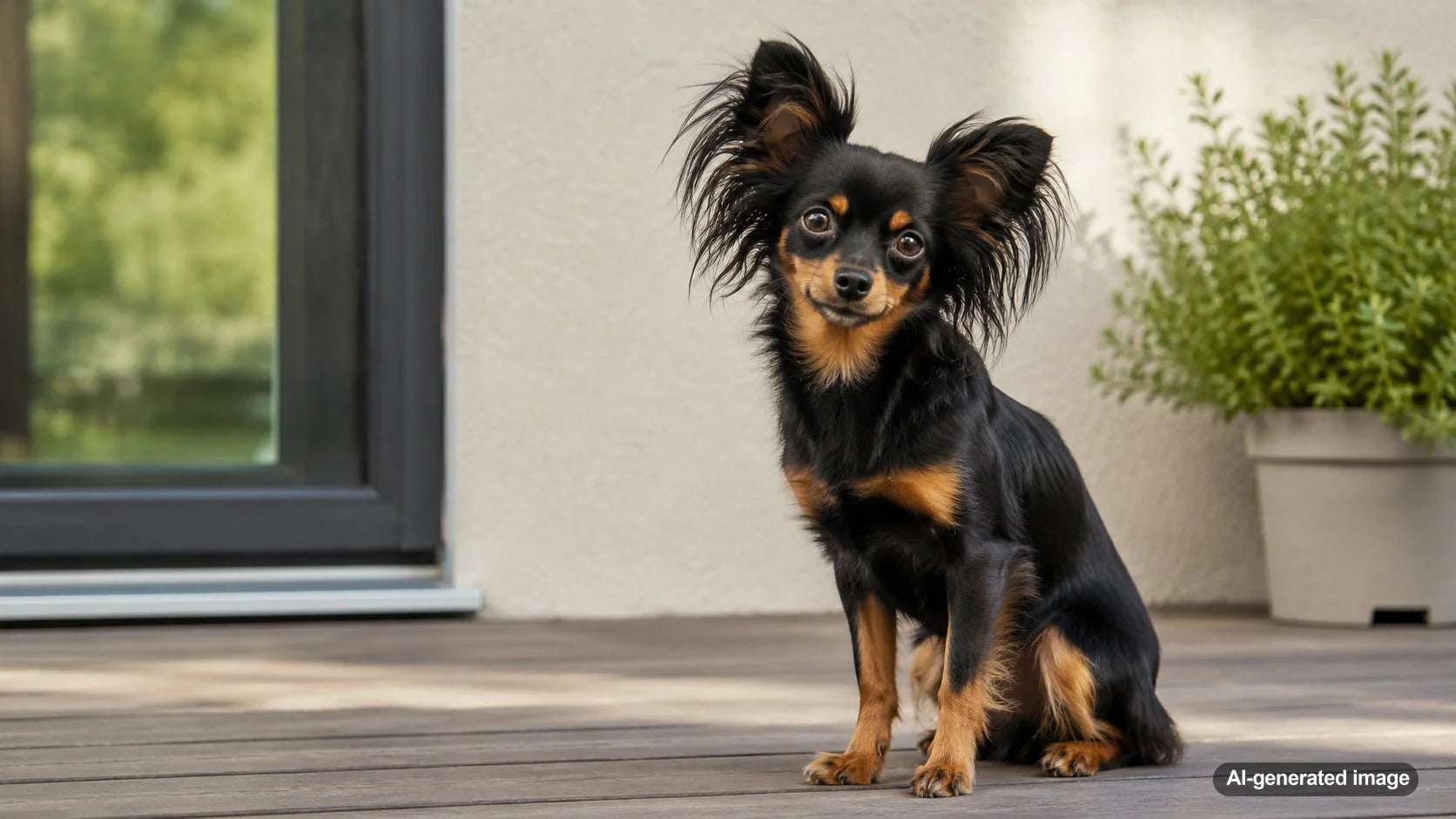
The Russian Toy may be tiny, but this little dog often walks through life like a much larger companion in a pocket-sized body. Elegant, alert, affectionate, and full of spark, the breed is known for bonding closely with its people while still bringing a playful, terrier-like confidence to the home. In this Dog Breed Profile: Russian Toy, we will look at what makes this rare toy breed special, what kind of owner they usually fit best, and how to build daily routines that support their busy little brains and delicate bodies.
Russian Toys are one of the smallest companion breeds, typically weighing only a few pounds and standing under a foot tall. They come in two coat varieties: smooth coat and long coat, with the long-coated dogs known for pretty feathering around the ears, legs, and tail. Their small size makes them appealing for apartment living, but they are not couch decorations. Many are bright, lively, vocal, and very tuned in to what their humans are doing.
Quick answer: The Russian Toy is a tiny, affectionate, energetic companion dog from Russia. They are usually best for attentive owners, calm households, and families with older children who understand gentle handling. They need positive training, early socialization, careful dental care, light daily exercise, and safe enrichment that matches their small size.
Russian Toy Breed Overview
| Trait | What to Know |
|---|---|
| Size | Very small toy breed, often around 3 to 6 pounds |
| Coat | Smooth coat or long coat |
| Personality | Affectionate, alert, lively, loyal, and often vocal |
| Best for | Gentle owners, apartment homes, adults, and families with older kids |
| Care focus | Socialization, dental routines, safe handling, and daily enrichment |
The Russian Toy was developed as a small companion dog with roots tied to English Toy Terriers that became popular in Russia. While they look delicate, they often have an animated, confident personality. A Russian Toy may happily nap in your lap, then pop up to investigate every sound in the hallway.
Temperament: Small Dog, Big Feelings
A well-socialized Russian Toy is usually affectionate with family and watchful around strangers. They often love being close to their people and may follow from room to room like a tiny shadow. Because they are alert and sensitive, they can become barky if every noise, visitor, or delivery feels like a major event.
The key is not to treat barking as a personality flaw. For many Russian Toys, barking is communication, excitement, uncertainty, or a little watchdog instinct packed into a tiny frame. Calm exposure to normal household sounds, rewarding quiet behavior, and giving them something appropriate to do can help them learn that not every sound needs a full announcement.
Exercise and Enrichment Needs
Russian Toys do not need marathon exercise, but they do need regular movement and mental stimulation. Short walks, gentle indoor play, trick training, and sniffing games can go a long way. Because of their fine bones and small size, rough play with large dogs, high jumps from furniture, and chaotic handling can be risky.
For daily enrichment, think small, safe, and repeatable. A few minutes of training, a puzzle-style feeding moment, or a lick-based calming routine can help satisfy their brain without overwhelming their body. For petite dogs, the FlipMat Mini can be a useful option for slower licking, travel days, and quiet enrichment sessions when you want to help your dog settle without turning the house into a play arena.
Helpful tip: Keep enrichment sessions short at first. Tiny dogs can get tired, full, or frustrated faster than larger dogs. Start easy, supervise, and adjust the challenge as your dog gets more confident.
Training a Russian Toy
Russian Toys are often intelligent and responsive, but their small size can accidentally work against them. It is easy to excuse jumping, barking, nipping, or pushy behavior because the dog is tiny. The problem is that little habits can become big daily frustrations if they are never guided.
Use positive reinforcement, short sessions, and tiny rewards. Teach practical cues like come, place, leave it, quiet, and wait. These are especially useful for a dog who may be quick, curious, and eager to react to movement or sound. Bite-sized training treats such as Love Nuggets can fit naturally into reward-based sessions, especially when you are practicing calm greetings, carrier training, or polite leash behavior.
Grooming and Coat Care
Smooth-coated Russian Toys are usually simple to groom with regular brushing or wiping to remove loose hair. Long-coated Russian Toys need more attention, especially around the ear fringe, legs, and tail where tangles can form. Their coat is still manageable compared with many long-coated breeds, but consistency matters.
Nails deserve special attention. Tiny dogs often do not wear down their nails as quickly, especially if they spend a lot of time indoors or on soft surfaces. Long nails can affect comfort and movement, so regular trims or gentle filing can help keep their feet in better shape.
Health and Safety Considerations
Russian Toys are delicate dogs, so safe handling should be part of everyday life. Teach children to sit on the floor before holding the dog, support the chest and rear when lifting, and avoid letting the dog leap from beds, couches, or arms. Stairs, slippery floors, and crowded dog parks may also need extra thought.
Dental care is another big priority for many toy breeds. Small mouths can be prone to crowding, retained baby teeth, tartar buildup, and bad breath. A veterinarian can help monitor tooth development, gum health, and any signs of discomfort. At home, brushing, dental-safe chewing, and vet-approved routines can support better oral hygiene. If you notice drooling, pawing at the mouth, appetite changes, swelling, bleeding gums, or sudden bad breath, check with your veterinarian.
Is a Russian Toy Right for You?
A Russian Toy may be a lovely match if you want a small, affectionate companion who is lively, clever, and very connected to family life. They can do well in apartments, but they still need structure, training, and safe outlets for energy. They may not be the best fit for homes with very young children, rough play, or long stretches of alone time every day.
The ideal Russian Toy owner enjoys the details: gentle socialization, cozy routines, tiny treats, safe play, and learning what makes their dog feel secure. When those needs are met, this little breed can be charming, loyal, and wonderfully entertaining.
Dog Parent FAQs
Are Russian Toy dogs good apartment dogs?
Yes, many Russian Toys can do well in apartments because of their small size, but they still need daily activity, training, and help learning when to be quiet.
Do Russian Toy dogs bark a lot?
Some can be vocal because they are alert and responsive to their surroundings. Early training, socialization, and calm routines can help reduce unnecessary barking.
Are Russian Toys good with children?
They are usually better suited to adults or families with older children who understand gentle handling. Their tiny bodies can be injured by rough play or accidental drops.
Do Russian Toy dogs need a lot of grooming?
Smooth-coated Russian Toys need minimal grooming, while long-coated Russian Toys need more brushing around the ears, legs, and tail. All Russian Toys benefit from regular nail, dental, and ear care.
The Bottom Line on the Russian Toy
The Russian Toy is a tiny companion with a lively heart, a sharp mind, and a deep love for being near their people. They thrive when their owner respects both sides of the breed: the delicate body that needs protection and the bright personality that needs training, play, and enrichment. With thoughtful care, this little dog can bring a lot of joy into a very small space.


