






































































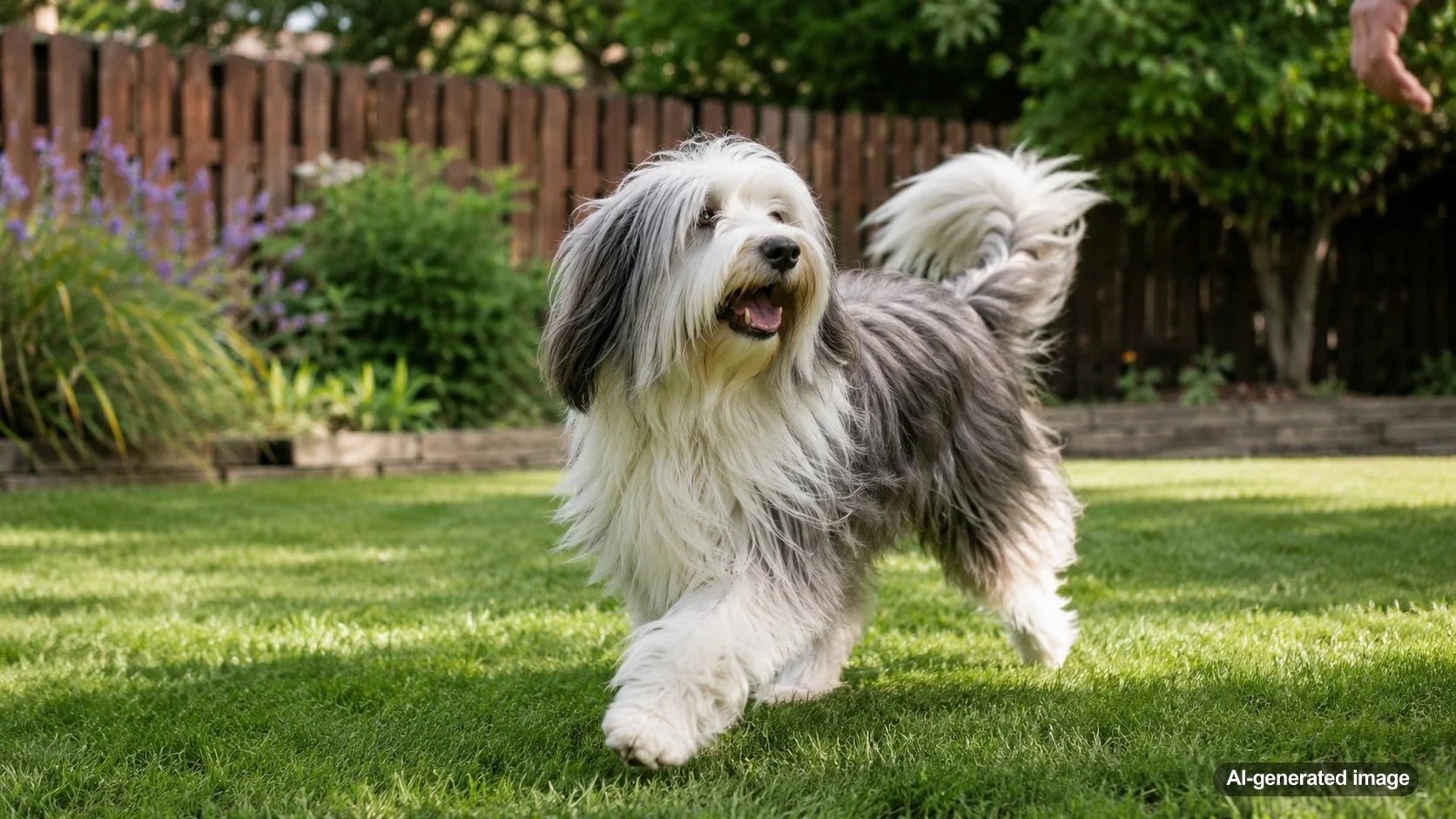
The Polish Lowland Sheepdog may look like a cheerful bundle of shaggy hair, but underneath that tousled coat is a muscular working dog with sharp instincts and an excellent memory. Also known as the Polski Owczarek Nizinny, or PON, this medium-sized Polish herding breed is intelligent, loyal, watchful, and often delightfully opinionated. For dog parents who enjoy training, grooming, and creating interesting daily routines, the PON can be an entertaining and deeply devoted companion.
This is not usually a dog who is satisfied with one quick walk and a quiet day on the couch. Polish Lowland Sheepdogs were developed to think while herding and guarding livestock, so they tend to notice everything happening around them. They need constructive ways to use both their bodies and their busy brains.
The Polish Lowland Sheepdog is a compact herding dog that generally stands about 17 to 20 inches tall and weighs approximately 30 to 50 pounds. The breed typically lives 12 to 14 years. PONs are known for their shaggy double coats, confidence, intelligence, loyalty, and independent streak.
A Working Dog Hidden Under All That Hair
The Polish Lowland Sheepdog originated in Poland, where the breed worked as both a livestock herder and a watchdog. Its sturdy, rectangular body and dense double coat helped it work in rough weather and demanding conditions.
The breed's long facial hair often falls over the eyes, creating its signature mop-like appearance. That hair does not mean the dog is unaware of its surroundings. PONs are observant and quick to register changes, including a visitor at the door, an unfamiliar noise outside, or a family member moving from one room to another.
Adults generally fall into the medium-size category, but their stocky build can make them feel more substantial than their height suggests. Coat colors and patterns vary widely, with combinations of white, gray, black, brown, beige, and other shades commonly seen.
Polish Lowland Sheepdog Temperament
A well-socialized PON is often affectionate and devoted to family while remaining somewhat reserved with unfamiliar people. Many have natural watchdog instincts and will announce activity they consider suspicious. Early socialization can help them learn the difference between ordinary neighborhood life and something that truly deserves attention.
These dogs are highly intelligent, but intelligence does not always equal instant obedience. A PON may understand a cue perfectly and still pause to consider whether following it seems worthwhile. Training sessions tend to work best when they are upbeat, consistent, and varied rather than repetitive or forceful.
Positive reinforcement, food rewards, games, and short practice sessions can keep this clever dog engaged. Love Nuggets are bite-sized rewards that can be useful during recall practice, cooperative grooming, and other everyday training routines.
How Much Exercise Does a PON Need?
Polish Lowland Sheepdogs need daily physical activity, but exercise alone is not enough. A long walk may tire the legs while leaving the brain ready to reorganize the throw pillows, patrol the windows, or invent a game involving your socks.
A balanced routine might include a brisk walk, sniffing time, several minutes of training, and an enrichment activity. Many PONs also enjoy hiking, agility, rally, obedience, scent games, and structured fetch. Puppies should receive age-appropriate activity that does not place excessive stress on developing joints, while older dogs may benefit from shorter sessions and more low-impact mental work.
Hide several treats around one room, release your dog to search, and gradually make the hiding places more challenging. Sniffing gives a herding dog a focused job without requiring a huge yard or a lengthy workout.
Keeping a Clever Herding Dog Busy
Boredom in a PON may look like barking at every sound, shadowing people constantly, stealing household objects, digging, or chewing items that were never intended to become dog toys. These behaviors do not automatically mean the dog is being spiteful. They can be signs that the dog needs clearer outlets for natural problem-solving and working instincts.
Rotate activities instead of leaving every toy available all day. You might offer a food puzzle in the morning, practice place training in the afternoon, and provide supervised licking or chewing in the evening. The Walkabout turns kibble or treats into a rolling slow-feeder game, encouraging a dog to move, investigate, and work for each piece.
Increase puzzle difficulty gradually. A dog who becomes frustrated may bark, paw aggressively, or abandon the activity. Start with an easy setup, show your dog how the game works, and make the challenge harder only after your dog succeeds.
Grooming the Shaggy Double Coat
The PON's coat is one of its most recognizable features, and it requires a real commitment. The long outer coat and dense undercoat can form mats close to the skin, especially behind the ears, under the collar, in the armpits, around the legs, and beneath the belly.
Plan on thorough brushing and combing several times each week, with more frequent attention during shedding periods or after outdoor adventures. Brushing only the visible surface can leave hidden tangles underneath, so work in small sections and check that a comb can move through the coat down to the skin.
Inspect the beard after meals and drinking, trim nails regularly, check the ears, and establish a dental routine. Sudden sensitivity during brushing, skin redness, odor, excessive scratching, or painful mats should be discussed with a veterinarian or professional groomer.
Is a Polish Lowland Sheepdog Right for You?
- Enjoy teaching a smart dog new skills
- Can provide daily exercise and mental enrichment
- Do not mind regular brushing and coat care
- Appreciate a loyal dog with watchdog instincts
- Can set patient, consistent household boundaries
This breed may be challenging for someone who wants a low-maintenance coat, an instantly obedient personality, or a dog that remains content without much interaction. Herding behavior can also include circling, blocking movement, or attempting to direct children and other pets. Supervise interactions and redirect unwanted herding into training games rather than allowing it to become a habit.
Prospective owners should seek a responsible breeder or breed-specific rescue that is honest about temperament, health history, and the demands of the coat. Ask what health screenings have been completed and talk with your veterinarian about preventive care, nutrition, weight management, and any breed-specific concerns.
Dog Parent FAQs
Do Polish Lowland Sheepdogs shed?
They have a dense double coat and can shed, particularly when the undercoat changes seasonally. Consistent brushing helps remove loose hair and prevent mats.
Are Polish Lowland Sheepdogs easy to train?
They are intelligent and capable learners, but they can be independent. Short, rewarding, varied sessions are usually more effective than repetitive drills.
Can a Polish Lowland Sheepdog live in an apartment?
Some can adapt to apartment life when they receive sufficient exercise, enrichment, training, and appropriate outlets for alert barking. Their daily needs matter more than the size of the home alone.
Are PONs good family dogs?
They can be loyal family companions in homes that understand herding behavior, supervise children and dogs together, and provide early socialization and consistent boundaries.
A Shaggy Companion Who Likes Having a Job
The Polish Lowland Sheepdog combines a memorable coat with an equally memorable personality. This clever herder is often affectionate, vigilant, playful, and determined, making daily life interesting for owners who appreciate a dog that thinks for itself.
With thoughtful training, substantial grooming, regular exercise, and plenty of brain games, a PON can become a devoted companion who is ready to participate in nearly everything the family does. Give this dog a useful job, and you may discover that the bright eyes behind all that hair are keeping track of far more than you realized.


