






































































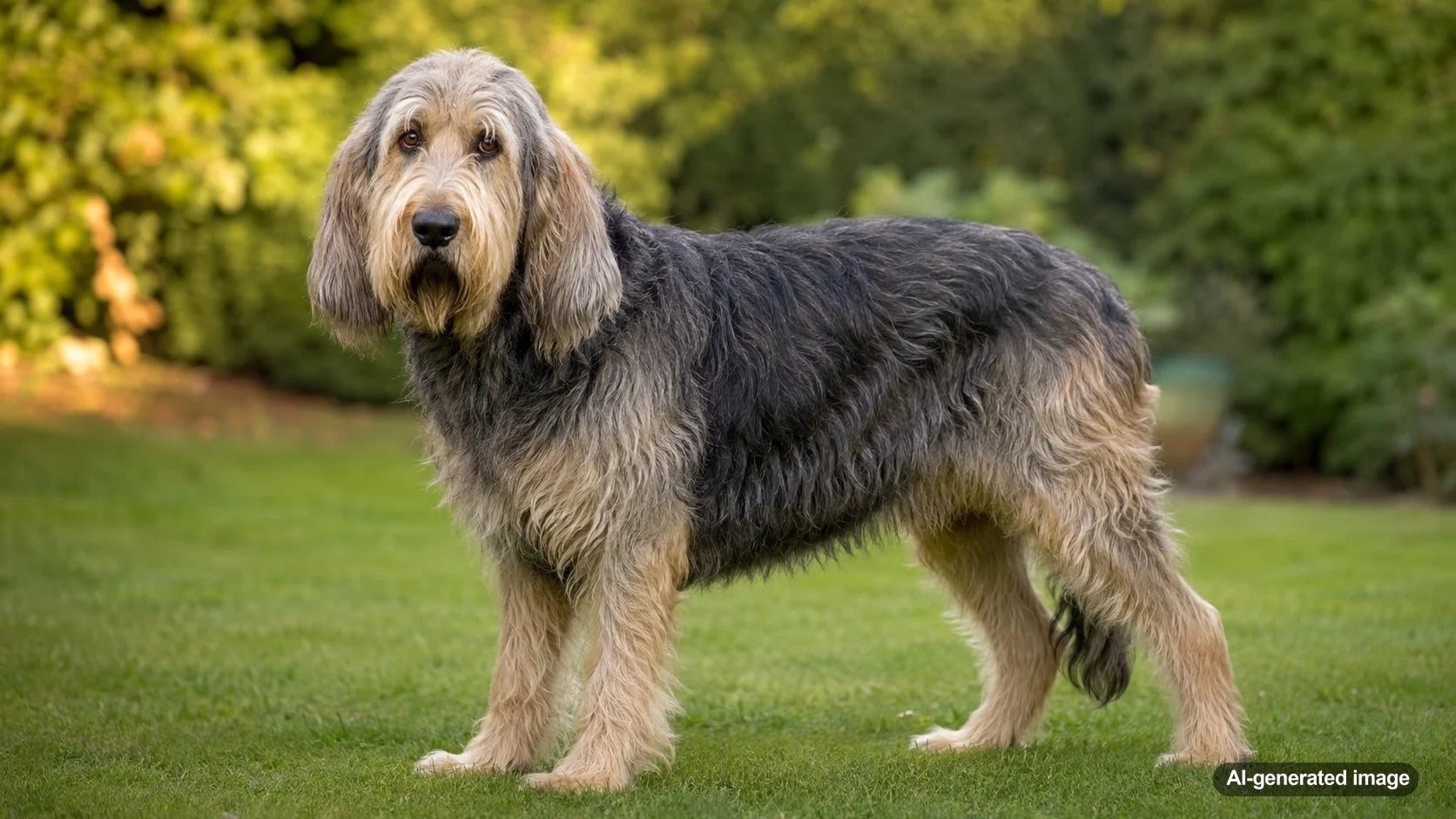
The Otterhound is a big, shaggy scent hound with webbed feet, a powerful nose, and a personality that tends to fill the room. Originally developed in England to follow otter trails across land and water, this rare breed combines endurance, curiosity, and an unmistakably cheerful streak. An Otterhound can be an affectionate family companion, but prospective owners should be ready for a large, energetic dog who follows scents enthusiastically and often has opinions of their own.
Behind that delightfully tousled face is a working hound built for long days outdoors. Understanding the breed's exercise, training, grooming, and enrichment needs is essential before inviting one into your home.
Large, friendly, boisterous, and highly scent-driven. Otterhounds generally do best with active owners who have secure outdoor space, patience for reward-based training, and time for regular coat care and mental enrichment.
A Rare Hound With an Aquatic History
The Otterhound is an old British breed developed to track otters at a time when otter hunting was practiced to protect fish populations. That work demanded a dog capable of following scent through water, crossing rough terrain, and continuing for hours. When the activity was outlawed, Otterhounds became primarily companions and participants in dog sports.
The physical reminders of that history are easy to spot. Otterhounds have broad, substantially webbed feet, a rough outer coat, and a water-resistant undercoat. Their large noses and wide nostrils support an exceptionally sensitive sense of smell. Long, folded ears help give the breed its distinctive expression, although they also require attentive care.
Otterhounds remain exceptionally uncommon. Anyone considering one should expect to research responsible breeders or breed-specific rescue carefully and potentially wait for the right dog.
Otterhound Size and Appearance
This is a substantial dog, not a medium-sized hound hidden beneath abundant hair. Adult males are commonly around 27 inches at the shoulder and approximately 115 pounds, while females are often around 24 inches and approximately 80 pounds. Individual size varies, but every Otterhound needs enough room to move comfortably.
The breed's shaggy double coat may appear in many colors or color combinations. Its natural texture is rough and slightly broken rather than sculpted or fluffy. A beard, hairy ears, and large feet complete the wonderfully scruffy look. Be prepared for that beard to carry water across the kitchen after every drink.
Temperament: Affectionate, Social, and Boisterous
Otterhounds are generally amiable and even-tempered. Many are playful class clowns who remain youthful well into adulthood. They can be loving with their families and may live successfully with children or other animals when properly socialized. Their size and exuberance, however, can overwhelm toddlers or delicate pets without thoughtful supervision.
These hounds are also known for their deep, carrying bay. Some vocalize when excited, bored, lonely, or joining another sound. Apartment living can therefore be challenging, especially when walls are thin.
An Otterhound may hear a cue perfectly and still pause to evaluate whether it is more interesting than the scent drifting under the fence. That is hound independence, not a lack of intelligence. Patient training and worthwhile rewards usually produce better results than repetition or harsh corrections.
Exercise and Enrichment Needs
Daily physical activity is important, but nonstop running is not the only way to satisfy an Otterhound. Sniff-heavy walks, tracking games, nose work, swimming in safe conditions, and food puzzles all engage abilities that were intentionally developed over generations.
Because a compelling scent can send an Otterhound wandering, off-leash activity should take place only in a securely enclosed area. A standard yard fence should be checked for gaps, weak gates, and digging opportunities. Reliable recall training is valuable, but it does not make an unsecured environment risk-free for a determined scent hound.
Hide several treats in easy locations around one room and invite your dog to find them. Increase the difficulty gradually instead of making the first session frustrating. Short, successful searches can be surprisingly satisfying.
For quieter enrichment, a food toy such as The Pupsicle can give an Otterhound a focused licking activity after exercise or while the household settles down. Select the correct size, account for treats within the daily diet, and supervise use, especially with enthusiastic chewers.
Training an Independent Scent Hound
Begin training early, keep sessions short, and reward the behavior you want to see repeated. Otterhounds may respond especially well to food, play, and opportunities to sniff. Useful priorities include polite leash walking, coming when called, waiting at doors, leaving found objects, and settling on a mat.
Practice cues in low-distraction areas before expecting success near wildlife, water, or unfamiliar dogs. If attention disappears outside, reduce the difficulty by adding distance from distractions or using a more valuable reward. Love Nuggets are bite-sized treats that can fit into brief reward-based sessions without interrupting the flow of training.
Adolescent Otterhounds can be especially exuberant. Consistent boundaries and a qualified reward-based trainer may help owners navigate pulling, jumping, selective listening, or overexcited greetings before those habits become harder to manage in a full-sized dog.
Grooming the Shaggy Double Coat
The coat needs routine brushing to remove debris and prevent mats, particularly behind the ears, under the legs, around the beard, and anywhere equipment rubs. Dogs that swim or explore brush may need more frequent attention. Check the skin as you groom so burrs, irritation, or hidden tangles do not go unnoticed.
Long, folded ears can retain moisture. Inspect them regularly and dry them gently after swimming or bathing. Ask your veterinarian how often your individual dog needs ear cleaning, and contact the clinic if you notice redness, swelling, discharge, a strong odor, pain, or repeated head shaking.
Nails, teeth, and the hair around the feet also need regular attention. Starting these routines during puppyhood can make care easier when the dog reaches adult size.
Health and Everyday Care
Responsible breeders should discuss health testing and the conditions seen within their lines. As a large, deep-chested breed, the Otterhound may be vulnerable to bloat and gastric torsion, a life-threatening emergency. Ask your veterinarian about risk factors, feeding routines, warning signs, and whether preventive gastropexy is appropriate for your dog.
Owners should also discuss joint health, bleeding disorders, and seizures with their veterinarian or breeder. No screening eliminates every risk, but informed breeding and regular veterinary care support better decisions.
- Daily exercise plus scent-based mental enrichment
- Securely fenced space or carefully managed leash activity
- Patient, reward-based training
- Regular brushing, ear care, and cleanup after wet adventures
- Enough room and tolerance for a large, vocal, exuberant hound
Dog Parent FAQs
Are Otterhounds good family dogs?
Many Otterhounds are affectionate, friendly family companions. Their large size and energetic play mean interactions with young children should always be supervised.
Do Otterhounds shed?
Yes. Their rough double coat sheds and collects debris, so routine brushing and household cleanup are part of living with the breed.
Can Otterhounds live in apartments?
It may be possible for an unusually well-matched dog and committed owner, but their size, exercise needs, and loud bay generally make a spacious home with secure access to outdoor activity easier.
Do Otterhounds like swimming?
Many do, thanks to their history, webbed feet, and water-resistant coat. Introduce water gradually, use a canine life jacket when appropriate, and supervise every swim.
Are Otterhounds easy to train?
They are intelligent but independent and easily absorbed by scent. Short sessions, valuable rewards, realistic expectations, and consistent practice tend to work best.
A Big Personality for the Right Home
The Otterhound offers affection, humor, endurance, and a truly distinctive presence. In return, this rare hound needs secure management, meaningful activity, coat care, and an owner who appreciates independent thinking. For a household prepared to embrace muddy feet, a dripping beard, and the occasional booming bay, the Otterhound can be an unforgettable adventure companion.


