






































































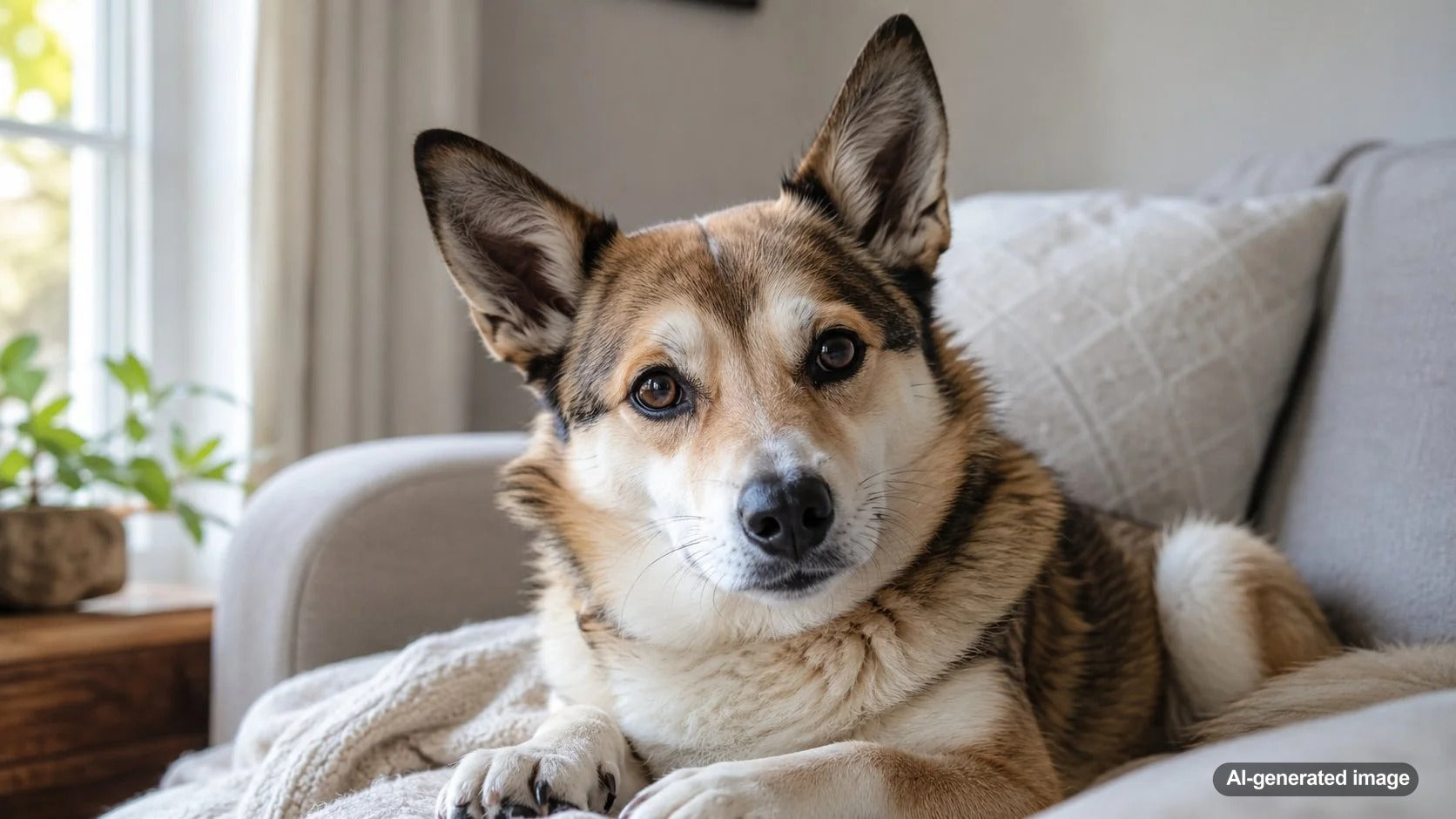
The Norwegian Lundehund looks like a small Nordic spitz, but a closer look reveals one of the most unusual dogs in the world. This rare breed has extra toes, exceptionally flexible joints, and ears that can fold closed, all adaptations that once helped it climb Norwegian cliffs and squeeze into narrow crevices while hunting puffins. Clever, curious, and delightfully unconventional, the Lundehund can be a fascinating companion for a household prepared for its independent personality and specialized care needs.
Although its physical features attract plenty of attention, living with a Lundehund is about more than counting toes. Prospective dog parents should understand the breed's activity needs, training style, digestive health risks, and tendency to approach everyday life with its own strong opinions.
The Norwegian Lundehund is a small, agile dog from Norway. It is generally alert, energetic, loyal to its family, and somewhat independent. The breed can thrive with patient training, daily mental stimulation, moderate physical activity, and attentive veterinary care.
A Puffin Hunter Built for Rocky Cliffs
The word "lunde" refers to the puffin, while "hund" means dog. For centuries, these specialized dogs worked along Norway's rugged coastline, climbing steep rock formations and entering tight nesting spaces to retrieve puffins for island communities.
That unusual job explains the Lundehund's extraordinary anatomy. A typical Lundehund has at least six toes on each foot, including functional extra toes that helped provide traction on slippery rocks. Its shoulders are flexible enough for the front legs to extend outward, and its neck can bend farther backward than that of most dogs. The ears can also fold shut, helping protect the ear canals from debris.
As other puffin-hunting methods became common, demand for the dogs declined dramatically. Disease outbreaks and a very small breeding population later pushed the Lundehund close to extinction. Dedicated preservation efforts saved the breed, but it remains exceptionally rare.
Norwegian Lundehund Temperament
Lundehunds are often friendly and affectionate with their families, although they may not behave like constantly cuddly lap dogs. Many prefer to remain involved in household activity, investigate their surroundings, and decide for themselves whether a request is worth following.
Their alert nature can make them observant watchdogs. Some may bark when they notice unfamiliar people, animals, or sounds. Early, positive exposure to different visitors, surfaces, environments, and everyday noises may help a young Lundehund develop confidence without becoming overwhelmed.
This breed's independence is sometimes mistaken for a lack of intelligence. In reality, Lundehunds tend to be clever problem-solvers. Repetitive drills can lose their attention, while brief sessions involving movement, rewards, and variety are often more engaging.
Exercise and Enrichment Needs
The Norwegian Lundehund is athletic, but most individuals do not need hours of intense exercise. Daily walks, safe opportunities to explore, short training games, and mentally stimulating play can create a balanced routine. Because these dogs were developed to climb and search, activities involving sniffing, navigating, and problem-solving are especially appropriate.
Try scattering part of a meal across a snuffle-friendly area, hiding treats around one room, practicing simple obstacle navigation, or rotating interactive food toys. A rolling slow feeder such as the Walkabout can turn part of mealtime into a problem-solving activity while encouraging movement indoors.
Secure fencing and reliable leash habits are important. A curious Lundehund may follow an interesting scent, investigate a gap, or attempt to climb something that another small dog would ignore.
Increase difficulty gradually. Begin with an easy puzzle that delivers frequent rewards, then make the activity more challenging after your dog understands how it works. Frustration is not the same as enrichment.
Training a Clever, Independent Dog
Training tends to work best when it feels cooperative rather than confrontational. Use small rewards, mark the behavior you want, and stop while the dog is still interested. Three successful two-minute sessions may be more productive than one long session filled with repetition.
Prioritize practical skills such as coming when called, waiting at doors, settling on a mat, allowing paw handling, and leaving unsafe objects alone. Paw handling is particularly useful because a Lundehund's extra toes mean more nails to inspect and trim.
Food rewards such as Woof Puzzle Treats can be reserved for training or interactive play. Treats should remain appropriately sized and should be included when considering the dog's total daily food intake.
Grooming and Everyday Care
The Lundehund has a double coat with a harsher outer layer and a softer undercoat. Weekly brushing can remove loose hair and debris, although more frequent brushing may be needed during seasonal shedding.
Check every toe and nail rather than assuming all nails wear evenly. Nails that become too long can affect comfortable movement. The ears should also be inspected regularly, and the teeth should be cleaned as part of a consistent dental routine. Ask your veterinarian or groomer to demonstrate safe nail, ear, and dental care if you are unsure.
Important Health Considerations
Anyone considering this breed should learn about its digestive health risks. Norwegian Lundehunds have an elevated risk of intestinal disorders, including protein-losing enteropathy and intestinal lymphangiectasia. These conditions are sometimes discussed collectively as Lundehund syndrome and may interfere with nutrient absorption.
Persistent diarrhea, vomiting, appetite changes, weight loss, unusual fatigue, abdominal swelling, or swelling in the legs should be discussed with a veterinarian promptly. A toy, treat, or supplement is not a substitute for veterinary evaluation.
Because the breed developed from a very small population, prospective owners should look for a responsible breeder who openly discusses health history, digestive concerns, eye evaluations, patella evaluations, and the breed's limited genetic diversity. A good breeder should also remain available as a source of guidance throughout the dog's life.
Ask your veterinarian for individualized guidance, especially if your Lundehund has recurring digestive symptoms or a diagnosed gastrointestinal condition. Introduce approved foods and treats gradually while monitoring stool quality, appetite, and comfort.
Is a Norwegian Lundehund Right for You?
A Lundehund may suit someone who enjoys rare breeds, positive training, outdoor exploration, and creative enrichment. It can adapt to different home sizes when its exercise and mental needs are met, but a secure environment and an attentive routine are essential.
This may not be the easiest choice for someone seeking an instantly obedient dog or a breed with minimal health considerations. Finding a responsibly bred puppy can also require extensive research and patience because Lundehunds remain uncommon.
For the right household, however, the Norwegian Lundehund offers an extraordinary combination of history, agility, intelligence, and personality. Its six-toed paws may be famous, but its curious mind is what truly shapes daily life with the breed.
Dog Parent FAQs
Why does the Norwegian Lundehund have extra toes?
The functional extra toes helped the breed grip steep, uneven rocks while searching for puffins along Norway's coastline.
Are Norwegian Lundehunds easy to train?
They are intelligent but independent. Short, varied sessions using positive reinforcement generally work better than repetitive or forceful methods.
Do Norwegian Lundehunds need a lot of exercise?
They usually need moderate daily exercise combined with sniffing, problem-solving, training, and interactive play.
Is the Norwegian Lundehund a good family dog?
Many are friendly family companions when socialized thoughtfully. Children should be taught to interact gently and respect the dog's space.
What health issue is associated with the breed?
The breed has an increased risk of serious intestinal disorders that can affect nutrient absorption. Owners should establish veterinary care early and report persistent digestive changes.


