Dog Breed Profile: Miniature Pinscher is a tiny-dog topic with a lot of attitude packed inside. The Miniature Pinscher, often called the Min Pin, is confident, alert, athletic, and famously full of opinions. If you are looking for a small dog who acts like the CEO of the household, this breed may steal your heart and keep you on your toes.
Miniature Pinschers are toy dogs, but they are not delicate couch decorations. They are curious movers, quick learners, bold watchdogs, and clever problem-solvers who need daily outlets for their brains and bodies. The right routine can help a Min Pin feel less restless, bark less from boredom, and channel that sparkly little engine into better choices.
Meet the Miniature Pinscher
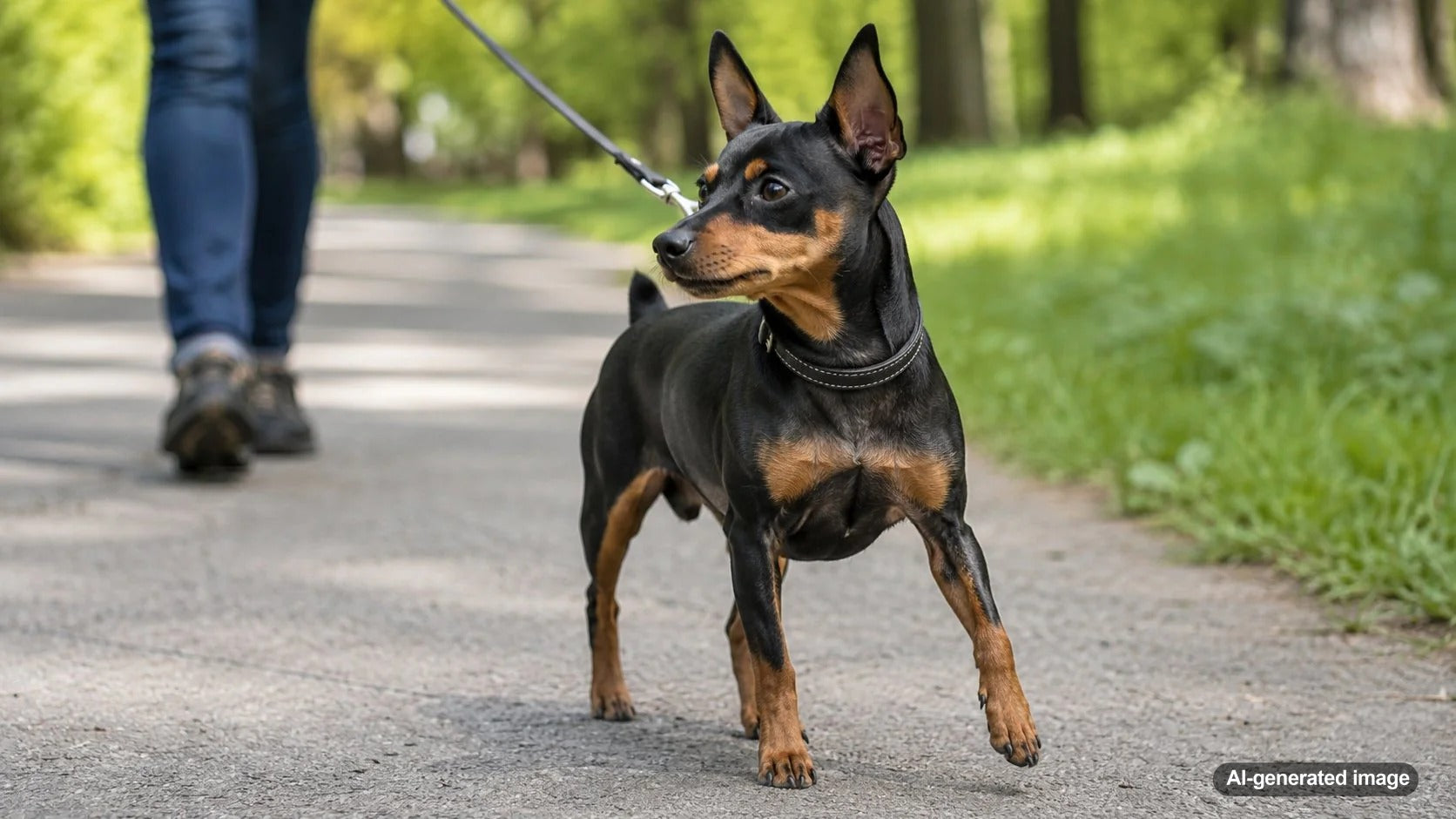
The Miniature Pinscher is known for a proud, high-stepping walk and a fearless personality that can make this little dog seem much larger than life. Min Pins are usually compact, sleek, and muscular with a short, shiny coat that is easy to maintain. Common colors include red, stag red, black with rust, and chocolate with rust.
One thing dog parents often misunderstand is the name. The Miniature Pinscher is not simply a tiny Doberman Pinscher. The breed has its own history and personality, with roots commonly associated with Germany and old working-style dogs used for catching small pests. That background helps explain the breed's alertness, speed, prey drive, and love of investigating every corner of the home.
Personality: Bold, Busy, and Very Aware
A Min Pin often notices everything: the mail truck, a squirrel, the snack bag opening, or a guest stepping onto the porch. This can make the breed charming and funny, but it can also lead to barking, door-dashing, and bossy behavior if daily structure is missing.
Many Min Pins are affectionate with their people, but they may be reserved or spicy with strangers unless socialized thoughtfully. Start with calm, positive introductions rather than overwhelming them with too many people or dogs at once. Because Min Pins are small and quick, they also need gentle handling around children who understand how to respect a dog's space.
Exercise and Enrichment Needs
Miniature Pinschers tend to thrive with several small activity sessions throughout the day instead of one giant burst of exercise. A morning walk, a midday puzzle, a short training session, and an evening chew or lick routine can feel more satisfying than random play with no structure.
Good enrichment for a Min Pin should make them think without frustrating them. Try scatter feeding in a safe room, hiding a few treats under cups, practicing recall in the hallway, or using a slow-feeding toy for part of a meal. For small dogs who eat quickly or need a calmer routine, the FlipMat Mini can be a smart fit because it gives them a portable licking and slow-feeding activity that suits little mouths and short sessions.
Because Min Pins can be escape artists, enrichment should happen in secure areas. Check fences, use a leash in unfenced spaces, and avoid assuming a small dog cannot slip through a gap.
Training a Miniature Pinscher Without a Battle of Wills
Training a Min Pin works best when it is consistent, upbeat, and clear. They can be smart enough to learn quickly and smart enough to test whether the rule still applies today. Keep sessions short, reward the behavior you want, and practice in real-life moments like waiting at the door, coming when called, and settling while you prepare food.
| Common Min Pin Challenge | What It May Look Like | What to Try First |
|---|---|---|
| Barking at sounds | Alerting at windows, hallways, or delivery noises | Block the view, reward quiet moments, and add a predictable settle routine |
| Restless chewing | Nibbling furniture, shoes, blankets, or corners | Offer supervised chew outlets and rotate approved toys before boredom builds |
| Door-dashing | Bolting when guests arrive or the leash comes out | Practice wait at doors and use gates or leashes during transitions |
Grooming, Dental Care, and Daily Wellness
The Miniature Pinscher's short coat is generally low maintenance, but low grooming does not mean no routine. Weekly brushing can help remove loose hair, and regular nail trims are important because long nails can affect comfort and movement. Since Min Pins have short coats and small bodies, many appreciate a sweater or coat in chilly weather.
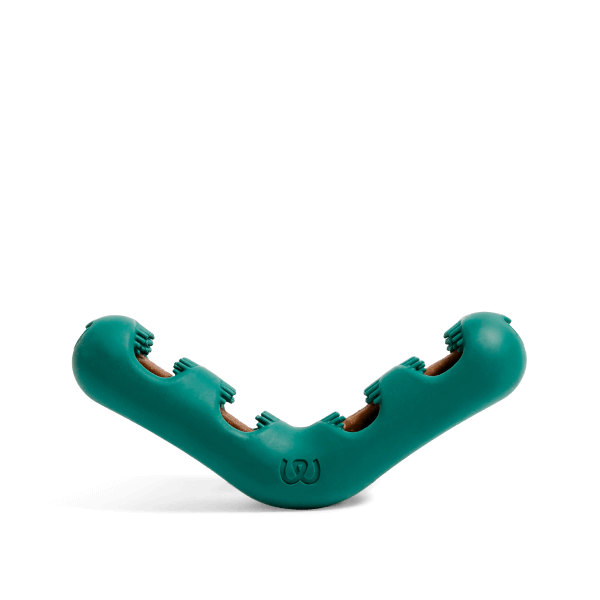
Dental care matters for small breeds, too. Small dogs can be prone to tartar buildup and bad breath, so it helps to make mouth care part of everyday life rather than waiting until there is a problem. For dogs who enjoy chewing, The Bite n' Brush is a reusable dental chew toy that can make the routine feel more like play. Use it with supervision and choose the right size for your dog.
Ask your veterinarian about any appetite changes, limping, excessive drooling, painful chewing, loose teeth, vomiting, diarrhea, or sudden behavior changes. Breed profiles are helpful for planning, but your own dog's health history should guide care decisions.
Is a Miniature Pinscher Right for You?
A Min Pin may be a great match if you like alert, energetic, expressive dogs and you enjoy training as part of daily life. They can adapt well to apartments or smaller homes when their exercise and enrichment needs are met, but they are not usually the best choice for someone who wants a quiet, low-effort lap dog.
This breed often does best with dog parents who can provide secure outdoor access, patient socialization, positive training, and plenty of ways to be busy. If you want a small dog with big confidence, quick feet, and a hilarious sense of importance, the Miniature Pinscher can be an unforgettable companion.
Dog Parent FAQs
Are Miniature Pinschers good apartment dogs?
They can be, as long as they get daily exercise, enrichment, and training. Without enough outlets, they may bark, pace, or create their own entertainment.
Do Miniature Pinschers bark a lot?
Many Min Pins are naturally alert and vocal. Training, management, white noise, window barriers, and calm reward-based routines may help reduce unnecessary barking.
Are Miniature Pinschers good with kids?
Some are great with respectful children, but supervision matters. Their small size means rough handling can scare or hurt them, so calm interactions are important.
How much grooming does a Miniature Pinscher need?
Their short coat is easy to maintain with regular brushing, nail trims, ear checks, and dental care. They may need extra warmth in cold weather.