






































































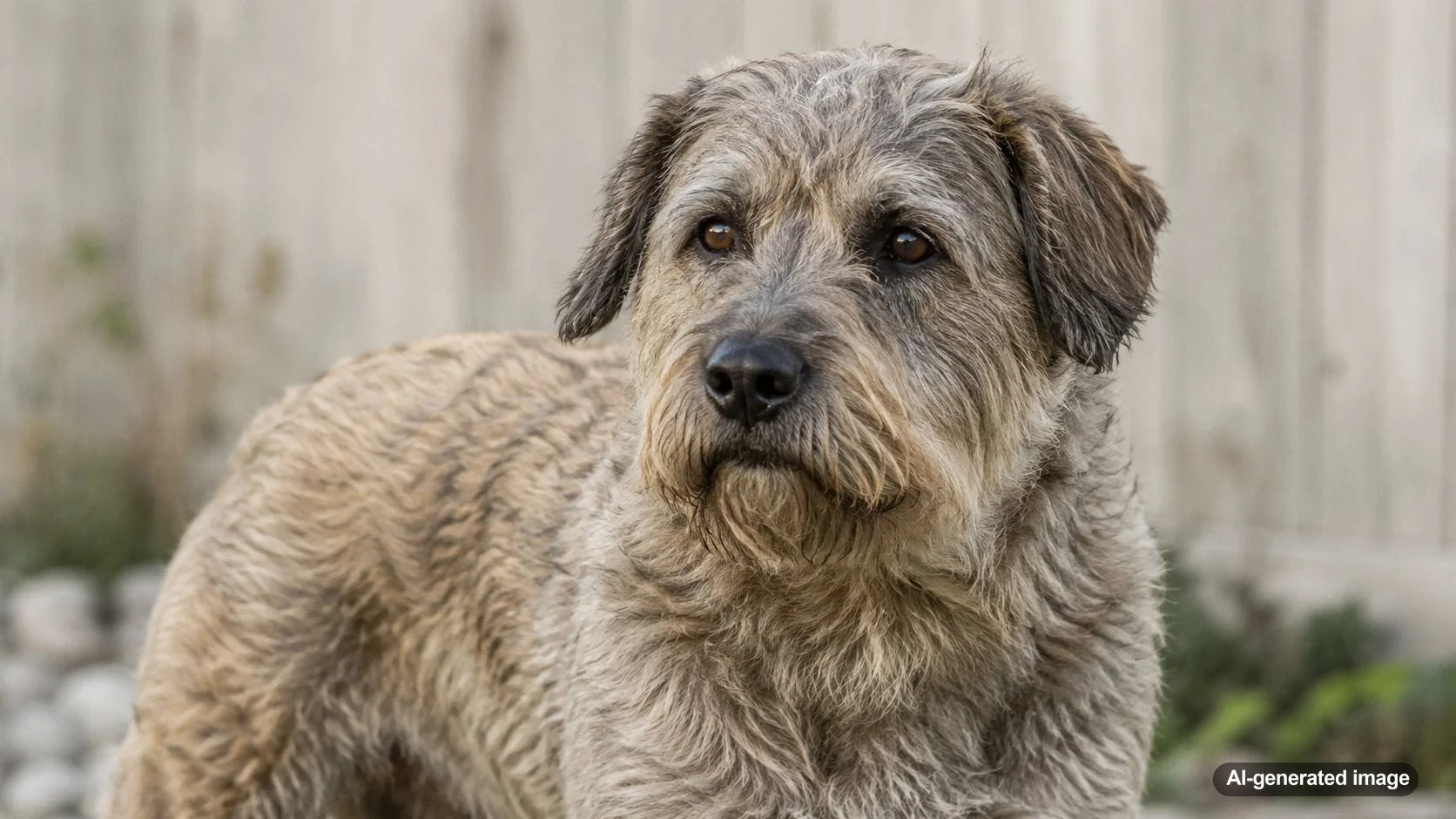
The Glen of Imaal Terrier may look like a shaggy little dog on short legs, but there is serious strength, courage, and character packed into that low-slung body. Developed in the rugged Glen of Imaal in Ireland's County Wicklow, this uncommon terrier worked around farms, pursued vermin, and tackled jobs that demanded determination. Today, the Glen can be a devoted, entertaining companion for dog parents who appreciate an independent thinker rather than a dog who follows every instruction automatically.
Glens are often described as calmer and less excitable than many terriers, but that does not make them passive. They are muscular, clever dogs with strong prey instincts, a fondness for digging, and enough persistence to turn a simple backyard scent into an afternoon project.
Breed snapshot: The Glen of Imaal Terrier is a sturdy Irish terrier that typically stands about 12.5 to 14 inches at the shoulder. The breed is known for a weather-resistant double coat, substantial build, bold personality, moderate exercise needs, and a quieter style than many other terriers.
What Does a Glen of Imaal Terrier Look Like?
A Glen is longer than tall, with a broad head, powerful body, bowed front legs, and feet that may turn slightly outward. Although relatively short, this is not a delicate dog. An adult Glen can weigh around 35 pounds, giving the breed the feel of a much larger dog in a compact package.
The medium-length double coat has a rough outer layer and softer undercoat. Accepted colors include wheaten and blue brindle, with individual coats ranging from pale cream or warm wheat to darker gray-blue tones. Their tousled furnishings and expressive faces create an appealingly scruffy appearance, but the coat still needs regular maintenance.
Glen of Imaal Terrier Temperament
Many Glens are affectionate and deeply loyal to their families. They tend to be more measured than the stereotypical high-speed terrier, often relaxing comfortably after their physical and mental needs have been met. They may also bark less frequently than some terrier breeds, although an alert Glen can produce a surprisingly powerful voice.
Under that calm exterior is a determined working dog. Glens can be stubborn, confident, and intensely interested in squirrels, rabbits, rodents, and other small animals. Some may be selective around unfamiliar dogs, particularly as they mature. Early socialization and thoughtful introductions are important, but owners should not expect training to erase a deeply rooted prey drive.
Are Glen of Imaal Terriers Good Family Dogs?
A well-socialized Glen can be a loving family companion, especially in a household that understands terrier behavior. Many enjoy playing with children, but their physical strength can surprise people who judge them by height alone. Interactions with young children should always be supervised, and children should learn not to climb on, corner, or disturb a resting dog.
Homes with cats or small pets require careful consideration. A Glen raised with a cat may learn appropriate household boundaries, but no owner should assume that familiarity will eliminate chasing instincts. Outdoor time in unsecured areas can also be risky when an interesting scent or fast-moving animal appears.
Exercise and Enrichment Needs
Glens generally need moderate daily exercise rather than nonstop running. Walks, sniffing sessions, controlled play, and short training games can provide a satisfying routine. Because of their long, substantial bodies and distinctive front construction, repetitive high-impact jumping is not the best default activity, particularly during puppy development.
Mental engagement matters just as much as mileage. Rotate activities so your Glen does not memorize a puzzle and lose interest. Try hiding treats around one room, teaching a new cue in five-minute sessions, allowing supervised digging in a designated sandbox, or feeding part of a meal through a rolling puzzle.
Make enrichment match the dog: A Glen may prefer pushing, pawing, tugging, chewing, and problem-solving over repetitive fetch. The Walkabout can turn part of a meal into a rolling slow-feeder challenge, while HonestChew offers an appropriate place to direct supervised chewing. Choose the correct size and inspect enrichment items regularly for wear.
Training a Glen Without Creating a Standoff
Glens are intelligent and capable learners, but endless repetition can make them disengage. Keep training sessions brief, reward successful choices, and stop while your dog is still interested. Several focused five-minute sessions may accomplish more than one long lesson.
Recall training deserves special attention because prey drive can overpower even a well-practiced cue. Build the behavior indoors, progress to a fenced area, and use a long line in suitable open spaces. Do not test an unfinished recall around wildlife or traffic. Reward check-ins during walks so paying attention to you becomes worthwhile before a distraction appears.
Consistency works better than confrontation. A Glen that steals a sock may happily repeat the performance if it starts an exciting chase. Teach a trade cue, manage access to tempting objects, and provide legal outlets for carrying and chewing.
Grooming and Everyday Care
Brush the coat at least weekly, paying close attention to softer furnishings around the ears, neck, legs, and belly where tangles can form. Traditional coat care may include hand-stripping several times a year to remove dead outer coat and preserve texture. Pet dogs may follow a different grooming routine, so discuss practical options with a groomer familiar with wiry terrier coats.
Check the ears, trim nails, and introduce dental care gradually. Handle paws, ears, beard, and mouth during calm moments, pairing each touch with a small reward. Starting these habits during puppyhood can make future grooming and veterinary visits less stressful.
Health Considerations
Glen of Imaal Terriers are generally sturdy dogs, but responsible breeding still matters. Breed-specific screening recommendations include evaluations for hips, elbows, and eyes, along with DNA testing for progressive retinal atrophy associated with cone-rod dystrophy and the common degenerative myelopathy variant.
Puppies should avoid unnecessary stress on their developing front legs during roughly the first nine months. Limit repeated jumping from furniture, uncontrolled stair racing, and strenuous forced exercise. Ask your veterinarian for age-appropriate guidance based on your puppy's growth, body condition, and home environment.
Contact your veterinarian if your Glen develops limping, reluctance to move, eye changes, swelling, persistent itching, appetite changes, digestive symptoms, or a sudden shift in behavior. Breed information can guide questions, but it cannot diagnose an individual dog.
Is a Glen of Imaal Terrier Right for You?
| A Glen may fit your home if... | Think carefully if... |
|---|---|
| You enjoy clever, independent dogs. | You want instant obedience with little training. |
| You can provide walks and daily brain games. | You expect a completely sedentary companion. |
| You appreciate a sturdy, quieter terrier. | You need a dog guaranteed to accept every pet. |
| You can manage grooming and coat care. | You want a maintenance-free coat. |
| You will use secure fencing and leash skills. | You expect reliable off-leash behavior around prey. |
The ideal Glen owner has a sense of humor, respects the breed's working instincts, and can provide structure without trying to overpower the dog. In return, the Glen offers loyalty, personality, and an unmistakable presence that feels much bigger than its height.
Dog Parent FAQs
Do Glen of Imaal Terriers shed?
Their double coats are generally considered low-shedding, but loose hair still needs to be removed through brushing and periodic coat care.
Are Glen of Imaal Terriers easy to train?
They learn quickly, but their independent streak can make repetitive training ineffective. Short, positive sessions usually work best.
Can a Glen live in an apartment?
A Glen may adapt to an apartment when given sufficient exercise, enrichment, and appropriate outlets for terrier behavior. Noise sensitivity, shared hallways, and access to secure outdoor space should be considered.
Do Glens need a large yard?
No, but a securely fenced area can be helpful. A yard does not replace walks, training, sniffing, and interaction with the family.
Are Glen of Imaal Terriers rare?
Yes. They remain far less common than many familiar terrier breeds, so finding a responsible breeder or breed-specific rescue may require patience.
A Small Terrier With Remarkable Substance
The Glen of Imaal Terrier is neither a decorative lapdog nor a nonstop canine tornado. This rare Irish breed combines a comparatively calm household manner with the courage, intelligence, and determination of a working terrier. For owners prepared to provide training, safe enrichment, coat care, and sensible management of prey drive, a Glen can become an unforgettable companion with plenty of heart beneath that shaggy exterior.


