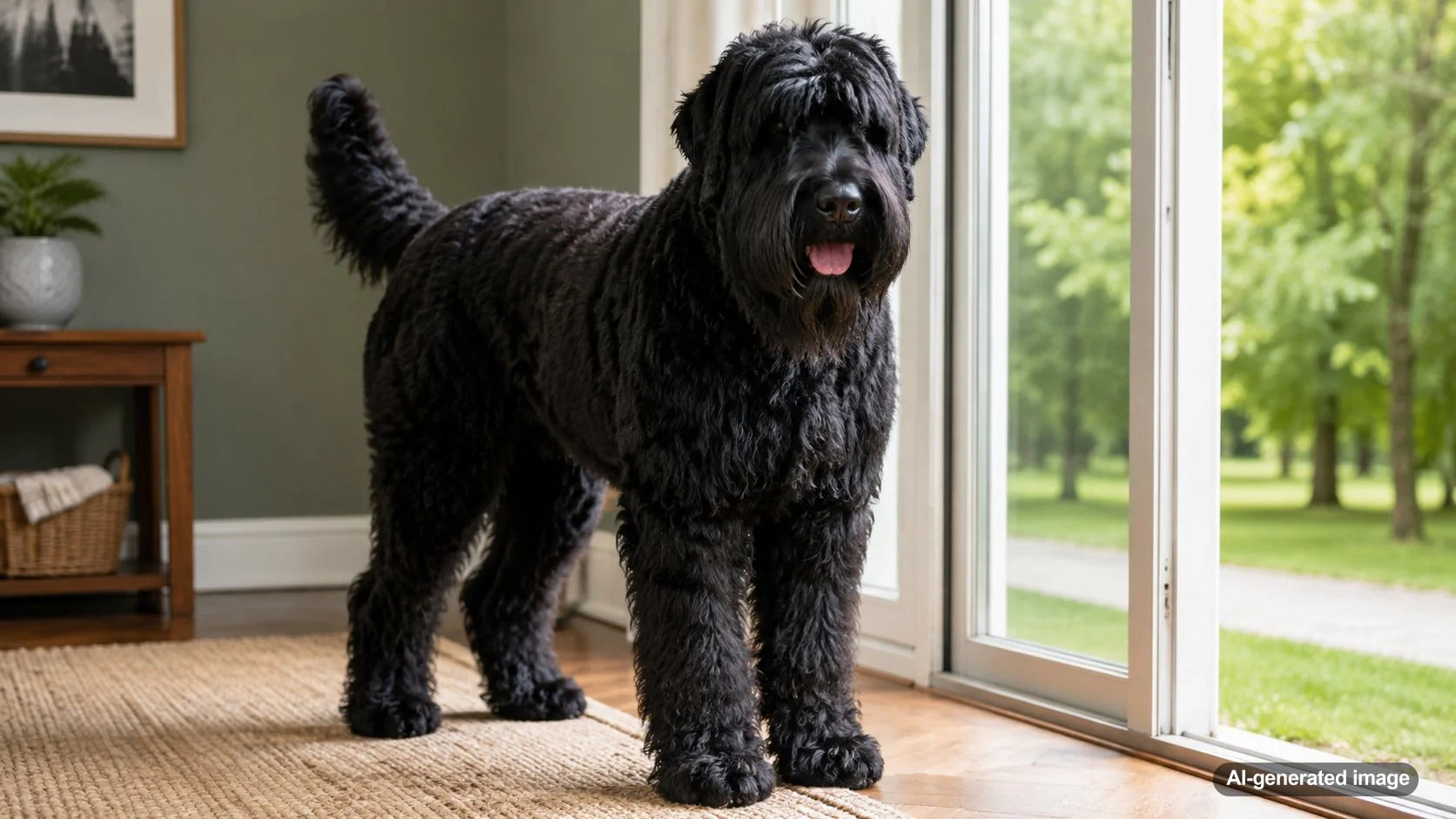
Dog Breed Profile: Black Russian Terrier may sound like the start of a serious working-dog encyclopedia, but this breed is much more than a dramatic black coat and a powerful stance. The Black Russian Terrier is a large, intelligent, protective dog with deep loyalty to their family and a real need for structure. For the right dog parent, this can be an incredible companion, but this is not a casual, low-maintenance breed you simply bring home and hope for the best.
Black Russian Terriers are often described as calm, confident, and watchful. In real life, that can look like a dog who is relaxed at home, deeply bonded with their people, and very aware of what is happening at the front door, on a walk, or near the backyard fence. They were developed as working dogs, so they tend to do best with owners who enjoy training, routines, grooming, and giving a big dog a meaningful job.
Black Russian Terrier at a Glance
| Trait | What dog parents should know |
|---|---|
| Size | Large to giant, often around 80 to 140 pounds depending on sex, build, and individual genetics. |
| Temperament | Loyal, confident, intelligent, watchful, and often reserved with strangers. |
| Energy level | Moderate to active, with a need for daily movement and mental work. |
| Grooming | High maintenance compared with many breeds, thanks to a dense coat, beard, and eyebrows that can mat without care. |
| Best fit | Homes that value training, structure, space, socialization, and a calm but capable guardian-type dog. |
Where the Black Russian Terrier Comes From
The Black Russian Terrier has a working-dog background, originally developed in Russia for demanding service roles. Their ancestry included several strong, capable breeds, which helps explain the Black Russian Terrier's sturdy frame, weather-resistant coat, and serious attitude toward protection. Despite the name, they are not a small, scrappy terrier in the way many people picture terriers. They are a powerful working dog with terrier in the name and guardian in the personality.
That history matters because breed purpose often shows up in everyday behavior. A Black Russian Terrier may naturally scan their surroundings, stay close to their family, or decide that unfamiliar people should be observed before welcomed. That does not mean they should be fearful or reactive. It does mean their owner should prioritize socialization, calm exposure, and clear training instead of waiting until the dog is already huge to teach manners.
Personality: Loyal, Watchful, and Very Smart
A well-raised Black Russian Terrier is usually deeply devoted to their household. They may be affectionate and goofy with their people while staying more reserved around guests. Many are not the type to greet every stranger like a long-lost best friend, and that is perfectly normal for the breed.
The key is teaching your dog how to make good choices when the world gets busy. Puppies should meet different people, surfaces, sounds, grooming tools, car rides, and calm dog-friendly environments in a positive, controlled way. Adult dogs still need practice too. For example, a confident Black Russian Terrier who has rehearsed calm greetings is much easier to live with than a 120-pound dog who has learned to bark, lunge, or crowd visitors at the door.
Exercise and Enrichment Needs
Black Russian Terriers are not usually frantic, nonstop athletes, but they do need daily exercise and purposeful activity. A quick trip to the yard may not be enough, especially for a young adult. Long walks, sniffing time, training games, structured play, hiking, and controlled fetch can all help meet their needs.
Mental enrichment is especially important because smart working breeds can invent their own hobbies when bored. Those hobbies may include shredding household items, barking at every outdoor sound, digging, or chewing things that were absolutely not meant for dogs. Food puzzles, scent games, training rewards, and supervised chew time can help channel that busy brain into something more peaceful.
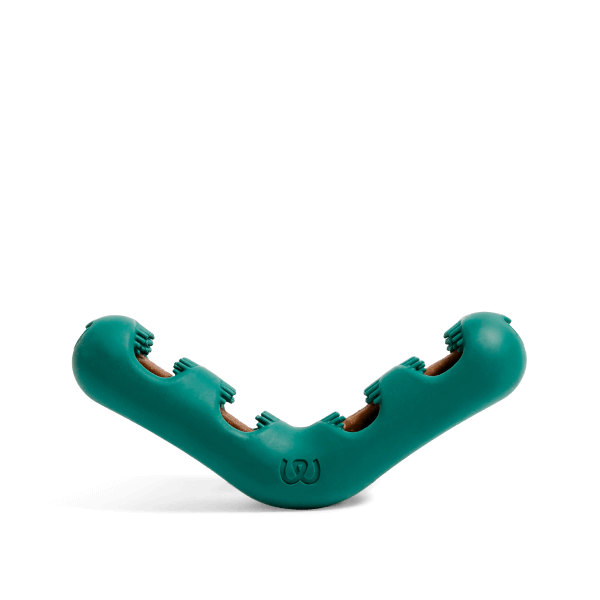
For longer-lasting distraction after training or during a settle-down routine, The Pupsicle can be a useful enrichment tool because it gives dogs a focused licking and treat activity. For a powerful breed like this, always choose the right size, supervise play, and remove any toy if it becomes damaged or if your dog tries to swallow pieces.
Grooming: The Coat Needs a Real Routine
The Black Russian Terrier's thick black coat is part of the breed's signature look, but it does not stay tidy by accident. Their coat can mat, especially around friction areas like behind the ears, under the collar, in the armpits, around the beard, and near the legs. Brushing several times a week is often needed, and many families rely on professional grooming to keep the coat manageable.
The beard and mustache can collect water, food, drool, and outdoor debris. That means regular wiping is not just about appearance. It can help keep the face more comfortable and reduce that damp-dog beard situation many large, coated breeds are famous for. Nail trims, ear checks, and tooth care should also be part of the routine from puppyhood so handling does not become a wrestling match later.
Because Black Russian Terriers are big dogs with strong jaws, dental routines should be practical and repeatable. The Bite n' Brush is Woof's reusable dental chew toy made to turn playtime into a more engaging way to support cleaner teeth. It can be part of a home dental routine, but it should not replace vet-recommended dental care or professional advice if your dog has bad breath, bleeding gums, pain, swelling, or trouble eating.
Training and Socialization: Start Early and Stay Consistent
This breed is intelligent, but intelligence does not automatically equal easy. Black Russian Terriers often respond well to confident, fair, consistent training. Harsh handling can damage trust, while loose, unclear rules can create pushy behavior. The sweet spot is calm leadership, positive reinforcement, and predictable expectations.
Real-world skills matter more than party tricks. Teach loose-leash walking before your dog outweighs your suitcase. Practice calm greetings before guests arrive for a holiday dinner. Reward settling on a mat before you expect your dog to relax during a busy work call. If your Black Russian Terrier shows fear, reactivity, guarding behavior, or escalating stress, reach out to a qualified trainer or behavior professional early.
Is a Black Russian Terrier Good for Families?
A Black Russian Terrier can be a loving family companion in the right home, but families should be honest about the breed's size and intensity. A playful body bump from a giant adolescent dog can knock over a small child. A dog with strong protective instincts also needs careful management around visitors, contractors, kids' friends, and busy household routines.
For homes with children, supervision is essential. Teach kids not to climb on the dog, grab the beard, disturb meals, or approach when the dog is resting. Teach the dog how to settle, move away, and respond to cues. The goal is mutual respect, not assuming any dog should tolerate everything because they are loved.
Health and Everyday Care Considerations
Like many large breeds, Black Russian Terriers can be prone to certain health concerns, including hip and elbow issues, eye concerns, allergies, and urinary stone risks. A responsible breeder should discuss health screening, and your veterinarian can guide nutrition, growth, weight management, joint support, dental care, and age-appropriate exercise.
Large-breed puppies need thoughtful exercise. Too much repetitive high-impact activity while bones and joints are developing can be hard on a growing body. Adult dogs still need movement, but routines should match the dog's age, fitness, and health. If you notice limping, reluctance to rise, appetite changes, vomiting, diarrhea, excessive drooling, sudden behavior changes, or signs of pain, contact your veterinarian.
Dog Parent FAQs
Are Black Russian Terriers good first dogs?
They are usually better for experienced dog parents or very committed first-time owners who are ready to invest in training, grooming, socialization, and professional support when needed.
Do Black Russian Terriers shed a lot?
They may not shed like some heavy-shedding breeds, but their dense coat requires regular brushing and trimming to prevent mats and keep the skin and coat healthy.
Are Black Russian Terriers aggressive?
A well-bred, well-socialized Black Russian Terrier should not be randomly aggressive, but the breed can be naturally protective and reserved. Training, socialization, and responsible management are very important.
How much exercise does a Black Russian Terrier need?
Many need daily walks, training, play, and enrichment. The exact amount depends on age, health, and personality, but mental stimulation is just as important as physical movement.
The Bottom Line on the Black Russian Terrier
The Black Russian Terrier is a remarkable dog for the right person: loyal, impressive, intelligent, and deeply connected to family. They need more than admiration, though. They need brushing, training, thoughtful socialization, enrichment, supervision, and a dog parent who enjoys building a real working partnership.
If you want a huge, watchful companion and you are ready for the commitment, this breed can be incredibly rewarding. If you want an easygoing dog who needs minimal grooming and little training, another breed may be a better match. The best choice is the one that fits both your heart and your everyday life.