






































































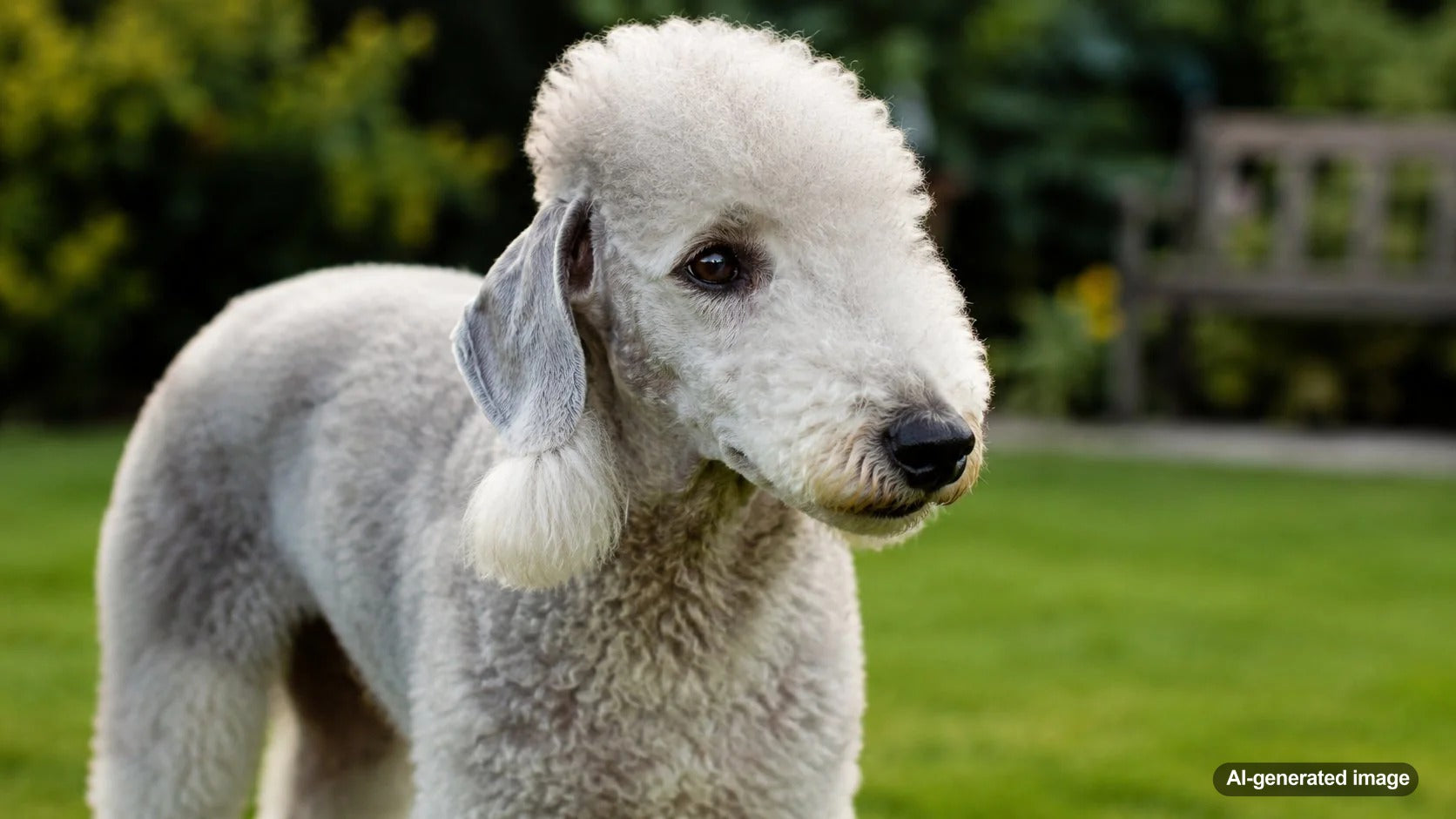
The Bedlington Terrier may look like a gentle little lamb, but under that soft, sculpted coat is a quick, clever, surprisingly athletic terrier. These dogs are affectionate with their people, lively outdoors, and often much bolder than their elegant appearance suggests. For the right household, a Bedlington can be a devoted companion who brings together cuddly charm, playful energy, and unmistakable personality.
This uncommon breed is not simply a decorative lap dog. Bedlingtons were developed as capable working terriers, and many still have the speed, curiosity, prey drive, and determination that come with that history. Understanding that contrast is the key to living happily with one.
Bedlington Terriers are small-to-medium terriers that commonly stand about 15 to 17.5 inches tall and weigh roughly 17 to 23 pounds. They are known for a low-shedding curly coat, an affectionate but spirited temperament, regular grooming needs, and a strong interest in active play and chase games.
What Is a Bedlington Terrier Like?
A Bedlington often has two modes. Indoors, a well-exercised adult may be calm, loving, and happy to curl up near the family. Outside, the same dog can become fast, alert, and intensely interested in squirrels, rabbits, moving toys, or anything else that activates terrier instincts.
Many are bright and responsive, but they can also have an independent streak. Short, reward-based sessions with food, toys, movement, and praise usually work better than repetitive drills or harsh corrections.
Exercise and Enrichment Needs
Bedlingtons are athletic without necessarily needing nonstop activity. A healthy adult usually benefits from daily walks plus opportunities to run, sniff, play, and solve simple problems. The exact amount depends on age, health, and personality, but a slow neighborhood stroll alone may not satisfy a young, energetic dog.
Mix brisk walks with scent games, fetch in a securely enclosed area, short training sessions, and food puzzles. Because many Bedlingtons enjoy chasing, off-leash activity should happen only in a safely fenced space.
For indoor enrichment, The Pupsicle can turn treat time into a longer licking activity after walks or during household downtime.
Grooming the Lamb-Like Coat
The Bedlington coat is distinctive because it combines soft and firmer hair and tends to form crisp curls. It sheds lightly, but low shedding does not mean low maintenance. Without consistent care, the coat can mat around friction points such as the ears, legs, armpits, collar area, and behind the elbows.
Plan on regular combing at home and clipping or professional grooming every several weeks. A pet trim can be simpler than a show trim, but the coat still needs consistent upkeep. Introduce puppies gradually to brushes, paw handling, and face handling.
Training, Children, and Other Pets
Early socialization matters. Calm exposure to people, friendly dogs, sounds, handling, and new environments can support adaptability. Teach recall, leash skills, leave it, drop it, settling on a mat, and polite greetings.
Many Bedlingtons can live happily with respectful children, but adults should supervise interactions and protect the dog's resting space. Compatibility with cats and smaller pets varies because some individuals retain a powerful chase response.
- Daily walks with plenty of sniffing time
- Several short training or puzzle sessions
- Secure running or energetic play a few times per week
- Coat checks and thorough combing
- Regular nail, ear, and dental care
- Planned rest after stimulating outings
Chewing and Settling at Home
A bored terrier may shred household items, bark at hallway sounds, or patrol windows for action. Appropriate chews, rotated toys, and predictable rest routines can help channel that drive.
For dogs that enjoy persistent gnawing, HonestChew offers a durable, plant-powered outlet for chew time. Supervise play, inspect any chew regularly, and remove it if it becomes damaged or small enough to swallow.
Health Considerations for Bedlington Terriers
Bedlington Terriers have an important breed-specific risk involving copper toxicosis, an inherited condition in which copper can accumulate in the liver. Responsible breeders use genetic testing and other health screening to make informed breeding decisions. Prospective owners should ask for documented testing rather than relying on general statements that the parents are healthy.
Recommended screening also includes eye, heart, and kneecap evaluations. Ask your veterinarian what monitoring is appropriate, and seek care for poor appetite, vomiting, unusual tiredness, yellowing of the eyes or gums, abdominal discomfort, or major behavior changes.
Is a Bedlington Terrier Right for You?
This breed may suit someone who wants an affectionate athlete, enjoys reward-based training, can maintain the coat, and respects terrier instincts. It may frustrate a household expecting a low-effort lap dog or effortless off-leash reliability.
Meet adult Bedlingtons when possible, speak with experienced owners, and look beyond the memorable haircut. The best match comes from appreciating the whole dog: loving, sensitive, speedy, intelligent, and still very much a terrier.
Dog Parent FAQs
Do Bedlington Terriers shed?
They generally shed lightly, but their curly coat needs routine combing and regular trimming to prevent mats.
Are Bedlington Terriers good apartment dogs?
They can adapt well to apartment life when they receive enough daily exercise, mental enrichment, training, and opportunities to sniff and play.
Are Bedlington Terriers easy to train?
Many learn quickly, especially with short, positive sessions. Their independent terrier side means consistency and worthwhile rewards are important.
Can Bedlington Terriers live with cats?
Some can, particularly with careful introductions and early experience, but individual prey drive varies. Supervision and thoughtful management are essential.


