


































Have you ever spotted your pup suddenly drop their front legs, lift their hips high, wag their tail furiously and seem to shout “Let’s go!” without making a sound? That striking posture is often the famous play bow—and while it might look like a goofy stance, it’s rich in meaning, layered in nuance and packed with opportunity for connection. In this blog post, we’re diving into the depths of canine communication to decode the many variations of the play bow, explore how your dog uses it (and when you can too), and show you ways to respond in ways that build trust, fun and enrichment for your furry buddy.
We’ll explore exactly why dogs strike the play bow, how subtle changes in body language shift the meaning, and how you—yes you, the dog-loving human in the room—can leverage that cue to boost playtime, strengthen your bond and enrich your dog’s life. (And we’ll sprinkle in some product picks from our Woof line to make it even more fun!)
What is a play bow and why it matters
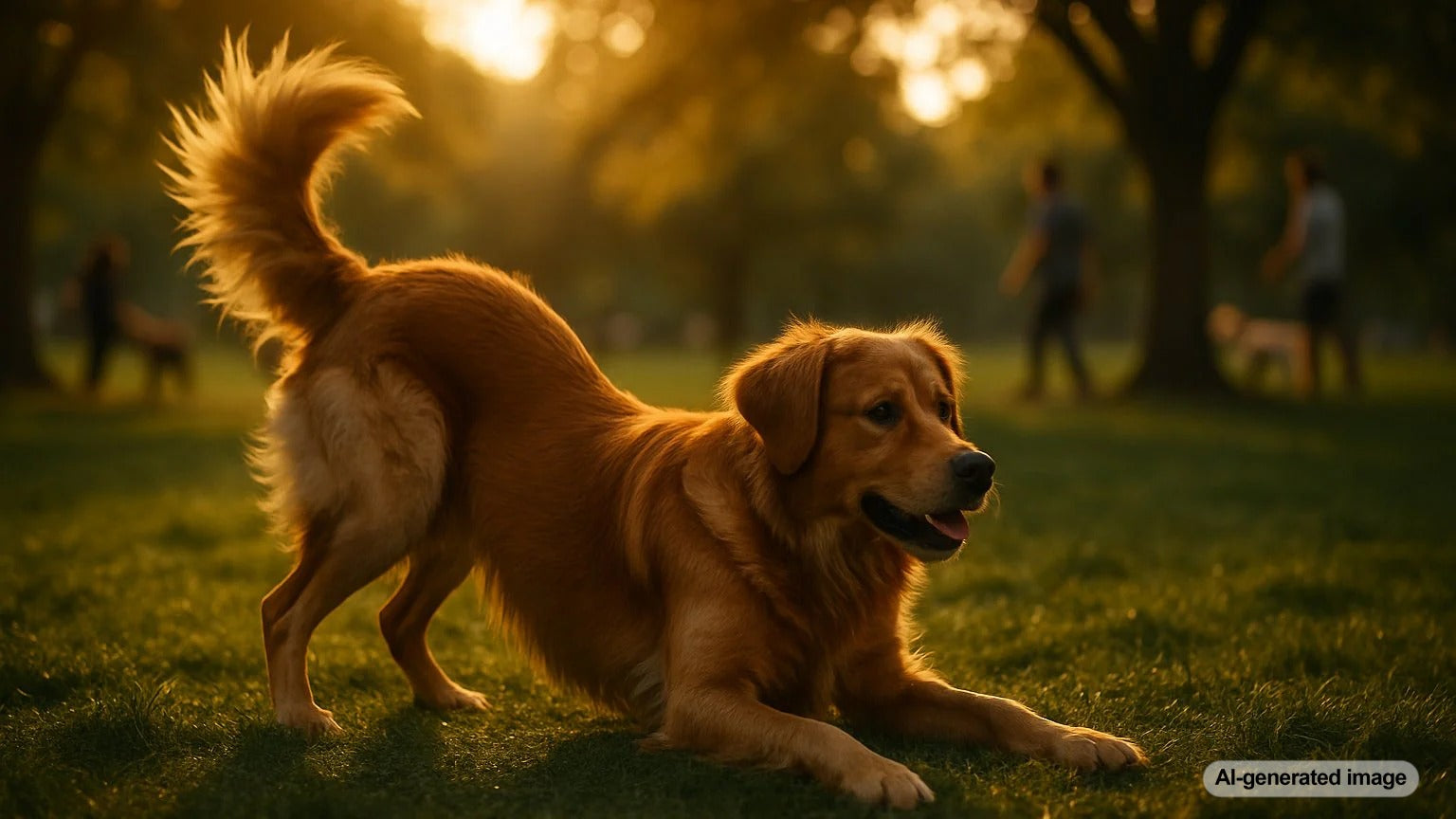
The play bow is that unmistakable moment when a dog lowers their chest and front legs toward the ground, while their rear remains elevated, tail wagging. It’s often paired with an open, relaxed mouth and animated eyes. This gesture communicates, “Hey—this is friendly, playful, let’s engage!” rather than something aggressive or serious.
This seemingly simple pose is actually a cornerstone of dog-to-dog and dog-to-human communication. Because rough play between dogs can mimic elements of aggression—chasing, nipping, wrestling—the play bow acts as a social disclaimer: “What follows is for fun, not threat.” It helps avoid misunderstandings and keeps play safe.
Different variations of the play bow and what they mean
Now we’re getting into the juicy part—the same general posture can carry different messages depending on context, intensity and body language. Let’s break down a few variations you might see with your dog.
1. The classic exuberant play bow
Here you’ll see a dog drop front legs quickly, rear up high, tail wagging fast, often bouncing or hopping into a game. This one means: “Let’s play now!” It’s energetic, intentional and clear. Especially common when you pick up a ball, leash or toy and the dog detects game time. Responding in kind enhances the interaction.
2. The gentle or subtle play bow
Some dogs offer a lower-key version—a front-leg-stretch without as much height in the hips, a slower wag, perhaps a glance toward you with soft eyes. This might indicate readiness to play, but maybe also a hint of caution or a “just checkin’ in” style invite. Recognising this gentler version is useful because it means your dog is open to interaction but maybe not full throttle.
3. Play bow used to reset or clarify play
In more intense games—especially dog-to-dog—you might see a dog bow mid-sequence or after a nudge that went a little too far. In that moment the bow functions like a little “Oops, it’s still fun,” signal. “Hey, we’re still okay, this is just play.” This helps keep things friendly and prevents a shift into rougher or unwanted behavior.
4. Bowing that looks like a stretch or other signal
Not every bow-like posture is a play bow. For example, a deep stretch with front paws far ahead and hips low but rear not elevated much might signal a physical “wake-up” stretch or even mild discomfort, depending on context. It’s important to read the whole body-language picture: tail position, ears, facial expression and situation. If the dog seems stiff, closed off, avoiding contact, or paired with other signs of stress—then it might not be an invitation to play.
How you can respond (and why products matter) ??
When your dog delivers a clear play bow, you’ve got a golden cue. It’s a perfect moment to say yes—engage their mind, body and spirit. Here’s how you can lean into it, especially using high-quality enrichment gear from Woof:
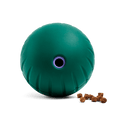
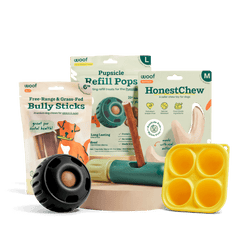
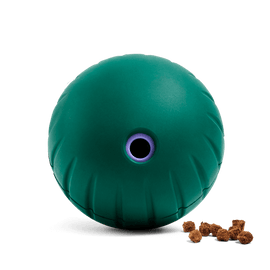
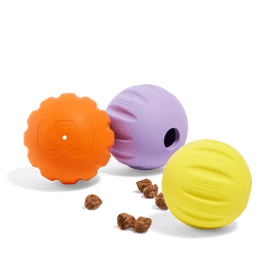
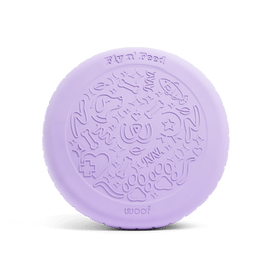
If your dog strikes that classic bow after you grab the launcher or toss a ball, reach for the Woof Flyball. This durable fetch ball doubles as a treat-puzzle, so you honour the play cue with both physical activity and mental enrichment. You’re giving them the kind of fun their bow was signalling.
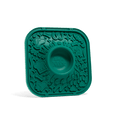
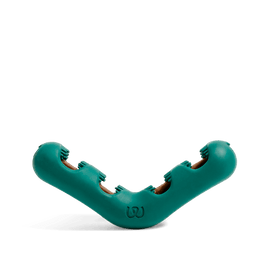
On a calmer day when the play bow is more subtle and your pup seems ready for gentle engagement, the Walkabout puzzle ball is a fantastic fit — it turns mealtime into wobble-and-play, meeting that invitation to interact in a relaxed way.
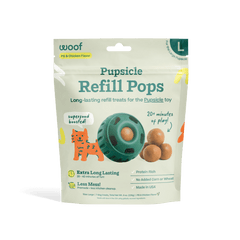
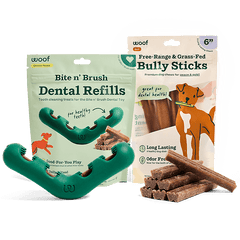
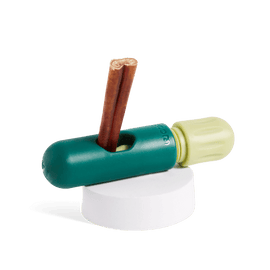
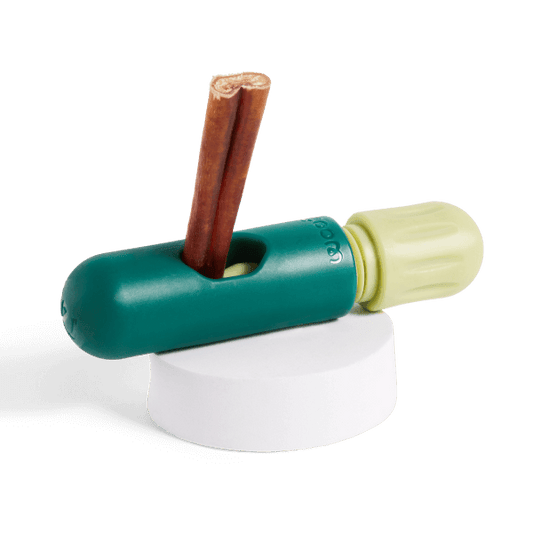
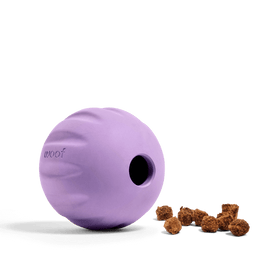
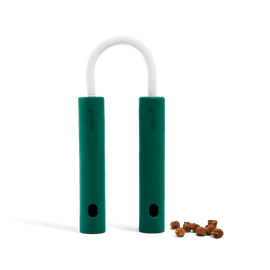
When you want to add treats and reward that play-intent, reach for the Woof Puzzle Treats. These air-dried chicken treats are sized to fit into puzzle toys and reward the behaviour your dog initiated with the bow.
Why recognising the bow matters for training and bonding
Responding to your dog’s play bow strengthens trust and communication. They’re effectively saying: “I’m interested—are you?” When you honour that and engage, you say back: “Yes! I see you. Let’s do this.” That builds your relationship.
Also, playful engagement pays dividends for behaviour. Research suggests dogs who play regularly with humans are more attentive, more resilient in training situations, and less prone to anxiety or boredom. A well-timed “yes, we’re playing” moment rooted in their own signal can be very powerful.
When something else might be going on
Although play bows are overwhelmingly positive, you should still watch context. A bow paired with tucked tail, pinned ears, closed mouth or reluctance to engage might signal discomfort, fear or overstimulation. Frequent, deep bowing that looks more like a “prayer stretch” especially after meals could hint at tummy or joint discomfort. In short: your dog might be saying “Hey, I’d like to play” — but their body might also be saying “something’s off.” If you’re unsure, it’s wise to pause and assess.
Final thoughts: tune into the cue, and the fun begins
That moment when your dog lowers their front end, pops their rear high and gives you that unmistakable “Let’s go!” posture is more than cute — it’s communication. It’s an invitation, a trust gesture, a sparkle of joy in action.
By noticing the variations, honouring the signal and engaging with intention (and the right gear from Woof!), you transform that pose into a moment of shared connection. So next time Fido drops into the bow—pause, smile, pick up a ball, treat or puzzle toy—and say yes. Because your dog just asked, and you’re perfectly tuned in.
Ready to answer their invitation?


