






































































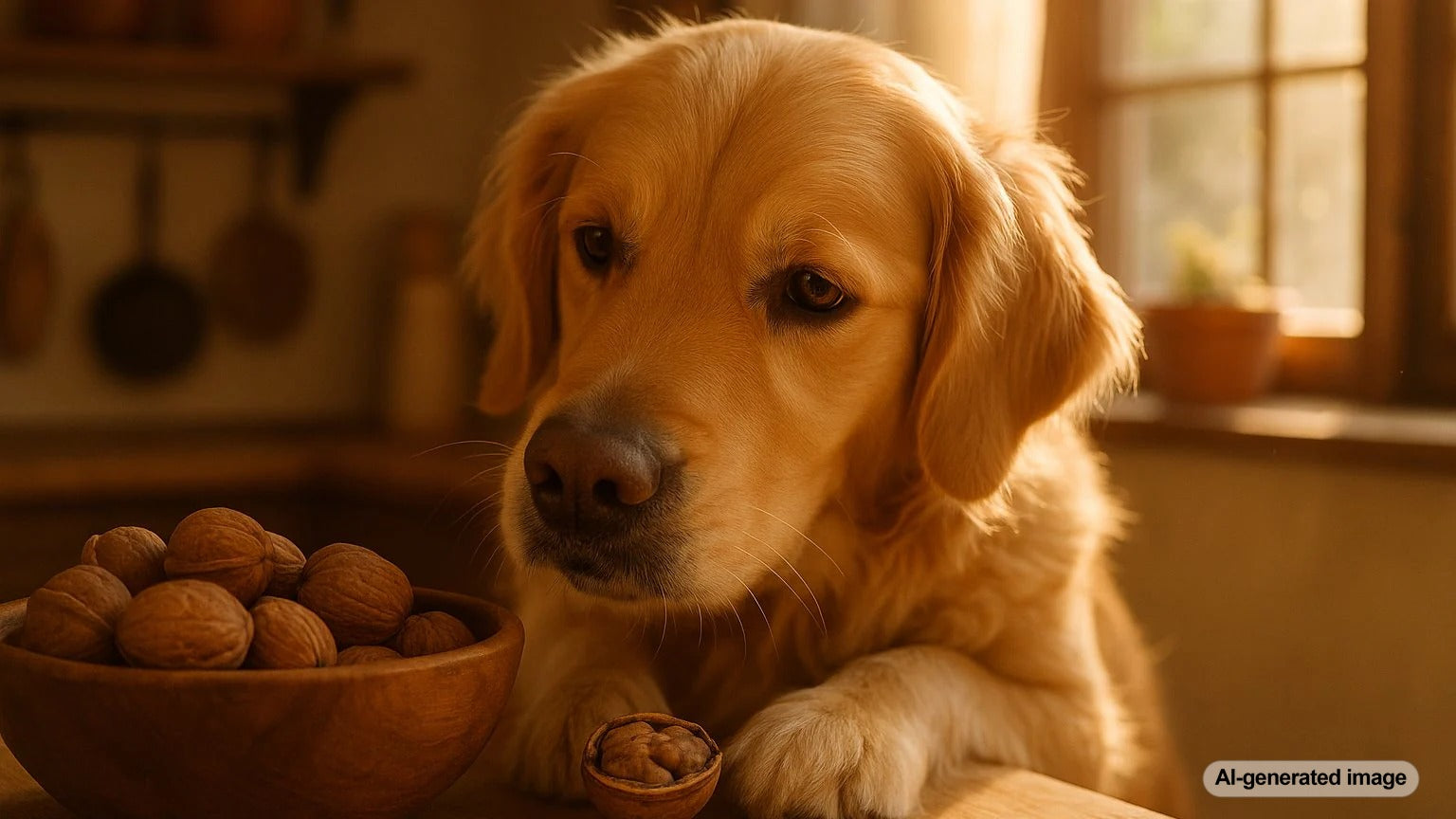
If you’ve ever shared a bowl of mixed nuts while your pup gives you those irresistibly hopeful eyes, you might wonder: can dogs eat walnuts? It seems harmless enough—but for our four-legged friends, walnuts bring more risk than reward. Let’s dig into what’s really going on when a walnut finds its way into your dog’s mouth and how your trusty pup-friendly gear like our Flyball can help keep their attention where it belongs: on safe play instead of sneaky snacks.
First up: the short answer. While a single piece of a common English walnut likely won’t turn into an emergency, walnuts are definitely not the ideal dog treat and can be far riskier than they look. According to pet-health experts, you’ll want to err on the side of caution and keep walnuts out of paw’s reach.
What’s the deal with walnuts and dogs?
Walnuts come in different varieties (English walnuts you see in stores, and the less common but much more dangerous black walnuts found outside). The problem for dogs is a few-fold: high fat content (which can trigger digestive upset or even panÂcreatitis), choking or intestinal blockage risks from whole nuts or shells, and in some cases toxins or harmful molds.
For example, black walnuts carry a toxin called juglone, and moldy walnuts (of any variety) can harbour mycotoxins that lead to serious neurologic symptoms in dogs. So even though walnuts might look like a harmless snack, the hidden dangers make them a poor choice for your pup.
What could happen if my dog eats a walnut?
Let’s walk through the possible outcomes so you know what to watch for. If your dog sneaks one small piece of shelled English walnut (unsalted) and then moves on to play happily, they’re likely going to be fine. Experts say the immediate risk is low in that scenario. But that doesn’t mean no risk. Here are the trouble-spots:
- Digestive upset: vomiting, diarrhea, lethargy—especially if the nut was lot of fat, salted, or in big quantity.
- Pancreatitis: because walnuts have fat and oil, that can trigger inflammation in the pancreas in susceptible dogs.
- Choking / intestinal blockage: whole nuts or shells can get stuck or cause damage in the digestive tract.
- Toxic reaction: if the walnut is a black walnut, moldy, or from outdoors near trees—then symptoms like tremors, seizures, collapse are possible.
If any of those severe symptoms surface—especially tremors, seizures, or the dog looks really unwell—call your vet immediately. Better safe than sorry.
So… can dogs eat walnuts?
The simplest and most responsible answer is: no—dogs should not eat walnuts. While one tiny piece of a standard unsalted English walnut probably won’t lead to disaster, the potential risks mean it’s just not worth it and safer alternatives exist.
If you do find that your dog has eaten a walnut, check what kind it was, how many, whether there was shell or salt, and watch for symptoms described above.
How you can protect your pup and redirect towards safe treats and enrichment
As a dog-loving pro, you want your pup to have the happiest, healthiest life—and that means steering them toward safe snacking and smart play. Here are a few actionable steps:
1) Make sure all nuts (especially walnuts) are stored out of reach and clean up dropped pieces immediately. Think: treat station for your pup, not nut station for you. 2) If you drop one, don’t assume it’s no big deal—pick it up, and if you know your dog ate it, monitor for symptoms. 3) Instead of sharing your snack bowl, offer dog-safe enrichment like our Walkabout slow-feeder puzzle ball to engage your pup mentally and physically. 4) Resp-resent treat time as a moment of connection, not just grazing. Use our Woof Puzzle Treats inside puzzle toys so your dog works for their snack and you feel good about it. 5) If your dog is a power chewer and loves durability, our ultra-durable chews like the HonestChew chewbone offer safe gnaw options and minimize risky snack-stealing behaviour.
Key take-aways for conscientious dog owners
When the question is “Can dogs eat walnuts?” the bottom line is this: avoid walnuts for your dog. The type of nut, the possibility of mold, the fat content, and the choking risk all add up to too many “what-ifs.” Instead give your pup enrichment built for dogs, safe treats, and your full attention. A well-engaged dog has less time and inclination to swipe your snack bowl or pluck a walnut off the floor.
Your dog is counting on you to be vigilant, playful, and inventive. So keep the walnuts on your snack table and the toys in their paws—like the Flyball, Walkabout, Puzzle Treats or HonestChew—and you’ll both win: you with your nuts (when you choose them), and your pup with smart play and safe treats designed just for them.
We’re here to support you every step of the way in keeping your pup safe, joyful, and enriched.


